U.S. Orders: Processing & Shipping as Normal.Read More
Logo
79 people bought recently
Zoom

Tofatas Ointment

Generic
Be the first to write a review
Active ingredient:Tofacitinib as Ointment 2% w/w
Tofatas Ointment is a soothing topical solution designed to provide relief from skin irritations and promote healing. Its gentle formula helps alleviate discomfort from minor cuts, burns, and rashes, making it an essential addition to your skincare routine. Ideal for sensitive skin, Tofatas Ointment ensures quick absorption and long-lasting protection, enhancing your skin's natural recovery process.

USD $58.74

1

Share

Active ingredient
Tofacitinib as Ointment 2% w/w
Pack Size
Ointment
Prescription
Required (Rx)
Dispensing Country
IndiaIndia

What is Tofatas Ointment?

Tofatas Ointment is a prescription topical formulation designed for the relief of inflammatory skin conditions. It is formulated with a novel non‑steroidal anti‑inflammatory agent that helps reduce redness, swelling, and pain associated with conditions such as eczema, contact dermatitis, and psoriasis.

Reference: U.S. FDA (general guidelines on topical NSAIDs); WHO Guidelines on Dermatologic Therapeutics; PubMed reviews on topical anti‑inflammatory agents


What are the other popular names for Tofatas Ointment?

Tofatas Ointment is marketed under the brand name Tofatas. In some regions, similar formulations might be known by names such as Dermalofex or Inflamrel (note: naming varies regionally and may be subject to local regulatory approvals).

Reference: MedlinePlus and regional drug compendia for topical anti‑inflammatory agents


What is the drug classification of Tofatas Ointment?

Tofatas Ointment is classified as a topical non‑steroidal anti‑inflammatory agent (NSAID). It is used in dermatology as an anti‑inflammatory and analgesic treatment for various skin conditions.

Reference: U.S. FDA; WHO; PubMed literature on topical NSAIDs


What is the mode of action of Tofatas Ointment?

Tofatas Ointment works by inhibiting inflammatory mediators at the site of application. Its active ingredient blocks key enzymes—such as cyclooxygenase (COX) and lipoxygenase—that are involved in the synthesis of prostaglandins and leukotrienes. This inhibition leads to:

  • Reduced Inflammation: Lower production of pro‑inflammatory cytokines and mediators decreases redness and swelling.
  • Pain Relief: By diminishing the local inflammatory response, the ointment helps alleviate pain and discomfort.
  • Improved Skin Condition: The anti‑inflammatory effect supports the healing process in irritated or inflamed skin.

Reference: PubMed (e.g., studies on topical NSAIDs in dermatologic conditions); U.S. FDA


What are the primary uses of Tofatas Ointment?

Tofatas Ointment is indicated for the topical treatment of:

  • Eczema and Atopic Dermatitis: Reducing inflammation and itching.
  • Contact Dermatitis: Alleviating redness and irritation due to allergen or irritant exposure.
  • Psoriasis (Mild to Moderate): Helping control localized plaque inflammation.
  • Other Inflammatory Skin Conditions: Where reduction in inflammatory mediator release is beneficial.

Reference: WHO Guidelines on Dermatologic Therapies; U.S. FDA general recommendations for topical NSAIDs


What is the recommended dosage and administration for Tofatas Ointment?

  • Dosage: Apply a thin layer of Tofatas Ointment to the affected area. The typical recommendation is to apply it twice daily (morning and evening) or as directed by a healthcare provider.
  • Administration:
    • Clean and dry the affected area before application.
    • Gently massage the ointment into the skin until it is fully absorbed.
    • Do not use occlusive dressings unless advised by a doctor.

Reference: Standard dosing guidelines for topical anti‑inflammatory agents (U.S. FDA; WHO)


What prescribing information is important for Tofatas Ointment?

  • Indications:
    • Tofatas Ointment is prescribed for the management of inflammatory skin conditions such as eczema, contact dermatitis, and psoriasis.
  • Contraindications:
    • Do not use in patients with known hypersensitivity to the active ingredient or any excipients in the formulation.
    • Avoid use on severely broken, infected, or ulcerated skin unless directed by a healthcare provider.
  • Monitoring:
    • Regular follow‑up with a dermatologist is advised to assess treatment response and monitor for adverse effects.

Reference: U.S. FDA; WHO; ClinicalTrials.gov (data from studies on topical NSAIDs)


What safety information and side effects are associated with Tofatas Ointment?

  • Common Side Effects:
    • Mild burning, stinging, or redness at the application site
    • Itching or dryness of the skin
  • Serious Side Effects (Rare):
    • Allergic reactions (e.g., rash, swelling, or severe irritation)
    • Contact dermatitis or worsening of skin irritation
  • Safety Information:
    • Use as directed and avoid excessive application to minimize the risk of systemic absorption and side effects.
    • If irritation persists or worsens, discontinue use and consult a healthcare provider.

Reference: U.S. FDA; PubMed; WHO guidelines on topical anti‑inflammatory use


What warnings and cautions are associated with Tofatas Ointment?

  • Warnings:
    • Do not apply on broken or severely inflamed skin unless recommended by a doctor.
    • Avoid using with occlusive dressings unless advised, as this may increase absorption and risk of side effects.
  • Cautions:
    • Use with caution in pediatric patients; consult a pediatric dermatologist for appropriate dosing.
    • Pregnant or breastfeeding women should consult their healthcare provider before use due to limited safety data.
  • Drug Interactions:
    • While systemic interactions are minimal due to low absorption, caution is advised when used concurrently with other topical medications that may cause irritation or have overlapping adverse effect profiles.

Reference: U.S. FDA; MedlinePlus; PubMed literature on topical NSAIDs and skin treatments


Frequently Asked Questions (FAQs)

Q: How should Tofatas Ointment be applied?
A: Clean and dry the affected area thoroughly, then apply a thin layer of Tofatas Ointment twice daily or as prescribed. Do not cover with an occlusive dressing unless directed by your doctor.

Q: Can Tofatas Ointment be used on children?
A: Use in children should be guided by a pediatric dermatologist. The safety profile is generally favorable for topical anti‑inflammatory agents, but dosing and frequency may need adjustment.

Q: How quickly can I expect to see improvement?
A: Many patients notice improvement in inflammation and discomfort within a few days to a week of consistent use. However, full benefits may require continued application as directed by your healthcare provider.

Q: Are there any special storage instructions for Tofatas Ointment?
A: Store the ointment at room temperature, away from direct sunlight and moisture. Keep it out of reach of children.

Q: What should I do if I experience skin irritation?
A: If irritation occurs or worsens, discontinue use and consult your healthcare provider immediately.

Q: Can Tofatas Ointment be used with other topical medications?
A: Caution is advised when combining with other topical agents. It is best to consult your healthcare provider to avoid overlapping side effects or excessive skin irritation.

Reference: U.S. FDA; MedlinePlus; WHO guidelines


Where can I find additional clinical evidence and detailed information about Tofatas Ointment?

For further detailed clinical data, dosing guidelines, and safety monitoring information, please refer to:

  • U.S. Food and Drug Administration (FDA) Website: FDA.gov
  • World Health Organization (WHO): Guidelines on topical dermatologic therapies
  • ClinicalTrials.gov: Search for studies evaluating topical non‑steroidal anti‑inflammatory agents
  • PubMed: For peer‑reviewed research articles on similar topical formulations and their efficacy in inflammatory skin conditions

Reference: U.S. FDA; WHO; PubMed


Final Thoughts

Tofatas Ointment is a topical non‑steroidal anti‑inflammatory formulation designed to relieve symptoms associated with inflammatory skin conditions such as eczema, contact dermatitis, and psoriasis. By inhibiting key inflammatory mediators, it helps reduce redness, swelling, and pain, thereby promoting skin healing and comfort. Due to its generally favorable safety profile, it serves as an effective treatment option when used as directed. However, patients should adhere strictly to dosing instructions and be mindful of potential local skin reactions. Always consult a healthcare provider to determine if Tofatas Ointment is appropriate for your condition.

Disclaimer: This guide is intended for educational purposes only and should not replace professional medical advice. Always consult with your healthcare provider before initiating or modifying any medication regimen.

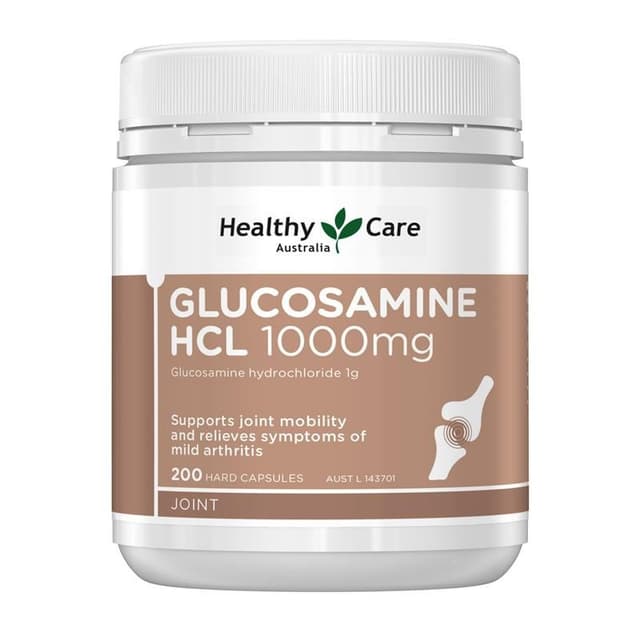
BrandHealthy Care Glucosamine HCL 1000mg 200 Capsules

Healthy Care Glucosamine HCL 1000mg 200 Capsules

Active Ingredient: Contains Crustacean products and Sulfites. Allergen Contains: Crustacean| Sulphites

Unit: 1000mg | Pack: Capsule

USD $25.49

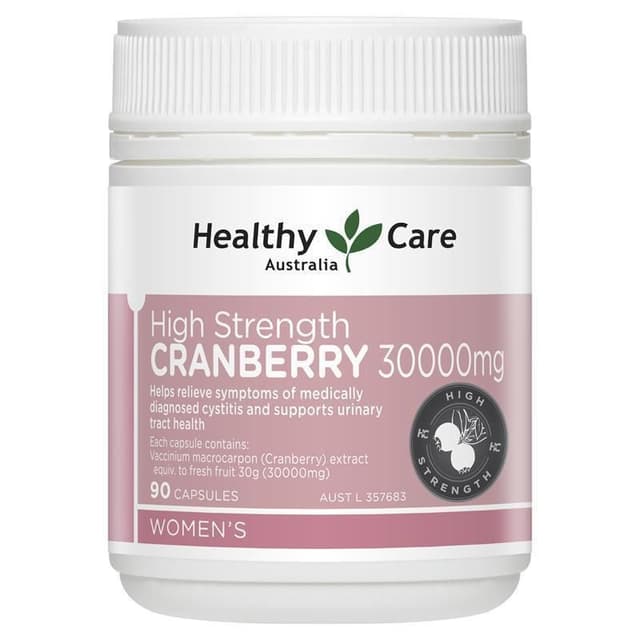
BrandHealthy Care High Strength Cranberry 30000mg 90 Capsules

Healthy Care High Strength Cranberry 30000mg 90 Capsules

Active Ingredient: Vaccinium macrocarpon (Cranberry) extract equiv. to fresh fruit 30g (30000mg)

Unit: 30000mg | Pack: Capsule

USD $19.49

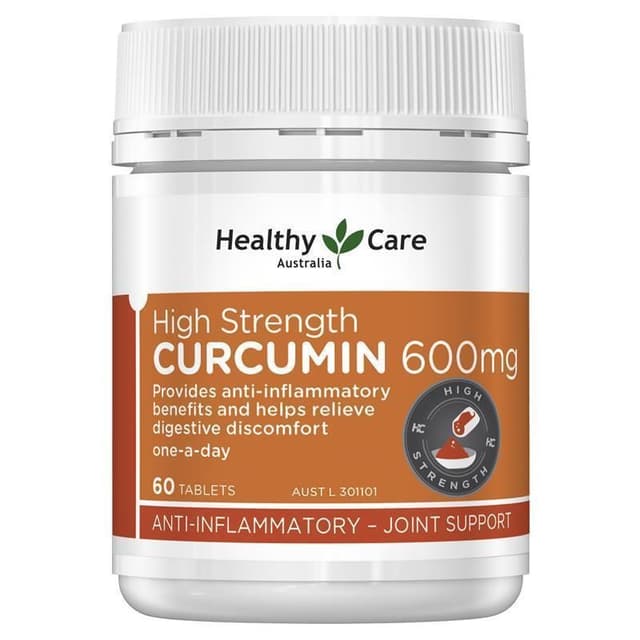
BrandHealthy Care High Strength Curcumin 600mg 60 Tablets

Healthy Care High Strength Curcumin 600mg 60 Tablets

Active Ingredient: Curcuma longa extract 631.6mg equiv. to dry rhiz 15.8g (15800mg), Containing Curcuminoids 600mg, Piper nigrum extract equiv. to dry fruit 140mg, Containing piperine 5mgCurcuma longa extract 631.6mg equiv. to dry rhiz 15.8g (15800mg), Containing Curcuminoi

Unit: 600mg | Pack: Tablet

USD $29.95

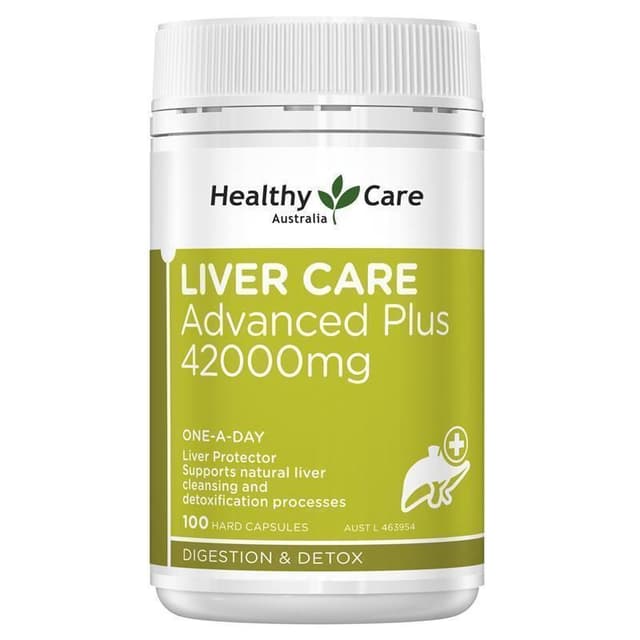
BrandHealthy Care Liver Care Advanced Plus 42000mg 100 Capsules

Healthy Care Liver Care Advanced Plus 42000mg 100 Capsules

Active Ingredient: Silybum marianum (Milk thistle) dry fruit ext. 600 mg equiv. to dry fruit 42g (min) Stand. to contain Silybin 480mg. Cynara scolymus (Globe artichoke) dry leaf ext. 100mg equiv. to dry leaf 1.5g. Taraxacum officinale (Dandelion) dry

Unit: 42000mg | Pack: Capsule

USD $34.49

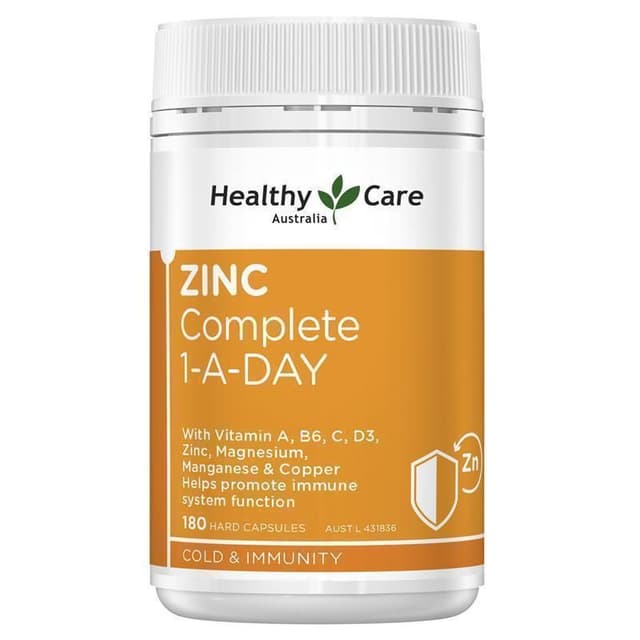
BrandHealthy Care Zinc Complete 1-A-Day 180 Capsules

Healthy Care Zinc Complete 1-A-Day 180 Capsules

Active Ingredient: Zinc amino acid chelate (Zinc 30mg) 150mg Sodium ascorbate (Ascorbic acid (Vitamin C) 50mg) 56.6mg Retinol acetate (Vitamin A 500micrograms retinol equivalents) 573.5micrograms Colecalciferol (Vitamin D3) 10micrograms Pyridoxine hyd

Unit: 180 capsules | Pack: Capsule

USD $18.49

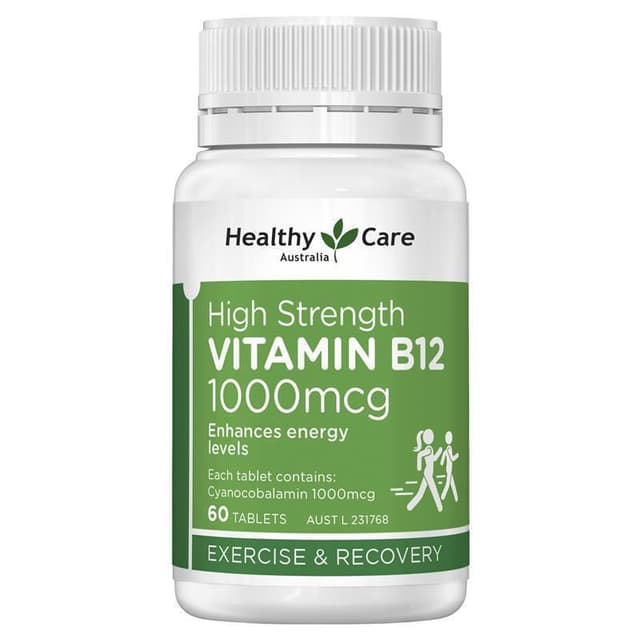
BrandHealthy Care B12 1000mcg 60 Tablets

Healthy Care B12 1000mcg 60 Tablets

Active Ingredient: Cyanocobalamin (Vitamin B12) 1000 micrograms

Unit: 60 tablets | Pack: Tablet

USD $15.49

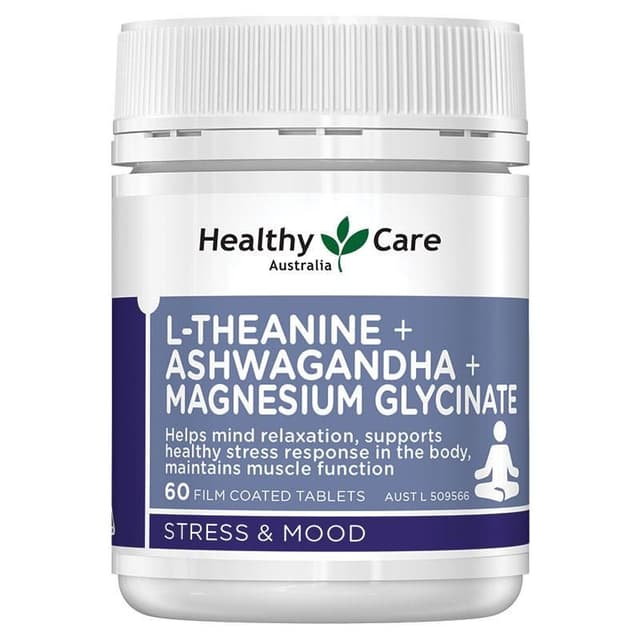
BrandHealthy Care L-Theanine + Ashwagandha + Magnesium Glycinate 60 Tablets

Healthy Care L-Theanine + Ashwagandha + Magnesium Glycinate 60 Tablets

Active Ingredient: Theanine (AlphaWave®? L-Theanine) 200mg Withania somnifera (Ashwagandha) dry root extract 180mg equiv. to dry root 8.1g Magnesium Glycinate 714.29mg equiv. to Magnesium 100mg

Unit: 60 tablets | Pack: Tablet

USD $35.49

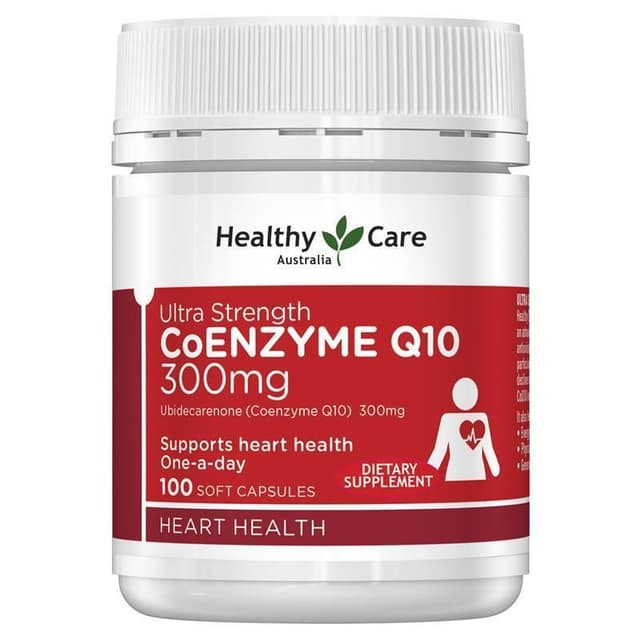
BrandHealthy Care CoQ10 300mg Ultra Strength 100 Capsules

Healthy Care CoQ10 300mg Ultra Strength 100 Capsules

Active Ingredient: Ultra Strength Coenzyme Q10 300mg Ubidecarenone (Coenzyme Q10) 300mg Supports heart health

Unit: 300mg | Pack: Capsule

USD $48.49

Health Guides

Health Guides Related to Tofatas Ointment

ADHD Medication Monitoring: Appetite, Sleep, Blood Pressure

Nov 02, 2026

ADHD Medication Monitoring: Appetite, Sleep, Blood Pressure

ADHD medication monitoring tracks blood pressure, heart rate, body mass, appetite and sleep before treatment, during dose adjustments and throughout long-term care. For adults, NICE recommends pulse and blood pressure checks before and after each dose change, then every six months. The aim is to pre

Baricitinib Safety: Risks, Lab Tests, and When to Call

Nov 01, 2026

Baricitinib Safety: Risks, Lab Tests, and When to Call

Baricitinib safety depends on infection screening, blood tests, and prompt evaluation of new symptoms. The main concerns are serious infections, shingles, blood clots, cancer, and cardiovascular events. Blood counts, liver and kidney function, and cholesterol help guide treatment. Historical rheumat

BPH Medications: Alpha Blockers vs. 5-ARIs

Oct 27, 2026

BPH Medications: Alpha Blockers vs. 5-ARIs

Benign prostatic hyperplasia (BPH) is a noncancerous enlarged prostate. Alpha blockers ease urinary symptoms by relaxing muscle around the outlet, often within days to weeks. 5-alpha-reductase inhibitors (5-ARIs) shrink the prostate gradually and can reduce the risks of urinary retention and surgery

Oral Cancer Medication Safety: Safe Handling at Home

Oct 25, 2026

Oral Cancer Medication Safety: Safe Handling at Home

Oral cancer medication safety depends on following the prescribed schedule, protecting household members from exposure, and reporting symptoms promptly. Tablets should stay intact, caregivers should use disposable gloves, and food or medicine changes need an oncology pharmacist's review. At-home o

COPD Medications: Long-Acting Inhalers Explained

Oct 13, 2026

COPD Medications: Long-Acting Inhalers Explained

A COPD diagnosis often leads to several prescriptions, each with a different job. A rescue inhaler eases sudden breathing symptoms. Long-acting bronchodilators are taken daily to control breathlessness and reduce exacerbations. Inhaled corticosteroids may be prescribed for people with recurrent fla

Medications Before Surgery: A Daily Prescription Guide

Oct 07, 2026

Medications Before Surgery: A Daily Prescription Guide

A medicine that prevents a stroke can also increase surgical bleeding, while stopping it can raise the risk of a clot. Preparing medications before surgery requires a written, individualized plan, not a blanket instruction to stop daily prescriptions. The short answer: Give the surgical team a comp

Grapefruit Drug Interactions: Medicines That Need a Check

Oct 04, 2026

Grapefruit Drug Interactions: Medicines That Need a Check

Grapefruit can change how much medication reaches the bloodstream, even when the prescribed dose stays the same. Grapefruit drug interactions affect certain cholesterol, blood pressure, transplant, cancer, and allergy medicines, but the risk depends on the exact medicine. For some drugs, exposure ri

A Safe Medication Schedule for Multiple Daily Doses

Sep 21, 2026

A Safe Medication Schedule for Multiple Daily Doses

Multiple daily doses turn an ordinary routine into a safety task. A missed tablet, an extra dose, or an over-the-counter product added without review can cause harm, especially for people managing heart disease, diabetes, transplants, epilepsy, or cancer treatment with prescription medications. A sa

How to Read a Prescription Label Before Taking Your First Dose

Sep 18, 2026

How to Read a Prescription Label Before Taking Your First Dose

The first dose is when a prescription label deserves careful attention. A first-time user should verify the patient, medication identity, strength, dosage form, route, timing, warnings, and storage directions before taking it. Before taking prescription medicine, use the medication label to confirm

Medication Reconciliation Checklist After Hospital Discharge

Sep 17, 2026

Medication Reconciliation Checklist After Hospital Discharge

A hospital stay can leave patients with two conflicting medication lists, unfamiliar pills, and little time to sort out the differences. That confusion can threaten patient safety, especially for people taking insulin, anticoagulants, transplant medicines, oral cancer therapy, or several long-term p