U.S. Orders: Processing & Shipping as Normal.Read More
Logo
195 people bought recently
Zoom

Crestor

Generic
Be the first to write a review
Active ingredient:Rosuvastatin Calcium
Crestor is a prescription medication designed to help lower cholesterol and triglyceride levels in the blood. By inhibiting the enzyme responsible for cholesterol production in the liver, Crestor effectively reduces the risk of heart disease and stroke. Ideal for individuals seeking to improve their cardiovascular health, Crestor is part of a comprehensive treatment plan that includes diet, exercise, and lifestyle changes.

USD $7.20

1

Compare Medicines With the Same Generic Name

Products matching the full generic name: Rosuvastatin Calcium

Share

Active ingredient
Rosuvastatin Calcium
Pack Qty
30
Pack Size
Other
Prescription
Required (Rx)
Dispensing Country
IndiaIndia

Crestor (Rosuvastatin Calcium): Comprehensive Guide

What is Crestor?

Crestor is a prescription medication primarily used to lower cholesterol levels and reduce the risk of cardiovascular events. It contains the active ingredient rosuvastatin calcium, which belongs to the statin class of drugs, also known as HMG-CoA reductase inhibitors. These medications work by blocking the enzyme responsible for cholesterol synthesis in the liver, thereby lowering low-density lipoprotein (LDL) cholesterol and triglycerides while modestly increasing high-density lipoprotein (HDL) cholesterol.

Crestor is also known by its generic name, rosuvastatin, and is marketed under various brand names in some regions. It is widely prescribed to manage hyperlipidemia and to prevent cardiovascular events such as heart attacks and strokes.

References: FDA Crestor Prescribing Information, Drugs.com: Rosuvastatin


What are the benefits of Crestor for managing cholesterol and cardiovascular risk?

1. Effective Cholesterol Reduction

Clinical trials have consistently shown that Crestor significantly lowers LDL cholesterol levels, which is a major contributor to atherosclerotic plaque formation. Its efficacy in reducing total cholesterol and triglycerides has been demonstrated in studies such as the JUPITER trial.

2. Cardiovascular Risk Reduction

Crestor not only improves lipid profiles but also reduces the risk of cardiovascular events. Research indicates that patients taking Crestor experience a lower incidence of heart attacks, strokes, and revascularization procedures compared to those on placebo or other lipid-lowering therapies.

3. Plaque Stabilization

By lowering cholesterol levels, Crestor helps stabilize atherosclerotic plaques, reducing the risk of rupture and subsequent cardiovascular events.

4. Anti-Inflammatory Effects

Some studies suggest that Crestor may have anti-inflammatory properties, which further contribute to its cardiovascular protective effects.

Reference: JUPITER Trial – NEJM, PubMed: Statin Clinical Data


What are the side effects of Crestor?

Common Side Effects:

  • Muscle Pain or Weakness: Myalgia is a frequently reported side effect, although severe muscle injury is rare.
  • Headache: Some patients may experience headaches during treatment.
  • Abdominal Pain and Constipation: Gastrointestinal discomfort may occur, especially during initial dosing.
  • Nausea: Mild gastrointestinal upset is possible.

Rare but Serious Side Effects:

  • Rhabdomyolysis: A rare, serious condition involving muscle breakdown that can lead to kidney damage.
  • Liver Enzyme Elevations: Periodic monitoring of liver function is recommended.
  • New-Onset Diabetes: There is a slight risk of developing type 2 diabetes, particularly in predisposed individuals.
  • Allergic Reactions: Such as rash or swelling; immediate medical attention is necessary if these occur.

Reference: FDA Crestor Safety Information, Drugs.com: Rosuvastatin Side Effects


What should I know before taking Crestor?

1. Who Should Not Take Crestor?

  • Individuals with a known allergy to rosuvastatin or any component of the formulation.
  • Patients with active liver disease or unexplained persistent elevations in liver enzymes.
  • Pregnant or breastfeeding women should avoid Crestor, as it may harm the fetus or nursing infant.

2. Drug Interactions:

  • Other lipid-lowering agents: Caution is advised when Crestor is used in combination with other statins or fibrates due to an increased risk of muscle toxicity.
  • Certain antiviral medications: May interact with Crestor and increase the risk of side effects.
  • Always inform your healthcare provider about all medications and supplements you are taking.

3. Special Populations:

  • Elderly patients: May require a lower starting dose due to increased risk of side effects.
  • Patients with renal impairment: Dose adjustments may be necessary, as rosuvastatin is partly excreted by the kidneys.

Reference: American College of Cardiology (ACC) Guidelines, FDA


Why is Crestor prescribed?

Crestor is prescribed to:

  • Lower LDL Cholesterol: As part of a comprehensive treatment plan to reduce the risk of cardiovascular disease.
  • Reduce Cardiovascular Events: By stabilizing atherosclerotic plaques and decreasing inflammation.
  • Manage Hyperlipidemia: In patients who are unable to reach target cholesterol levels with lifestyle modifications alone.

Why choose Crestor over other statins?

  • Superior LDL Reduction: Clinical data suggest that Crestor is among the most potent statins available, offering significant reductions in LDL cholesterol.
  • Proven Cardiovascular Benefits: Large-scale studies like the JUPITER trial have demonstrated its efficacy in reducing cardiovascular events.
  • Well-Studied Safety Profile: When used as directed, Crestor has a favorable safety profile with well-documented benefits and manageable risks.
  • Once-Daily Dosing: Simplifies medication regimens, enhancing patient adherence.

How does Crestor work in the body?

Crestor works by inhibiting the HMG-CoA reductase enzyme, which is critical for cholesterol biosynthesis in the liver. This inhibition leads to:

  • Reduced Cholesterol Production: Lowering the amount of cholesterol synthesized by the liver.
  • Increased LDL Receptors: Promoting the clearance of LDL cholesterol from the bloodstream.
  • Improved Lipid Profile: Resulting in decreased total cholesterol and triglycerides, with a modest increase in HDL cholesterol.

These mechanisms contribute to both the reduction of cardiovascular risk and the stabilization of atherosclerotic plaques.


How should Crestor be taken (with or without food)?

  • Administration: Crestor is taken orally, usually once daily.
  • With or Without Food: It can be taken with or without food; however, taking it at the same time each day helps maintain consistent blood levels.
  • Dosage: The typical starting dose ranges from 5 mg to 20 mg per day, with adjustments made based on the patient's response and lipid levels. Always follow your healthcare provider's dosing instructions.

What are the available doses of Crestor?

Crestor is available in several strengths to tailor therapy to individual patient needs. Common dosages include:

Strength Recommended Use
5 mg For patients with lower cardiovascular risk or those requiring a gentle start.
10 mg A standard starting dose for many patients with moderate hyperlipidemia.
20 mg For patients who require more intensive LDL reduction.
40 mg Reserved for patients with severe hyperlipidemia or high cardiovascular risk.

Note: Dosage may vary based on individual patient profiles and regional prescribing guidelines.


Where can I buy Crestor online safely?

To ensure authenticity and safety, purchase Crestor from reputable online pharmacies such as Waldrugmart. Licensed pharmacies require a valid prescription, offer verified customer support, and provide secure shipping options.


Where can I learn more about Crestor?

For additional details on dosing, clinical data, and patient resources:

  1. FDA Crestor Prescribing Information – Comprehensive regulatory-approved guidelines.
  2. Drugs.com: Rosuvastatin – Detailed product information and patient reviews.
  3. American Heart Association (AHA) – Expert resources on cholesterol management and cardiovascular health.
  4. PubMed – For peer-reviewed research articles and clinical trial data.

Final Thoughts

Crestor (rosuvastatin) is a potent, Clinically Approved Pharmaceuticals statin that offers significant benefits in lowering LDL cholesterol, reducing cardiovascular risk, and improving overall lipid profiles. With robust clinical evidence supporting its efficacy and a well-established safety profile, Crestor is an excellent choice for patients with hyperlipidemia who require aggressive cholesterol management. As always, consult your healthcare provider to determine if Crestor is the right medication for your individual needs.

Disclaimer: This information is intended for educational purposes only and should not replace professional medical advice. Always consult your healthcare provider before starting or modifying any treatment regimen.

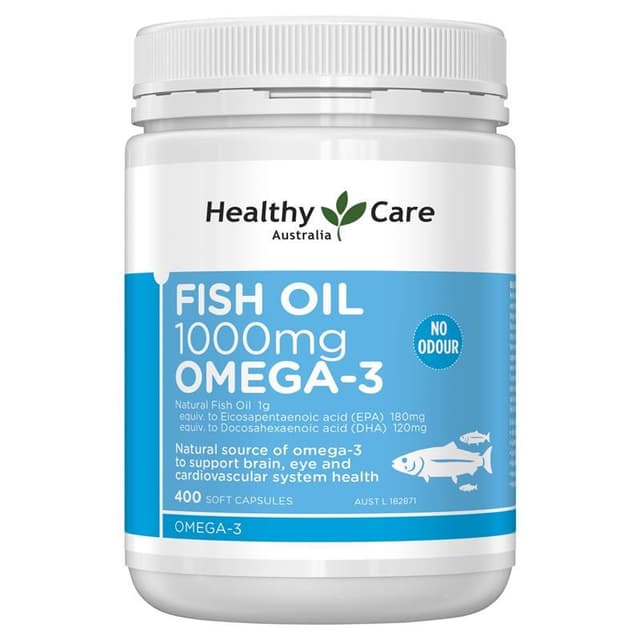
BrandHealthy Care Fish Oil 1000mg Omega 3 400 Capsules

Healthy Care Fish Oil 1000mg Omega 3 400 Capsules

Active Ingredient: Eicosapentaenoic acid (EPA) 180mg. Docosahexaenoic acid (DHA) 120mg. Contains: Contains Fish products, Sulfites Allergen Contains: Fish| Sulphites

Unit: 1000mg | Pack: Capsule

USD $39.95

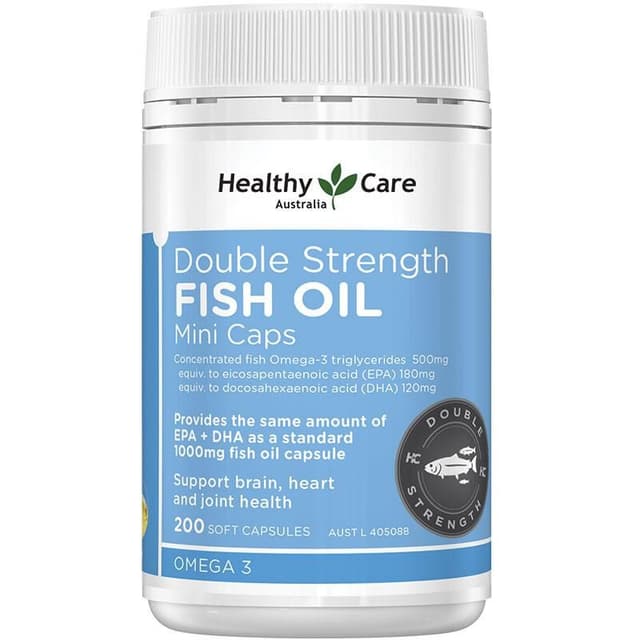
BrandHealthy Care Double Strength Fish Oil Mini 200 Capsules

Healthy Care Double Strength Fish Oil Mini 200 Capsules

Active Ingredient: Concentrated fish Omega-3 triglycerides 500mg equiv. to eicosapentaenoic acid (EPA) 180mg equiv. to docosahexaenoic acid (DHA) 120mg No added sugar, yeast, gluten, starch, wheat, corn, milk derivatives, preservatives, art

Unit: 200 capsules | Pack: Capsule

USD $29.49

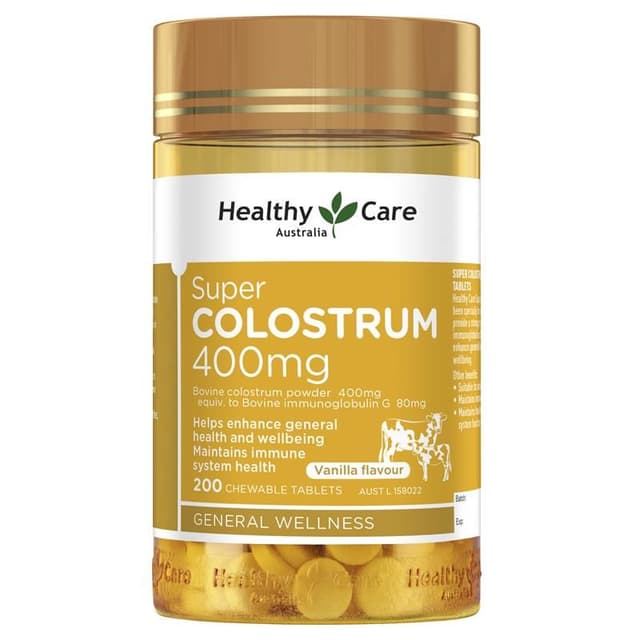
BrandHealthy Care Super Colostrum 400mg 200 Chewable Tablets

Healthy Care Super Colostrum 400mg 200 Chewable Tablets

Active Ingredient: Bovine colostrum powder 400mg Contains: Glucose, Lactose and Milk products. Allergen Contains: Lactose| Milk

Unit: 400mg | Pack: Tablet

USD $29.95

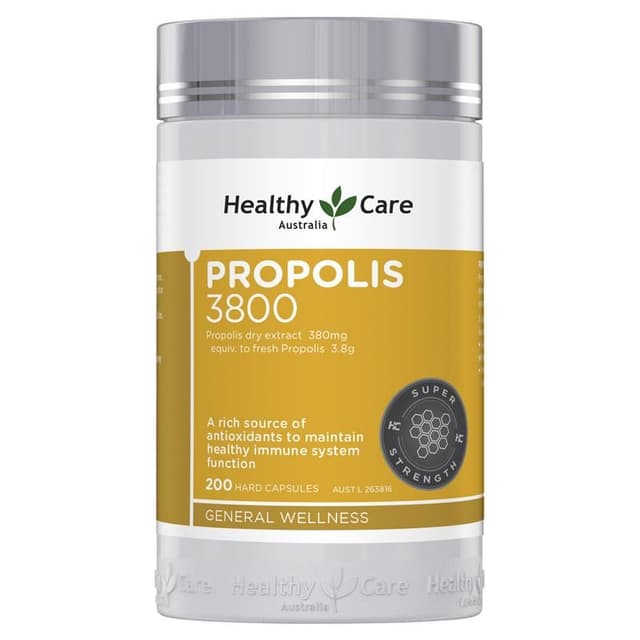
BrandHealthy Care Ultra Premium Propolis 3800mg 200 Capsules

Healthy Care Ultra Premium Propolis 3800mg 200 Capsules

Active Ingredient: Contains propolis. Allergen Free From: Added Sugar

Unit: 3800mg | Pack: Capsule

USD $35.49

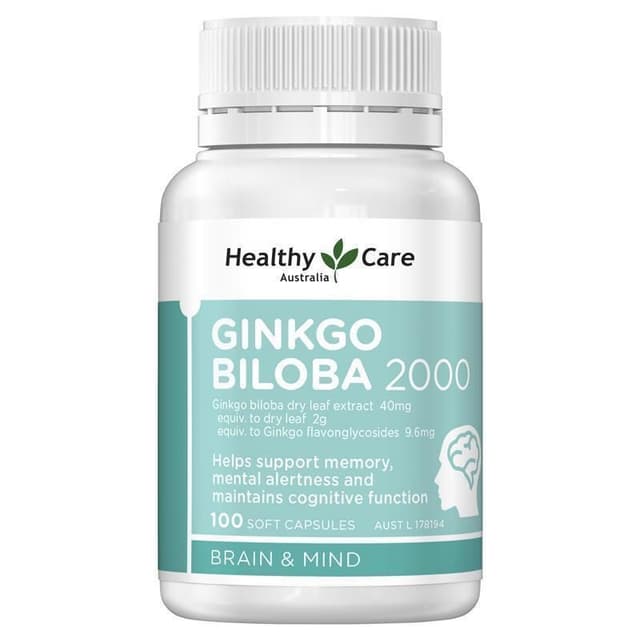
BrandHealthy Care Ginkgo Biloba 2000 100 Capsules

Healthy Care Ginkgo Biloba 2000 100 Capsules

Active Ingredient: Contains Soya bean products, Sulfites Allergen Contains: Sulphites| Soybean

Unit: 100 capsules | Pack: Capsule

USD $19.95

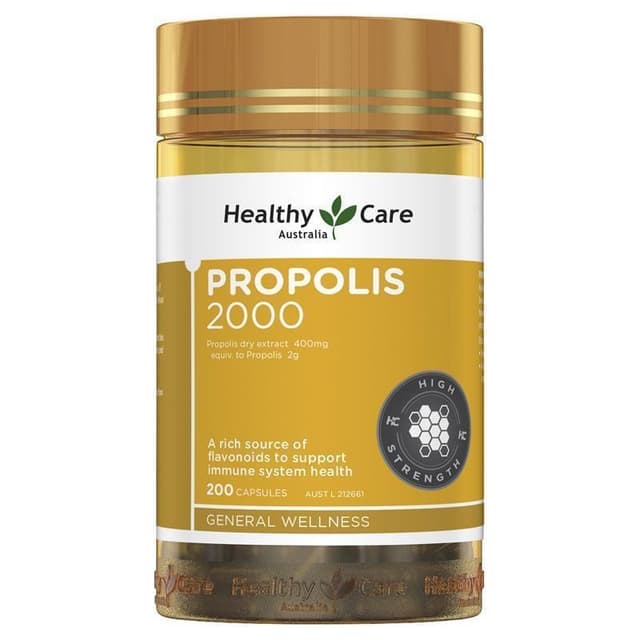
BrandHealthy Care Propolis 2000mg 200 Capsules

Healthy Care Propolis 2000mg 200 Capsules

Active Ingredient: Propolis and soya oil. Allergen Free From: Artificial Flavours| Sugar| Yeast

Unit: 2000mg | Pack: Capsule

USD $28.49

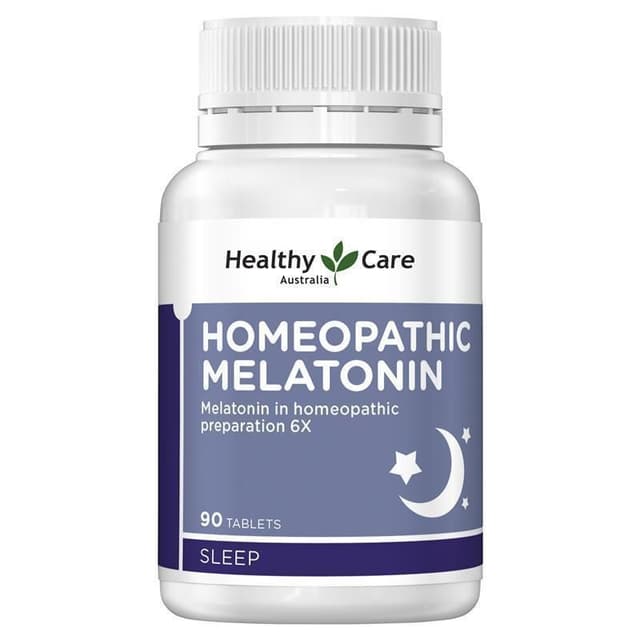
BrandHealthy Care Melatonin Homeopathic 90 Tablets

Healthy Care Melatonin Homeopathic 90 Tablets

Active Ingredient: Melatonin 6x

Unit: 90 tablets | Pack: Tablet

USD $18.49

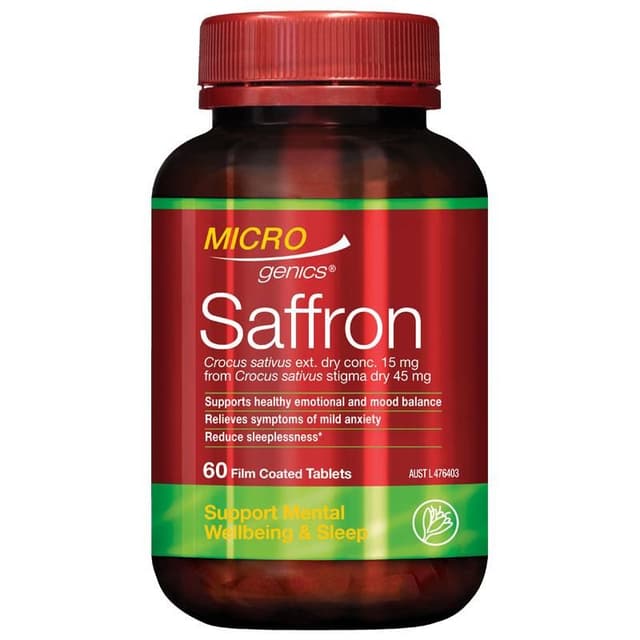
BrandMicrogenics Saffron 60 Tablets

Microgenics Saffron 60 Tablets

Active Ingredient: INGREDIENTS (each tablet) Crocus sativus stigma ext. dry conc. 15 mg from Crocus sativus stigma dry 45 mg

Unit: 60 tablets | Pack: Tablet

USD $49.95

More from Crestor

RxBrandCrestor

Crestor

Active Ingredient: Rosuvastatin Calcium

Unit: 30 | Pack: Other

USD $11.04

Health Guides

Health Guides Related to Crestor

Parkinson's disease medications: Classes and Monitoring

Oct 22, 2026

Parkinson's disease medications: Classes and Monitoring

Parkinson's disease medications improve movement by replacing dopamine, stimulating its receptors, or slowing its breakdown. Carbidopa-levodopa remains the most effective treatment for movement symptoms, while other medicines address milder symptoms, wearing-off, or involuntary movements. Treatment

What Does "Take as Needed" Mean on a Prescription?

Oct 18, 2026

What Does "Take as Needed" Mean on a Prescription?

On a prescription, "take as needed" means taking prescription medication only when the specified symptom or situation occurs. Take it as directed, following the prescribed dose, minimum interval, and maximum daily limit. The abbreviation PRN comes from the Latin pro re nata, meaning "as needed." Und
Heart Failure Medications: Classes and Safety Checks

Oct 17, 2026

Heart Failure Medications: Classes and Safety Checks

Heart failure medications reduce strain on the heart, control fluid buildup, and lower the risk of hospitalization. Several drug classes also improve survival in people with reduced ejection fraction, although medicines don't cure heart failure. Treatment usually combines medicines because each addr
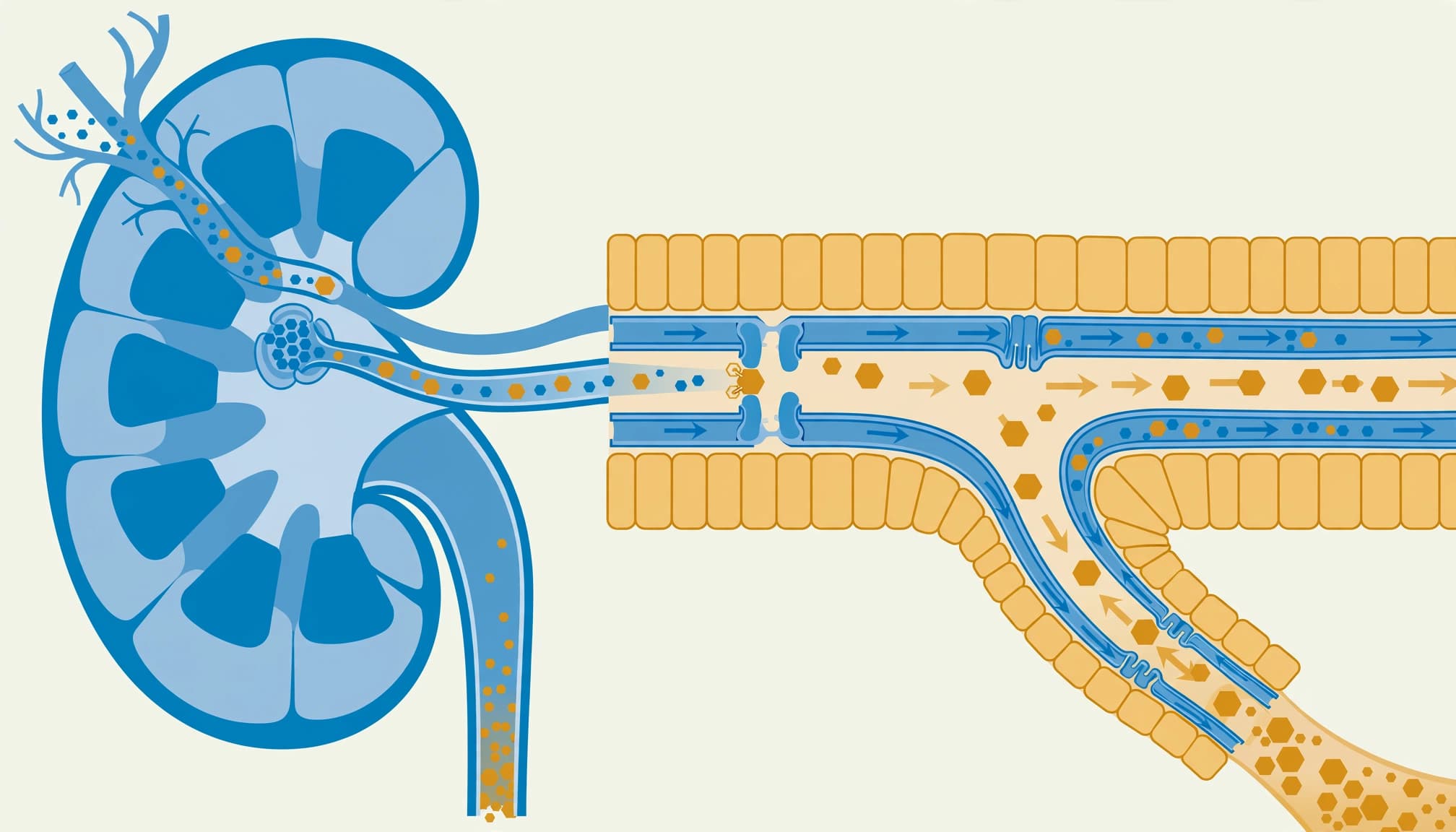
SGLT2 Inhibitors for Type 2 Diabetes: Uses and Safety

Oct 16, 2026

SGLT2 Inhibitors for Type 2 Diabetes: Uses and Safety

SGLT2 inhibitors lower blood glucose by helping the kidneys remove glucose through urine. Selected medicines also reduce heart-failure events and slow chronic kidney disease progression, so prescribing decisions extend beyond blood sugar alone. The short answer: SGLT2 inhibitors can benefit people

Potassium Salt Substitutes and Blood Pressure Medicines

Oct 15, 2026

Potassium Salt Substitutes and Blood Pressure Medicines

Potassium salt substitutes can lower sodium intake and blood pressure, but some hypertension medicines make the extra potassium unsafe. The main concern is hyperkalemia, an elevated blood potassium level that can disturb the heart's rhythm. Safety depends on kidney function, the complete medication

COPD Medications: Long-Acting Inhalers Explained

Oct 13, 2026

COPD Medications: Long-Acting Inhalers Explained

A COPD diagnosis often leads to several prescriptions, each with a different job. A rescue inhaler eases sudden breathing symptoms. Long-acting bronchodilators are taken daily to control breathlessness and reduce exacerbations. Inhaled corticosteroids may be prescribed for people with recurrent fla

Medicines While Breastfeeding: Before the Next Dose

Oct 11, 2026

Medicines While Breastfeeding: Before the Next Dose

Most medicines while breastfeeding are compatible with nursing, but safety depends on the active ingredient, dose, route and formulation, and the infant's age and health. Stopping prescribed medication without professional advice can cause harm, especially for a parent who relies on treatment for de

7 types of Eczema and Fourderm: Uses, Risks, and Cost

Oct 10, 2026

7 types of Eczema and Fourderm: Uses, Risks, and Cost

Fourderm isn't a general treatment for every type of eczema. Understanding 7 types of Eczema and Fourderm starts with a distinction: eczema has several forms and triggers, while Fourderm combines four medicines. Indian pharmacy listings describe the cream for certain inflamed skin conditions involvi

7 types of Eczema and Fourderm: Uses, Risks, and Cost

Oct 10, 2026

7 types of Eczema and Fourderm: Uses, Risks, and Cost

Fourderm isn't a general treatment for every type of eczema. Understanding 7 types of Eczema and Fourderm starts with a distinction: eczema has several forms and triggers, while Fourderm combines four medicines. Indian pharmacy listings describe the cream for certain inflamed skin conditions involvi

Iron Supplement Interactions: Safe Dose Spacing

Oct 09, 2026

Iron Supplement Interactions: Safe Dose Spacing

An iron tablet taken with levothyroxine can reduce the amount of thyroid medicine absorbed. These interactions also affect some antibiotics, while calcium, antacids, and certain drinks can interfere with iron absorption. The clearest starting rule is medicine-specific spacing: thyroid medicine and i