USD $29.05
Products matching the full generic name: Metoprolol
Product Name: Metoprolol
Active Ingredient: Metoprolol Tartrate or Metoprolol Succinate
Use: Metoprolol is a beta-blocker that affects the heart and circulation (blood flow through arteries and veins). It is used to treat high blood pressure (hypertension), chest pain (angina), and heart failure. It is also used to improve survival after a heart attack.
Recommendations: Metoprolol should be used as part of a comprehensive treatment plan that includes diet, exercise, and weight control. It is important to follow your healthcare provider's recommendations and guidelines for managing your condition.
Dosage: The dosage of Metoprolol varies based on the condition being treated, the patient's response to the medication, and other factors such as age and kidney function.
Hypertension: The initial adult dose is usually 100 mg daily in single or divided doses. This can be adjusted based on the response, with a typical maintenance dose ranging from 100 to 450 mg per day.
Angina: The typical dose ranges from 100 to 400 mg per day in divided doses.
Heart Failure: Metoprolol succinate extended-release is typically started at 25 mg once daily, which may be increased gradually based on patient tolerance and response.
Post-Heart Attack: The dose typically ranges from 100 to 200 mg per day in divided doses.
Directions:
Take Metoprolol exactly as prescribed by your doctor.
Take the medication at the same time each day.
Metoprolol can be taken with or without food, but it should be taken consistently in the same manner (always with food or always without food).
Swallow the extended-release tablets whole; do not crush or chew them.
If you miss a dose, take it as soon as you remember unless it is almost time for your next dose. Do not double up to make up for a missed dose.
Cautions:
Do not suddenly stop taking Metoprolol without consulting your doctor, as this can lead to worsening of your condition.
Inform your doctor of your complete medical history, especially if you have asthma, chronic obstructive pulmonary disease (COPD), severe heart block, sick sinus syndrome, severe circulation problems, or a slow heart rate.
Metoprolol may cause dizziness or drowsiness. Do not drive or operate heavy machinery until you know how this medication affects you.
Limit alcoholic beverages while taking this medication.
Discuss all other medications you are taking with your doctor to avoid potential interactions.
Guidelines:
Monitor your blood pressure regularly and report any significant changes to your healthcare provider.
Keep all follow-up appointments with your doctor.
Maintain a healthy lifestyle to enhance the effectiveness of Metoprolol.
Store the medication at room temperature away from light and moisture.
FAQ:
What should I do if I miss a dose?
Take the missed dose as soon as you remember. If it is almost time for your next dose, skip the missed dose. Do not take extra medicine to make up for the missed dose.
Can I drink alcohol while taking Metoprolol?
It is best to limit alcoholic beverages as alcohol can increase the risk of side effects like dizziness and drowsiness.
How long will I need to take Metoprolol?
The duration of treatment depends on your condition. Some people may need to take it long-term, while others may use it for a shorter period. Follow your doctor's instructions.
What are the possible side effects?
Common side effects include dizziness, fatigue, depression, and shortness of breath. If you experience severe side effects such as swelling of the hands or feet, sudden weight gain, or difficulty breathing, seek medical attention immediately.
Can Metoprolol be used during pregnancy?
Discuss with your doctor if you are pregnant or planning to become pregnant. Metoprolol should only be used if the potential benefits justify the potential risk to the fetus.
Other Names:
Lopressor (Metoprolol Tartrate)
Toprol-XL (Metoprolol Succinate)
Note: This information is intended for educational purposes and should not replace professional medical advice.
Always consult your healthcare provider for personalized recommendations and guidance.
Health Guides

Oct 18, 2026
On a prescription, "take as needed" means taking prescription medication only when the specified symptom or situation occurs. Take it as directed, following the prescribed dose, minimum interval, and maximum daily limit. The abbreviation PRN comes from the Latin pro re nata, meaning "as needed." Und
Oct 17, 2026
Heart failure medications reduce strain on the heart, control fluid buildup, and lower the risk of hospitalization. Several drug classes also improve survival in people with reduced ejection fraction, although medicines don't cure heart failure. Treatment usually combines medicines because each addr
Oct 16, 2026
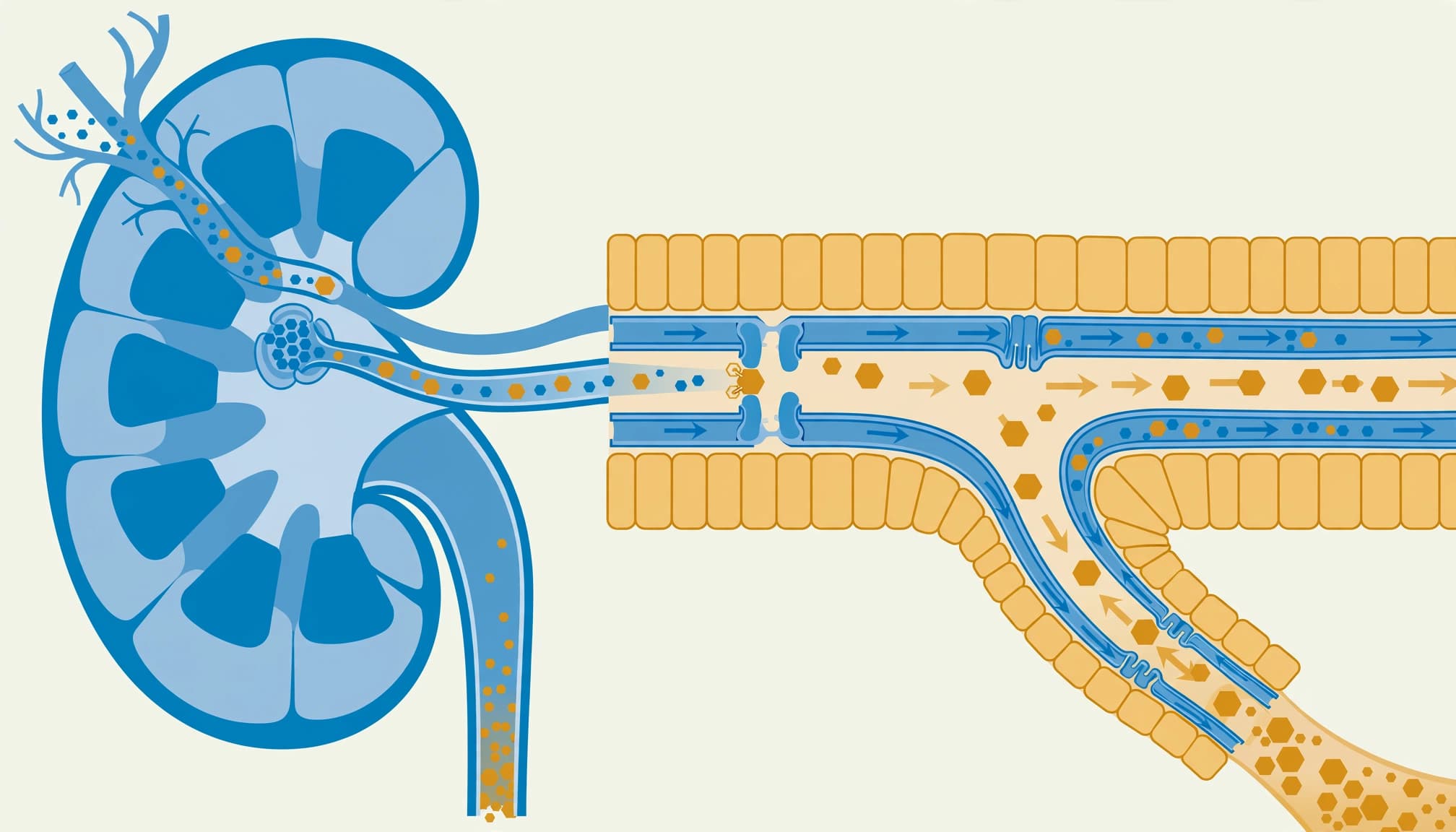
SGLT2 inhibitors lower blood glucose by helping the kidneys remove glucose through urine. Selected medicines also reduce heart-failure events and slow chronic kidney disease progression, so prescribing decisions extend beyond blood sugar alone. The short answer: SGLT2 inhibitors can benefit people

Oct 15, 2026
Potassium salt substitutes can lower sodium intake and blood pressure, but some hypertension medicines make the extra potassium unsafe. The main concern is hyperkalemia, an elevated blood potassium level that can disturb the heart's rhythm. Safety depends on kidney function, the complete medication

Oct 13, 2026
A COPD diagnosis often leads to several prescriptions, each with a different job. A rescue inhaler eases sudden breathing symptoms. Long-acting bronchodilators are taken daily to control breathlessness and reduce exacerbations. Inhaled corticosteroids may be prescribed for people with recurrent fla

Oct 11, 2026
Most medicines while breastfeeding are compatible with nursing, but safety depends on the active ingredient, dose, route and formulation, and the infant's age and health. Stopping prescribed medication without professional advice can cause harm, especially for a parent who relies on treatment for de

Oct 10, 2026
Fourderm isn't a general treatment for every type of eczema. Understanding 7 types of Eczema and Fourderm starts with a distinction: eczema has several forms and triggers, while Fourderm combines four medicines. Indian pharmacy listings describe the cream for certain inflamed skin conditions involvi

Oct 10, 2026
A transdermal patch can contain enough drug to harm someone even after its scheduled wear time ends. Safe use of transdermal patches depends on the exact product, because application sites, replacement schedules and disposal instructions differ. Patches can provide steady medication delivery without

Oct 09, 2026
An iron tablet taken with levothyroxine can reduce the amount of thyroid medicine absorbed. These interactions also affect some antibiotics, while calcium, antacids, and certain drinks can interfere with iron absorption. The clearest starting rule is medicine-specific spacing: thyroid medicine and i