U.S. Orders: Processing & Shipping as Normal.Read More
Logo
140 people bought recently
Zoom

Naprosyn 500+

Brand
Be the first to write a review
Active ingredient:Naproxen Sodium
Naprosyn 500+ is a powerful anti-inflammatory medication designed to relieve pain and reduce swelling. Ideal for managing conditions like arthritis, muscle aches, and joint discomfort, it offers effective relief and supports mobility. Suitable for adults seeking dependable pain management, Naprosyn 500+ helps you regain comfort and maintain an active lifestyle.

USD $22.20

1

Compare Medicines With the Same Generic Name

Products matching the full generic name: Naproxen Sodium

Share

Active ingredient
Naproxen Sodium
Pack Qty
30
Pack Size
Other
Prescription
Not Required
Dispensing Country
IndiaIndia

What is Naproxen Sodium?

Naproxen Sodium is a nonsteroidal anti‑inflammatory drug (NSAID) widely used for its analgesic, antipyretic, and anti‑inflammatory properties. It is commonly prescribed to relieve pain, reduce inflammation, and lower fever in conditions such as arthritis, muscle pain, dysmenorrhea, and other musculoskeletal disorders.

Reference: U.S. Food and Drug Administration (FDA) Naproxen FDA Label; MedlinePlus Naproxen Sodium Overview


What are the other popular names for Naproxen Sodium?

Naproxen Sodium is marketed under several brand names. Some of the most well‑known include:

  • Aleve® (in the United States)
  • Naprosyn®
  • Anaprox® (in some international markets)

Reference: MedlinePlus; U.S. FDA


What is the drug classification of Naproxen Sodium?

Naproxen Sodium is classified as a nonsteroidal anti‑inflammatory drug (NSAID). It is part of the propionic acid derivatives group and is used primarily for its analgesic and anti‑inflammatory effects.

Reference: World Health Organization (WHO); U.S. FDA


What is the mode of action of Naproxen Sodium?

Naproxen Sodium works by nonselectively inhibiting the cyclooxygenase enzymes COX‑1 and COX‑2. This inhibition decreases the synthesis of prostaglandins—lipid compounds that mediate inflammation, pain, and fever. By reducing prostaglandin levels, naproxen sodium alleviates inflammation, diminishes pain, and lowers body temperature.

Reference: PubMed (e.g., Rainsford KD, “Anti‑inflammatory drugs in the 21st century”, Clin Exp Rheumatol.); U.S. FDA


What are the uses of Naproxen Sodium?

Naproxen Sodium is used for the management of various conditions, including:

  • Osteoarthritis and Rheumatoid Arthritis: To reduce joint pain and inflammation.
  • Acute Musculoskeletal Pain: Including strains, sprains, and sports injuries.
  • Dysmenorrhea: To relieve menstrual pain.
  • Fever Reduction: As an antipyretic in various febrile conditions.
  • Other Inflammatory Conditions: Such as gout and ankylosing spondylitis.

Reference: MedlinePlus; U.S. FDA; WHO guidelines on NSAIDs


What is the recommended dosage and administration for Naproxen Sodium?

  • Dosage:
    • For Adults: The typical dose for mild to moderate pain or fever is 220 mg to 550 mg every 8–12 hours, not to exceed 1,375 mg per day for pain management. For inflammatory conditions, doses may be higher based on clinical judgment.
    • For Dysmenorrhea: A dose of 550 mg may be used every 12 hours as needed.
  • Administration:
    • Naproxen Sodium tablets should be taken with a full glass of water, ideally with food or milk to minimize gastrointestinal irritation.
    • Consistent dosing intervals are recommended for maintaining therapeutic effect.

Reference: U.S. FDA Naproxen prescribing information; MedlinePlus


What prescribing information is important for Naproxen Sodium?

  • Indications:
    • Indicated for the relief of pain and inflammation associated with arthritis, musculoskeletal injuries, menstrual cramps, and fever reduction.
  • Contraindications:
    • Patients with a history of NSAID‑induced asthma, urticaria, or allergic-type reactions after taking aspirin or other NSAIDs.
    • History of gastrointestinal bleeding or ulceration related to NSAID use.
  • Monitoring:
    • Regular monitoring is recommended for patients with cardiovascular, renal, or hepatic conditions.
  • Special Considerations:
    • Use with caution in elderly patients and those with existing gastrointestinal or cardiovascular disease.

Reference: U.S. FDA; American College of Rheumatology (ACR) guidelines; MedlinePlus


What safety information, side effects, warnings, and cautions are associated with Naproxen Sodium?

  • Common Side Effects:
    • Gastrointestinal discomfort, nausea, heartburn, headache, dizziness, and mild gastrointestinal bleeding.
  • Serious Side Effects:
    • Gastrointestinal bleeding or perforation, cardiovascular events (e.g., heart attack, stroke), renal impairment, and severe allergic reactions.
  • Warnings & Cautions:
    • Gastrointestinal Risk: Long-term use may increase the risk of serious GI events, particularly in the elderly or those with a history of ulcers.
    • Cardiovascular Risk: NSAIDs may increase the risk of heart attack or stroke, particularly with prolonged use or in patients with existing cardiovascular disease.
    • Renal and Hepatic Function: Monitor patients with impaired renal or liver function, as NSAIDs can worsen these conditions.
  • Pregnancy and Lactation:
    • Use is generally not recommended during the third trimester of pregnancy due to the risk of premature closure of the ductus arteriosus and potential adverse effects on the fetus.
  • Allergic Reactions:
    • Patients with known hypersensitivity to naproxen or other NSAIDs should avoid its use.

Reference: U.S. FDA; MedlinePlus; World Health Organization (WHO)


What drug interactions should be considered with Naproxen Sodium?

  • Anticoagulants and Antiplatelet Agents:
    • Concomitant use may increase the risk of bleeding.
  • Other NSAIDs or Corticosteroids:
    • Combined use can further increase the risk of gastrointestinal side effects and bleeding.
  • ACE Inhibitors and Diuretics:
    • NSAIDs can reduce the efficacy of these agents and increase the risk of renal impairment.
  • Selective Serotonin Reuptake Inhibitors (SSRIs):
    • May increase the risk of gastrointestinal bleeding.

Reference: U.S. FDA; Clinical Pharmacology Reviews on PubMed; MedlinePlus


Where can I find additional clinical evidence and detailed information about Naproxen Sodium?

For further clinical data, dosing guidelines, and safety monitoring, please refer to:

  • U.S. Food and Drug Administration (FDA) Website: FDA.gov
  • MedlinePlus: Naproxen Sodium Information
  • ClinicalTrials.gov: Search for naproxen studies (e.g., NCT00194979)
  • World Health Organization (WHO): Guidelines on the use of NSAIDs
  • PubMed: For peer‑reviewed research articles on naproxen sodium

Reference: U.S. FDA; MedlinePlus; WHO; PubMed


Final Thoughts

Naproxen Sodium is a widely used NSAID that effectively reduces pain, inflammation, and fever across a range of conditions including arthritis, musculoskeletal injuries, and menstrual cramps. By inhibiting COX‑1 and COX‑2 enzymes, it decreases prostaglandin production and mitigates inflammatory responses. Due to its potential risks—such as gastrointestinal bleeding, cardiovascular events, and renal impairment—it should be used under appropriate medical supervision, with careful patient selection and monitoring for adverse effects and drug interactions. Always consult your healthcare provider to ensure that naproxen sodium is the right treatment for your specific condition.

Disclaimer: This information is provided for educational purposes only and should not replace professional medical advice. Always consult with your healthcare provider before initiating or modifying any medication regimen.

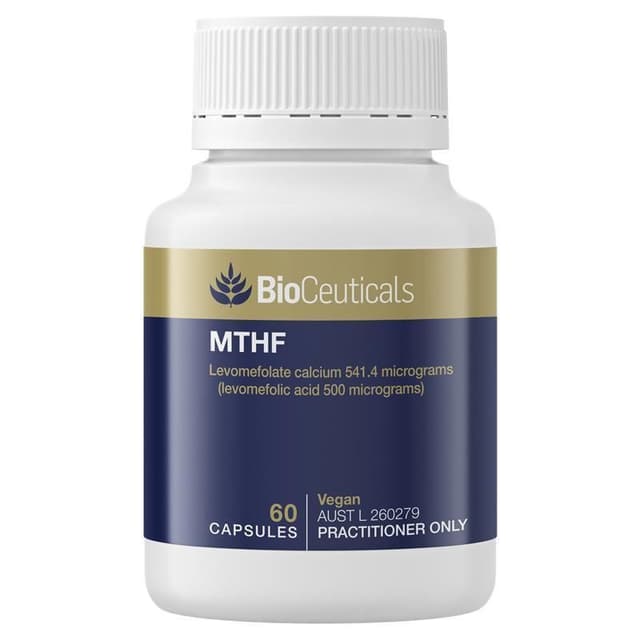
BrandBioCeuticals MTHF 60 Capsules

BioCeuticals MTHF 60 Capsules

Active Ingredient: Suitable for Vegans

Unit: 60 capsules | Pack: Capsule

USD $31.99

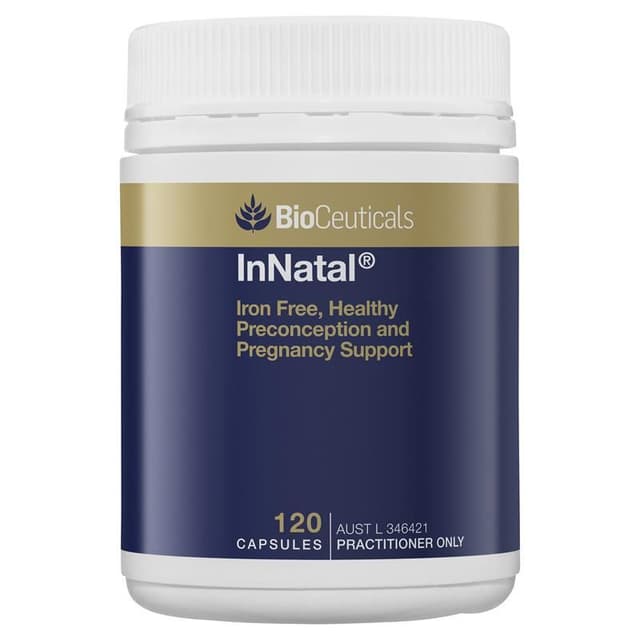
BrandBioceuticals InNatal® 120 Capsules

Bioceuticals InNatal® 120 Capsules

Active Ingredient: Betacarotene 3 mg Thiamine nitrate (thiamine, vitamin B1 700 micrograms) 864 micrograms Riboflavin sodium phosphate (active vitamin B2) (riboflavin, vitamin B2 700 micrograms) 889 micrograms Nicotinamide (vitamin B3) 9 mg

Unit: 120 capsules | Pack: Capsule

USD $62.49

BrandBioCeuticals Ultra Muscleze® 180g

BioCeuticals Ultra Muscleze® 180g

Active Ingredient: Magnesium amino acid chelate - UltraMag® 2.1 g (magnesium 244 mg) Magnesium oxide heavy (magnesium 36.2 mg) 60 mg Glutamine 500 mg Taurine 500 mg Levocarnitine tartrate 75 mg equiv. to levocarnitine 51.15 mg d-alpha-tocopheryl acid

Unit: 180g | Pack: Not specified

USD $44.95

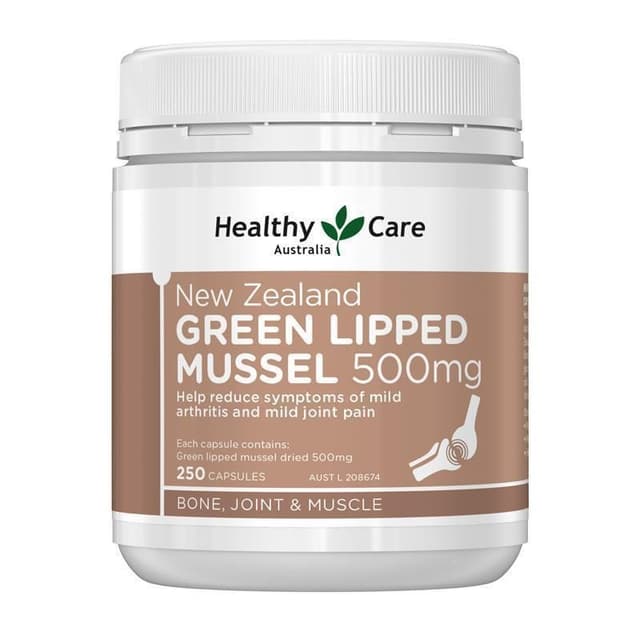
BrandHealthy Care New Zealand Green Lipped Mussel 250 Capsules

Healthy Care New Zealand Green Lipped Mussel 250 Capsules

Active Ingredient: Gluten| Artificial Preservatives| Added Sugar| Wheat| Yeast

Unit: 250 capsules | Pack: Capsule

USD $32.95

BrandHealthy Care Ultimate Omega 3-6-9 200 Capsules

Healthy Care Ultimate Omega 3-6-9 200 Capsules

Active Ingredient: Evening Primrose Oil 333.3mg equiv. gamma-linolenic acid 33.3mg linseed Oil (Flaxseed) 333.3mg equiv. Oleic acid 40mg equiv. Linoleic acid 40mg equiv. Linolenic acid 165mg Natural Fish Oil 333.3mg equiv. Eicosapentaenoic acid (EPA)

Unit: 200 capsules | Pack: Capsule

USD $28.49

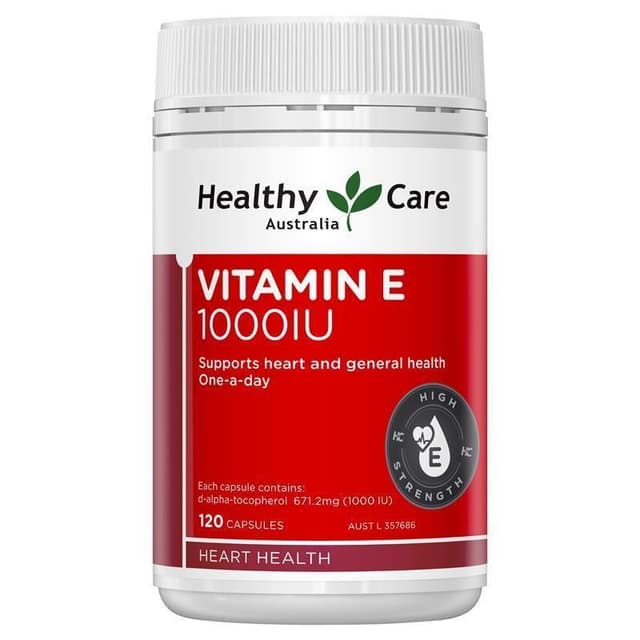
BrandHealthy Care Vitamin E 1000IU 120 Capsules

Healthy Care Vitamin E 1000IU 120 Capsules

Active Ingredient: Contains Soya Oil and Sulfites. Allergen Contains: Soy| Sulphites

Unit: 120 capsules | Pack: Capsule

USD $34.49

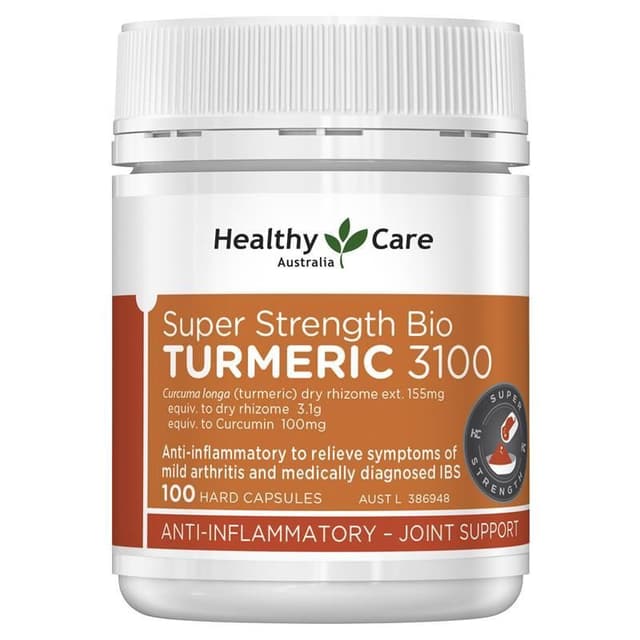
BrandHealthy Care Super Strength Bio Turmeric 3100mg 100 Capsules NEW

Healthy Care Super Strength Bio Turmeric 3100mg 100 Capsules NEW

Active Ingredient: Sulfites, Gluten Allergen Contains: Gluten| Sulphites

Unit: 3100mg | Pack: Capsule

USD $24.49

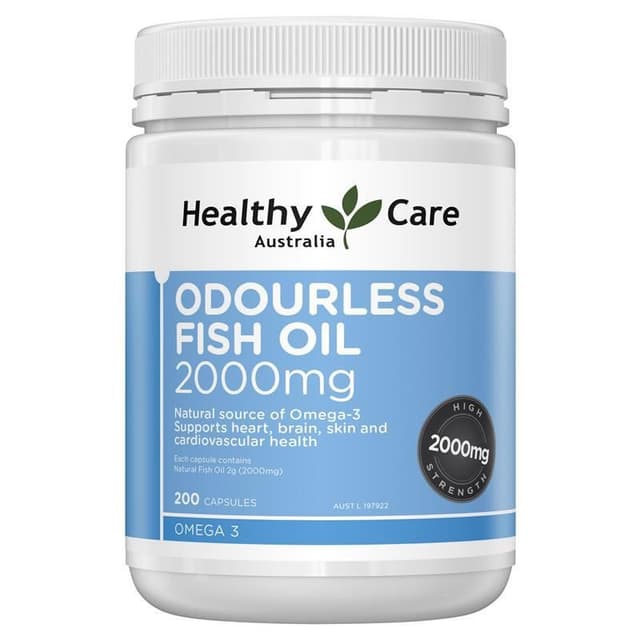
BrandHealthy Care Fish Oil 2000mg 200 Capsules

Healthy Care Fish Oil 2000mg 200 Capsules

Active Ingredient: Concentrated Fish Oil Omega-3 triglycerides 500mg - Equiv. to total Omega-3 fatty acid* expressed as triglycerides 340mg *Including total EPA + DHA 300mg Concentrated Fish Oil Omega-3 triglyc

Unit: 2000mg | Pack: Capsule

USD $42.49

More from Pain Relief/Analgesics

RxGeneric ACEBEL

ACEBEL

Active Ingredient: Aceclofenac

Unit: 30 | Pack: Other

USD $14.11

Generic ACETAMINOPHEN

ACETAMINOPHEN

Active Ingredient: Paracetamol

Unit: 100 | Pack: Other

USD $4.50

RxGeneric ALEVE

ALEVE

Active Ingredient: Naproxen

Unit: 30 | Pack: Other

USD $10.06

Generic ASPIRIN

ASPIRIN

Active Ingredient: Acetylsalicylic Acid

Unit: 28 | Pack: Other

USD $6.31

RxGeneric AZULFIDINE

AZULFIDINE

Active Ingredient: Sulfasalazine

Unit: 30 | Pack: Other

USD $15.32

RxGeneric CELEBREX

CELEBREX

Active Ingredient: Celecoxib

Unit: 30 | Pack: Other

USD $0.00

RxGeneric EMLA CREAM 2.5/2.5%gm

EMLA CREAM 2.5/2.5%gm

Active Ingredient: Prilocaine Hydrochloride / Lidocaine

Unit: 1 | Pack: Ointment

USD $11.95

RxGeneric FELDENE

FELDENE

Active Ingredient: Piroxicam

Unit: 30 | Pack: Other

USD $13.22

RxGeneric FLECTOR PATCH 100mg

FLECTOR PATCH 100mg

Active Ingredient: Diclofenac Transdermal

Unit: 5 | Pack: Other

USD $43.39

RxGeneric FLECTOR PATCH 200mg

FLECTOR PATCH 200mg

Active Ingredient: Diclofenac Transdermal

Unit: 5 | Pack: Other

USD $63.19

Health Guides

Health Guides Related to Naprosyn 500+

Medication Redosing After Vomiting: When to Repeat a Dose

Oct 31, 2026

Medication Redosing After Vomiting: When to Repeat a Dose

Whether to repeat a dose of an oral medication depends on the medicine, formulation, and elapsed time. Vomiting within 15 minutes or seeing an intact tablet can justify considering a replacement; after an hour, another dose is usually unnecessary. These are general timing guides, not permission to r

Sun Sensitivity Medications: Skin Protection Tips

Oct 21, 2026

Sun Sensitivity Medications: Skin Protection Tips

Common sun sensitivity medications include doxycycline, hydrochlorothiazide, naproxen and amiodarone. These drugs can cause marked UV-induced skin injury or a delayed, itchy rash after UV light. The safest response combines UV protection with a medication review, rather than changing a dose withou

Potassium Salt Substitutes and Blood Pressure Medicines

Oct 15, 2026

Potassium Salt Substitutes and Blood Pressure Medicines

Potassium salt substitutes can lower sodium intake and blood pressure, but some hypertension medicines make the extra potassium unsafe. The main concern is hyperkalemia, an elevated blood potassium level that can disturb the heart's rhythm. Safety depends on kidney function, the complete medication

COPD Medications: Long-Acting Inhalers Explained

Oct 13, 2026

COPD Medications: Long-Acting Inhalers Explained

A COPD diagnosis often leads to several prescriptions, each with a different job. A rescue inhaler eases sudden breathing symptoms. Long-acting bronchodilators are taken daily to control breathlessness and reduce exacerbations. Inhaled corticosteroids may be prescribed for people with recurrent fla

Medicines While Breastfeeding: Before the Next Dose

Oct 11, 2026

Medicines While Breastfeeding: Before the Next Dose

Most medicines while breastfeeding are compatible with nursing, but safety depends on the active ingredient, dose, route and formulation, and the infant's age and health. Stopping prescribed medication without professional advice can cause harm, especially for a parent who relies on treatment for de

7 types of Eczema and Fourderm: Uses, Risks, and Cost

Oct 10, 2026

7 types of Eczema and Fourderm: Uses, Risks, and Cost

Fourderm isn't a general treatment for every type of eczema. Understanding 7 types of Eczema and Fourderm starts with a distinction: eczema has several forms and triggers, while Fourderm combines four medicines. Indian pharmacy listings describe the cream for certain inflamed skin conditions involvi

7 types of Eczema and Fourderm: Uses, Risks, and Cost

Oct 10, 2026

7 types of Eczema and Fourderm: Uses, Risks, and Cost

Fourderm isn't a general treatment for every type of eczema. Understanding 7 types of Eczema and Fourderm starts with a distinction: eczema has several forms and triggers, while Fourderm combines four medicines. Indian pharmacy listings describe the cream for certain inflamed skin conditions involvi

Medications Before Surgery: A Daily Prescription Guide

Oct 07, 2026

Medications Before Surgery: A Daily Prescription Guide

A medicine that prevents a stroke can also increase surgical bleeding, while stopping it can raise the risk of a clot. Preparing medications before surgery requires a written, individualized plan, not a blanket instruction to stop daily prescriptions. The short answer: Give the surgical team a comp

Blood Thinner Interactions: Painkillers and Supplements

Oct 02, 2026

Blood Thinner Interactions: Painkillers and Supplements

Common painkillers and herbal supplements can interact with blood thinners. Depending on the medicines involved and the patient, these blood thinner interactions may increase bleeding or reduce protection against blood clots. Ibuprofen, naproxen, aspirin, and certain supplements need review before

What to Include in a Medication Travel Kit for Longer Trips

Sep 22, 2026

What to Include in a Medication Travel Kit for Longer Trips

A missed dose, blistered heel, or sudden stomach illness can disrupt a long trip faster than a forgotten charger. A well-planned medication travel kit keeps routine treatment, basic first aid, and destination-specific supplies within reach. Together, these items form a practical travel health kit wh