Express & Expedited Shipping Service

Browse products alphabetically or search by name.
Health Guides
Nov 24, 2026
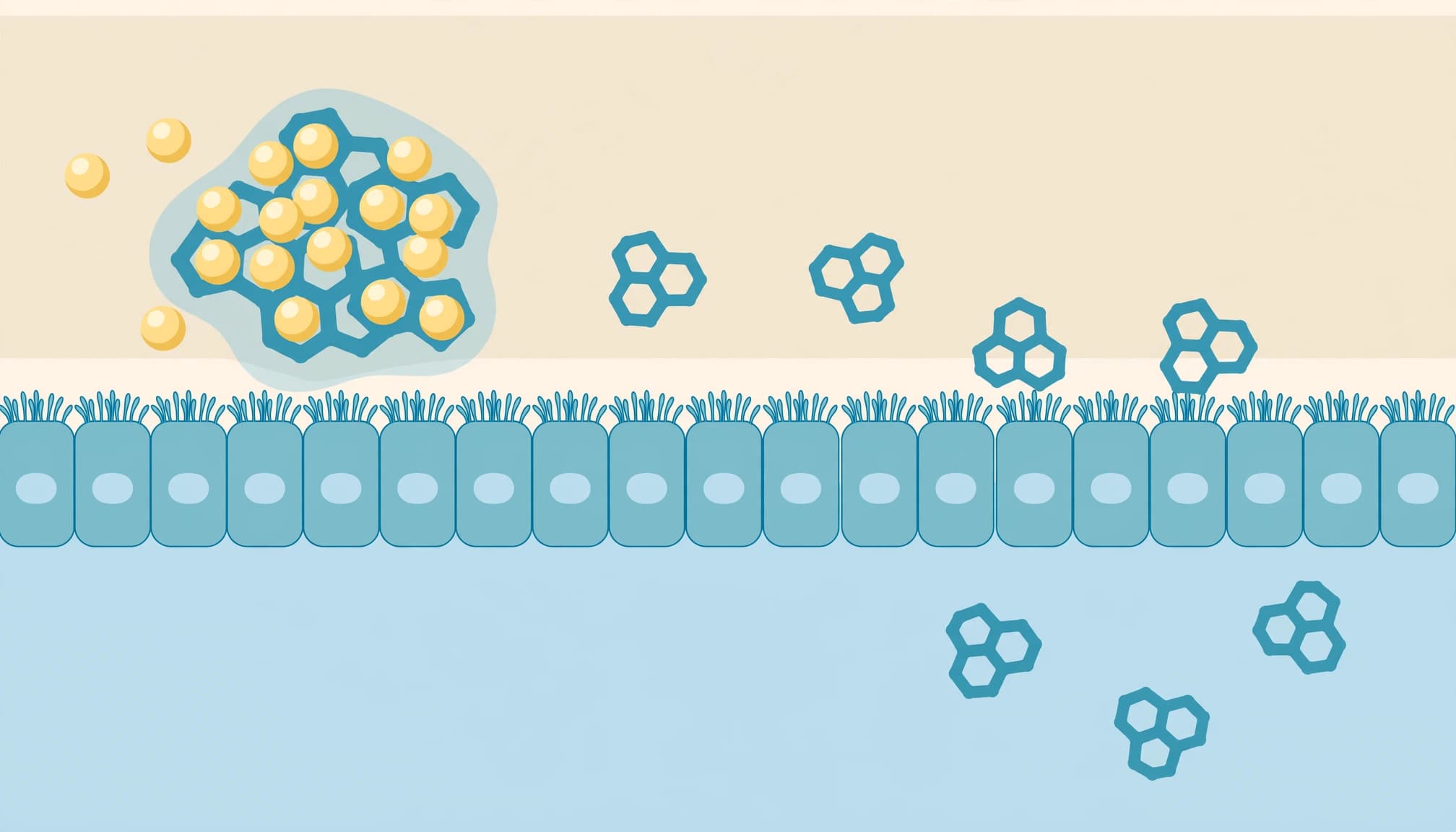
Some antibiotics interact with dairy foods such as milk, but many don't. Calcium can reduce absorption of certain antibiotics, especially tetracyclines such as tetracycline and fluoroquinolones such as ciprofloxacin, while amoxicillin generally doesn't need a dairy gap. The rules depend on the drug,

Nov 17, 2026
Medicines that can cause QT prolongation include certain heart-rhythm drugs, antibiotics, antidepressants, antipsychotics, anti-nausea treatments, and methadone. They can delay the heart's electrical recovery between beats and increase the risk of a dangerous rhythm called torsades de pointes. Howev

Nov 14, 2026
Yes. Some cold and flu medicines raise blood pressure, particularly those with vessel-constricting ingredients or nonsteroidal anti-inflammatory drugs (NSAIDs). People with severe or uncontrolled hypertension shouldn't take vessel-constricting medicines; controlled blood pressure still warrants a me

Oct 24, 2026
Psoriasis medications reduce inflammation, slow excessive skin-cell growth, and control plaques. They don't cure psoriasis, but effective treatment can substantially reduce symptoms and improve daily life. Treatment in brief: Topical medicines treat affected skin. Oral medicines and injected biolog
Oct 21, 2026
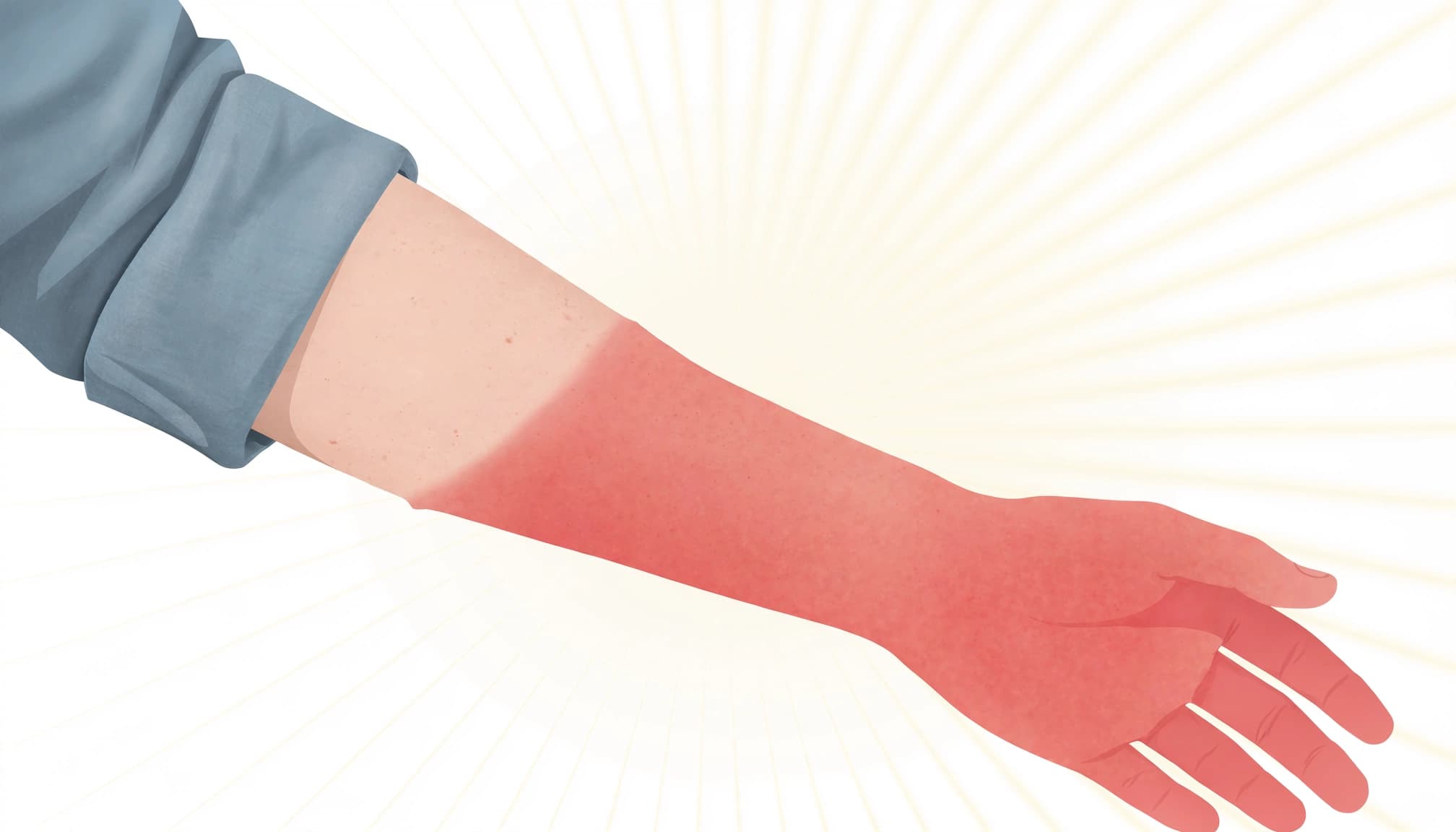
Common sun sensitivity medications include doxycycline, hydrochlorothiazide, naproxen and amiodarone. These drugs can cause marked UV-induced skin injury or a delayed, itchy rash after UV light. The safest response combines UV protection with a medication review, rather than changing a dose withou
Oct 12, 2026
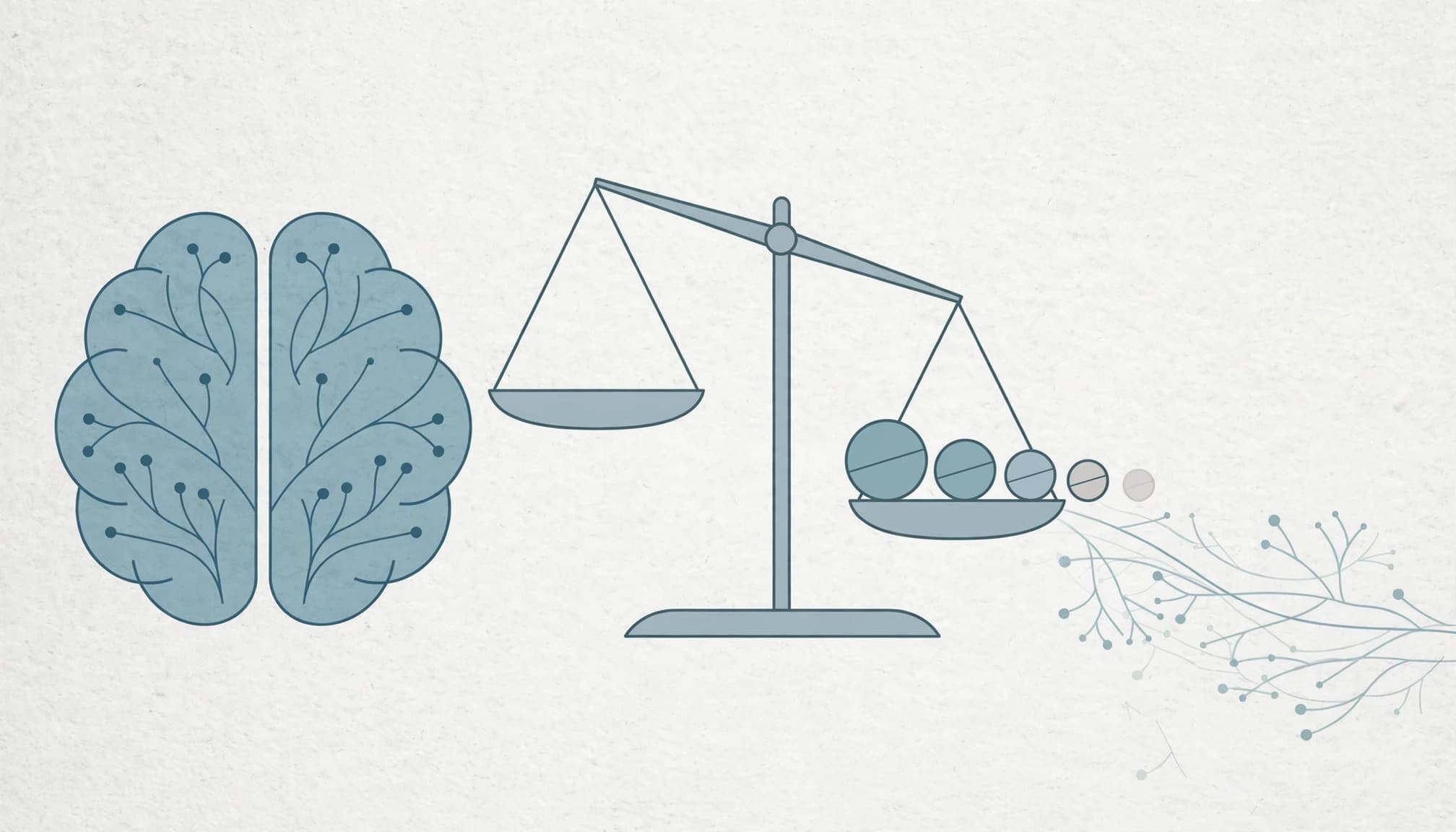
A gradual reduction can cause withdrawal symptoms, even when the original illness has improved. Plan dose changes with the prescriber, and don't stop abruptly. Before reducing a dose, agree on why treatment is changing, the size and timing of each reduction, expected symptoms, and when to pause. Th

Oct 11, 2026
Most medicines while breastfeeding are compatible with nursing, but safety depends on the active ingredient, dose, route and formulation, and the infant's age and health. Stopping prescribed medication without professional advice can cause harm, especially for a parent who relies on treatment for de

Oct 07, 2026
A medicine that prevents a stroke can also increase surgical bleeding, while stopping it can raise the risk of a clot. Preparing medications before surgery requires a written, individualized plan, not a blanket instruction to stop daily prescriptions. The short answer: Give the surgical team a comp

Oct 04, 2026
Grapefruit can change how much medication reaches the bloodstream, even when the prescribed dose stays the same. Grapefruit drug interactions affect certain cholesterol, blood pressure, transplant, cancer, and allergy medicines, but the risk depends on the exact medicine. For some drugs, exposure ri

Oct 03, 2026
Stopping a needed medicine can harm a pregnancy, just as taking an unsuitable drug can. Decisions about medications during pregnancy depend on the condition, active ingredient, dose, and pregnancy stage. Before treatment, the review should establish why the medicine is needed and whether a better-st