Express & Expedited Shipping Service
USD $92.72
Products matching the full generic name: Dabigatran Etexilate
 India
PRADAXA is a prescription medication used to reduce the risk of stroke and systemic embolism in patients with non-valvular atrial fibrillation. It is also used to treat deep vein thrombosis (DVT) and pulmonary embolism (PE) and to reduce the risk of recurrence of DVT and PE in patients who have been previously treated.
PRADAXA works as a direct thrombin inhibitor. Thrombin is an enzyme in the blood that causes clotting. By inhibiting thrombin, PRADAXA helps to prevent the formation of clots, reducing the risk of stroke and other clot-related conditions.
PRADAXA is intended for patients with non-valvular atrial fibrillation to reduce the risk of stroke and systemic embolism. It is also suitable for patients who have had DVT or PE and need treatment or are at risk of recurrence. Always consult with a healthcare provider to determine if PRADAXA is appropriate for your condition.
Common side effects of PRADAXA may include bleeding, stomach pain, indigestion, and nausea. Serious side effects can include severe bleeding, allergic reactions, and liver problems. It is crucial to seek medical attention if you experience any unusual symptoms or signs of bleeding.
PRADAXA should be taken exactly as prescribed by your healthcare provider. Typically, it is taken orally with or without food. It is important not to discontinue use without consulting your healthcare provider, as this can increase the risk of stroke and other complications.
Yes, PRADAXA can interact with other medications, including antiplatelet drugs, anticoagulants, and certain antidepressants. It is important to inform your healthcare provider of all medications you are currently taking, including over-the-counter drugs and supplements, to avoid potential interactions.
While on PRADAXA, regular monitoring by a healthcare provider is essential to ensure the medication is working effectively and to manage any side effects. Patients should inform their healthcare provider of any planned surgeries or dental procedures, as adjustments to PRADAXA may be necessary.
For more detailed information about PRADAXA, including patient information leaflets and clinical studies, please consult your healthcare provider or visit the official PRADAXA website. It is important to rely on professional medical advice for any questions or concerns regarding this medication.
Health Guides

Nov 07, 2026
CBD can interact with prescription medicines by changing drug breakdown or adding to effects such as drowsiness. Some CBD drug interactions require blood tests or medication adjustments, while others remain theoretical rather than proven in patients. The strongest evidence concerns particular medici

Nov 05, 2026
Blood pressure medicines can cause dizziness on standing because they reduce the body's ability to maintain pressure against gravity. The resulting drop can briefly reduce blood flow to the brain, a condition called orthostatic hypotension. Blood pressure medication dizziness often appears after t

Oct 31, 2026
Whether to repeat a dose of an oral medication depends on the medicine, formulation, and elapsed time. Vomiting within 15 minutes or seeing an intact tablet can justify considering a replacement; after an hour, another dose is usually unnecessary. These are general timing guides, not permission to r

Oct 29, 2026
Serotonin syndrome is a potentially life-threatening drug reaction caused by excessive serotonin activity. Fever, confusion, and muscle jerking after a medicine change require urgent medical assessment. Symptoms often begin within hours, particularly when medicines with overlapping serotonin effects

Oct 26, 2026
Amlodipine widens small arteries more than veins, pushing fluid into surrounding tissues. Ankle swelling is one of the recognized side effects of this medicine. Mild swelling in both ankles is common, but new or worsening symptoms deserve medical review. The key distinction is where the swelling occ

Oct 25, 2026
Oral cancer medication safety depends on following the prescribed schedule, protecting household members from exposure, and reporting symptoms promptly. Tablets should stay intact, caregivers should use disposable gloves, and food or medicine changes need an oncology pharmacist's review. At-home o
Oct 24, 2026
Psoriasis medications reduce inflammation, slow excessive skin-cell growth, and control plaques. They don't cure psoriasis, but effective treatment can substantially reduce symptoms and improve daily life. Treatment in brief: Topical medicines treat affected skin. Oral medicines and injected biolog
Oct 22, 2026
Parkinson's disease medications improve movement by replacing dopamine, stimulating its receptors, or slowing its breakdown. Carbidopa-levodopa remains the most effective treatment for movement symptoms, while other medicines address milder symptoms, wearing-off, or involuntary movements. Treatment
Oct 19, 2026
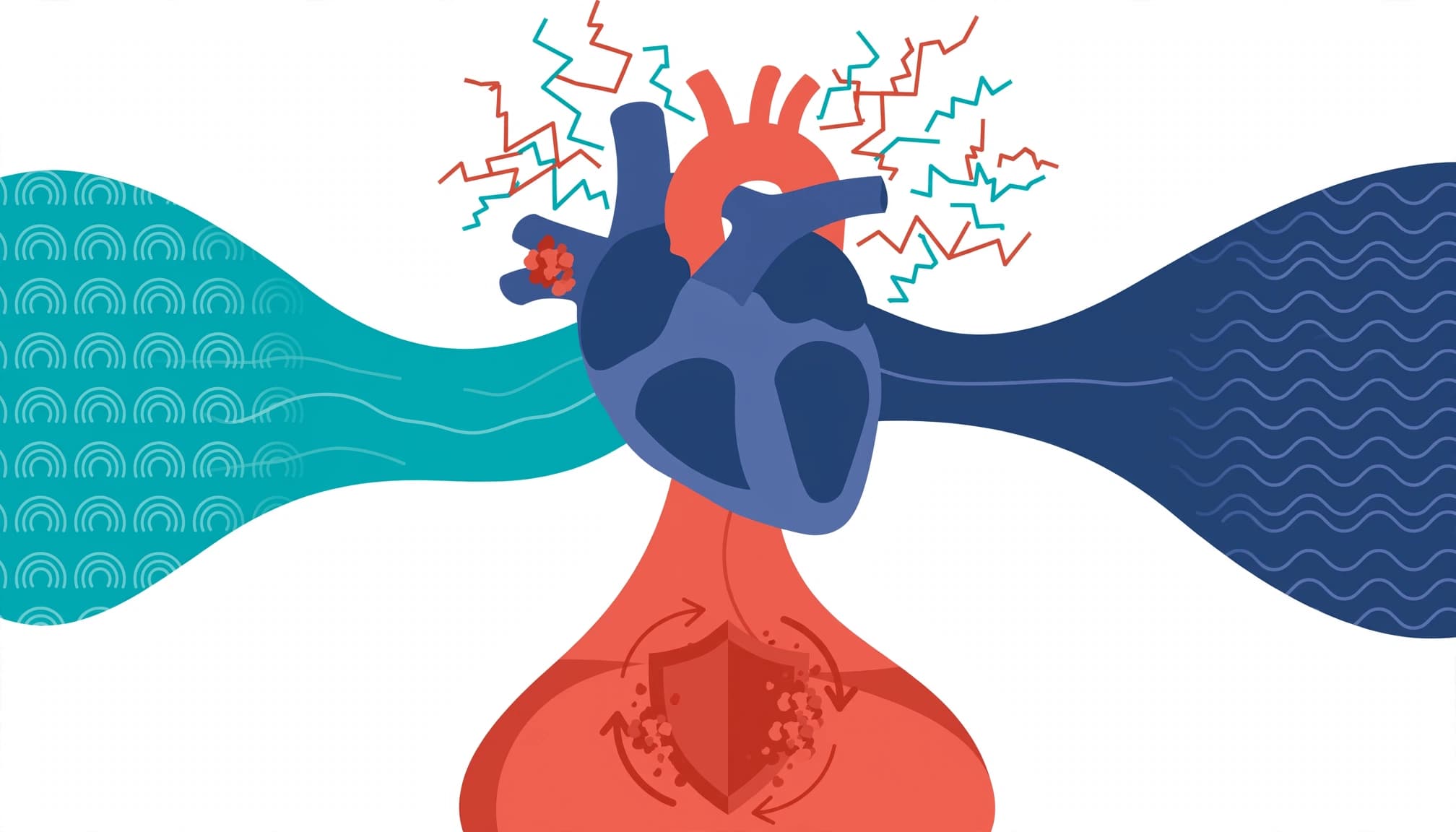
Atrial fibrillation medications address three goals: rate control for a fast heart rate, rhythm control for an abnormal rhythm, and stroke prevention with anticoagulants that reduce blood clots. For atrial fibrillation, the regimen depends on stroke risk, heart and kidney function, and other prescri

Oct 18, 2026
On a prescription, "take as needed" means taking prescription medication only when the specified symptom or situation occurs. Take it as directed, following the prescribed dose, minimum interval, and maximum daily limit. The abbreviation PRN comes from the Latin pro re nata, meaning "as needed." Und