Express & Expedited Shipping Service

Browse products alphabetically or search by name.
Health Guides
Nov 24, 2026
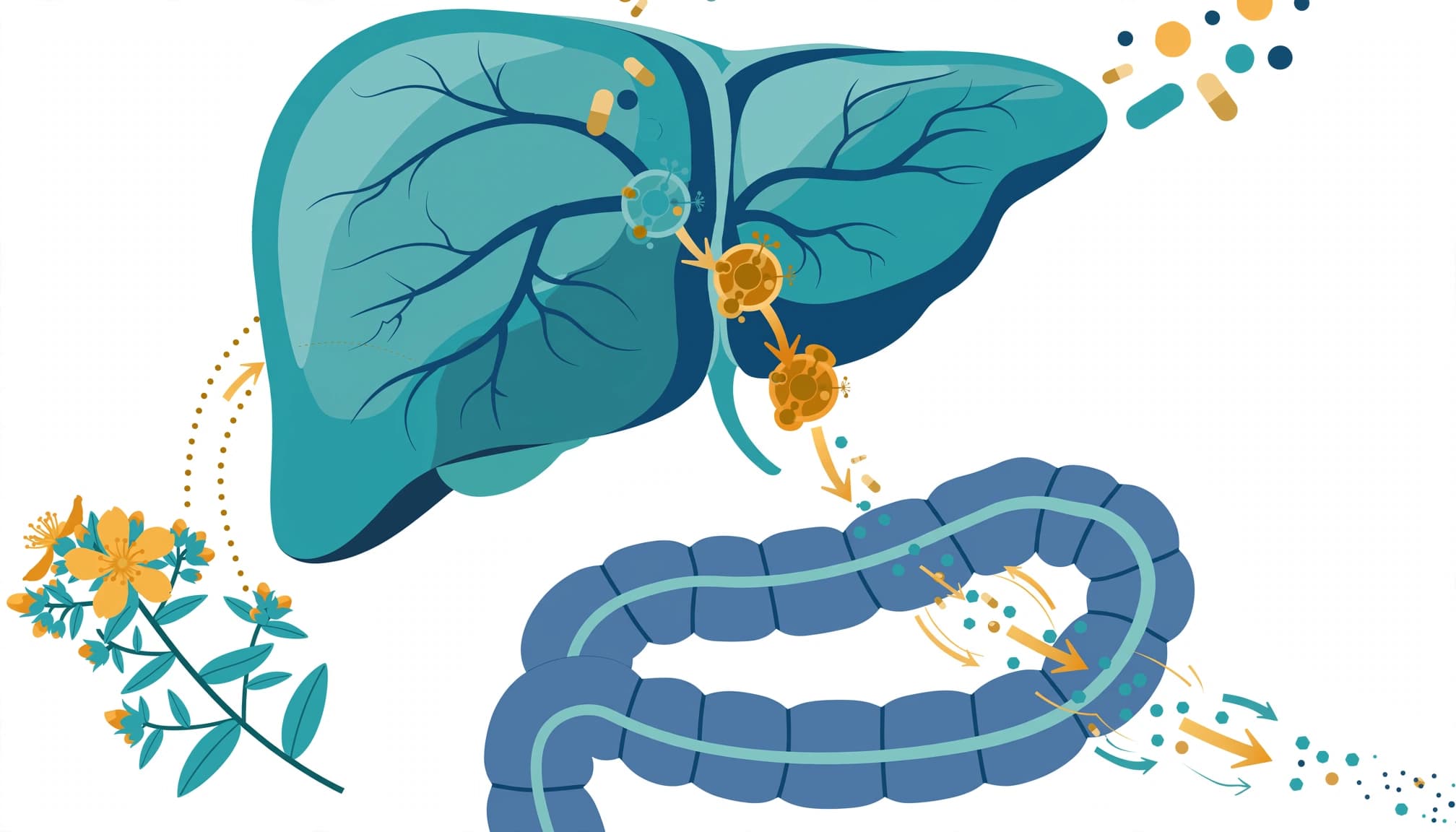
St John's wort interactions can reduce the effectiveness of prescription medicines or cause dangerous serotonin toxicity. Transplant medicines, antidepressants, anticoagulants, contraceptives and several antiviral treatments are among the main concerns. Yes, St John's wort can interact with prescri
Nov 24, 2026
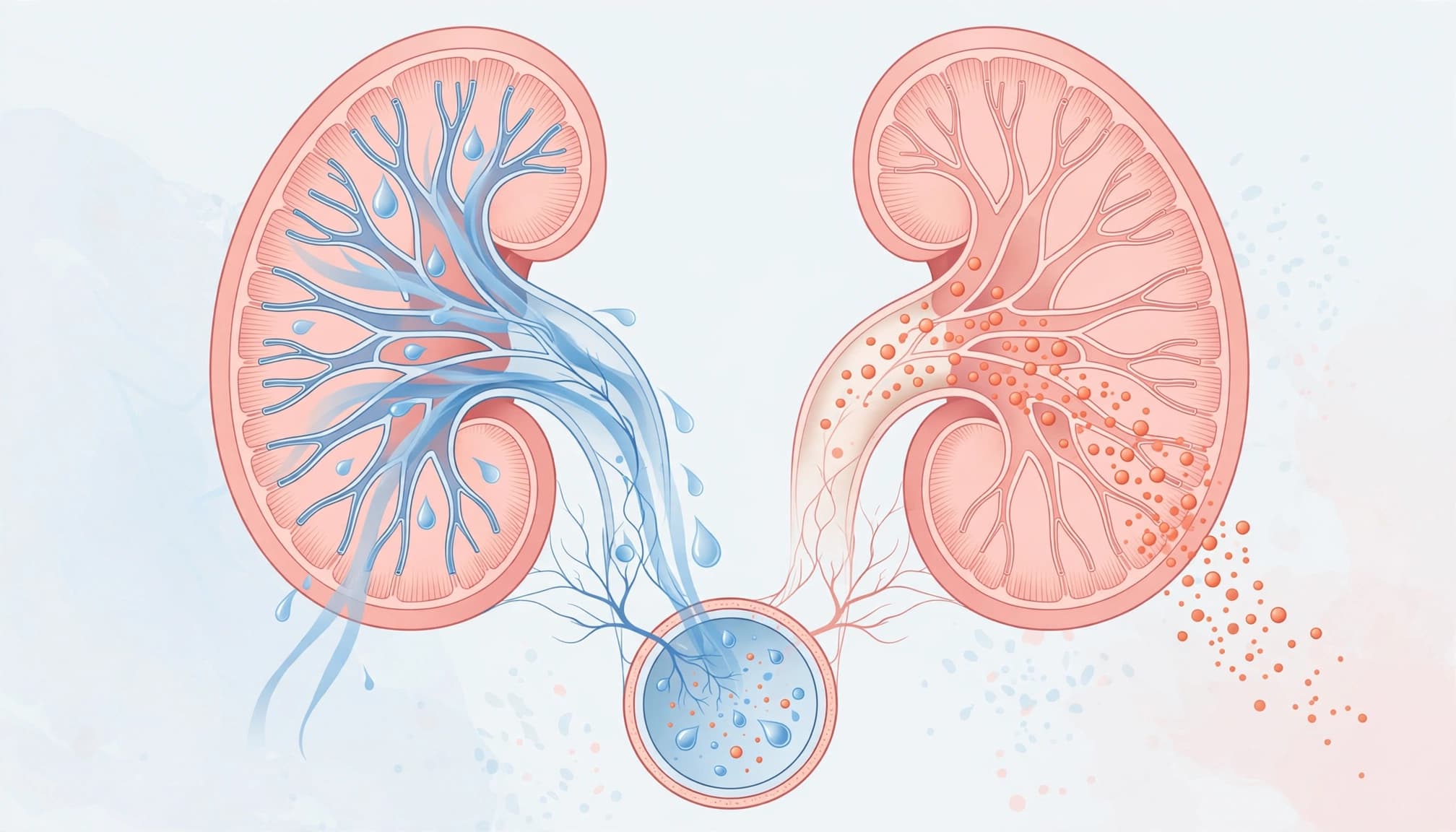
Thiazide diuretics, antidepressants and certain anticonvulsants are among the medications that lower sodium in the blood. They can cause sodium loss, water retention, or both, producing a condition called hyponatremia. The danger depends on how quickly sodium levels fall, alongside the blood-test re
Nov 24, 2026
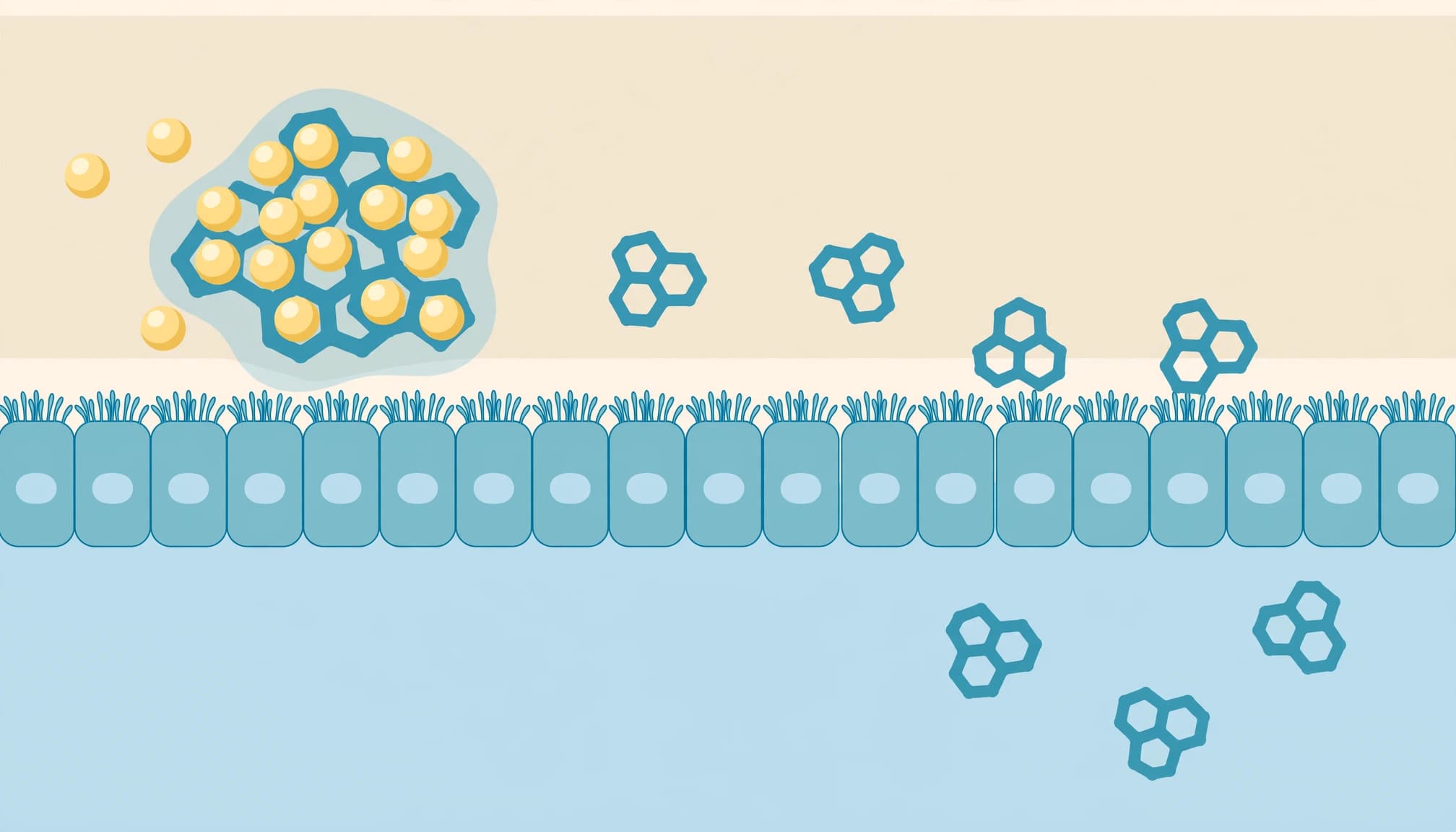
Some antibiotics interact with dairy foods such as milk, but many don't. Calcium can reduce absorption of certain antibiotics, especially tetracyclines such as tetracycline and fluoroquinolones such as ciprofloxacin, while amoxicillin generally doesn't need a dairy gap. The rules depend on the drug,

Nov 17, 2026
Medicines that can cause QT prolongation include certain heart-rhythm drugs, antibiotics, antidepressants, antipsychotics, anti-nausea treatments, and methadone. They can delay the heart's electrical recovery between beats and increase the risk of a dangerous rhythm called torsades de pointes. Howev

Nov 14, 2026
Yes. Some cold and flu medicines raise blood pressure, particularly those with vessel-constricting ingredients or nonsteroidal anti-inflammatory drugs (NSAIDs). People with severe or uncontrolled hypertension shouldn't take vessel-constricting medicines; controlled blood pressure still warrants a me

Nov 10, 2026
Antibiotic-associated diarrhea (AAD) happens when antibiotics disturb protective gut bacteria, change digestion, or allow harmful organisms to multiply. New diarrhea during or after antibiotics warrants clinician contact, especially with three or more watery stools daily, fever, blood, significant p

Nov 06, 2026
Medication dry mouth happens when a drug reduces saliva production or alters the sensation of moisture. Anticholinergic effects are a common cause, and management usually combines a medication review, moisture replacement and tooth protection. Persistent dryness can make eating or speaking difficult

Nov 03, 2026
Insulin injection sites should rotate with every dose, using a different point within a planned body area. Home injections go into subcutaneous fat under the skin, not into muscle or a vein. Repeated injections into one spot can cause lipohypertrophy, a fatty lump that makes the insulin absorption r

Oct 24, 2026
Psoriasis medications reduce inflammation, slow excessive skin-cell growth, and control plaques. They don't cure psoriasis, but effective treatment can substantially reduce symptoms and improve daily life. Treatment in brief: Topical medicines treat affected skin. Oral medicines and injected biolog

Oct 19, 2026
Atrial fibrillation medications address three goals: rate control for a fast heart rate, rhythm control for an abnormal rhythm, and stroke prevention with anticoagulants that reduce blood clots. For atrial fibrillation, the regimen depends on stroke risk, heart and kidney function, and other prescri