Express & Expedited Shipping Service
USD $20.71
 India
DILANTIN is a prescription medication primarily used to control seizures in the treatment of epilepsy. It works by stabilizing the electrical activity in the brain, preventing the occurrence of seizures. It is particularly effective for tonic-clonic (grand mal) and partial seizures.
DILANTIN operates by reducing excessive electrical activity in the brain. It does this by blocking voltage-dependent sodium channels, which are responsible for the propagation of nerve impulses. This mechanism helps in controlling and preventing seizures.
DILANTIN is typically prescribed to individuals diagnosed with epilepsy who experience tonic-clonic or partial seizures. It may also be used in other medical conditions as determined by a healthcare provider. A thorough medical evaluation is necessary before starting this medication.
DILANTIN is usually taken orally, with or without food, as directed by a healthcare provider. The dosage is based on the medical condition, response to treatment, and other medications the patient may be taking. It's important to follow the prescribed dosage and schedule to ensure effective treatment.
Common side effects of DILANTIN may include dizziness, drowsiness, nausea, and coordination problems. Serious side effects can occur and should be reported to a healthcare provider immediately. These include mood changes, unusual tiredness, and signs of liver problems.
Before taking DILANTIN, inform your healthcare provider about any allergies, medical history, or other medications you are taking. DILANTIN may interact with other drugs, which can affect its efficacy or increase the risk of serious side effects. Alcohol and certain medications should be avoided while taking DILANTIN.
The use of DILANTIN during pregnancy or breastfeeding should be discussed with a healthcare provider. It may pose risks to the unborn child or nursing infant. Your doctor will weigh the benefits and risks before prescribing this medication.
Store DILANTIN at room temperature, away from light and moisture. Keep it out of reach of children and pets. Do not store it in the bathroom, and ensure the bottle is tightly closed when not in use.
In the event of an overdose, seek immediate medical attention. Symptoms of overdose may include severe dizziness, confusion, and loss of consciousness. Prompt medical treatment is essential.
For more detailed information about DILANTIN, consult your healthcare provider or pharmacist. They can provide comprehensive guidance based on your specific health needs and medical history.
Health Guides

Nov 07, 2026
CBD can interact with prescription medicines by changing drug breakdown or adding to effects such as drowsiness. Some CBD drug interactions require blood tests or medication adjustments, while others remain theoretical rather than proven in patients. The strongest evidence concerns particular medici

Nov 05, 2026
Blood pressure medicines can cause dizziness on standing because they reduce the body's ability to maintain pressure against gravity. The resulting drop can briefly reduce blood flow to the brain, a condition called orthostatic hypotension. Blood pressure medication dizziness often appears after t

Oct 31, 2026
Whether to repeat a dose of an oral medication depends on the medicine, formulation, and elapsed time. Vomiting within 15 minutes or seeing an intact tablet can justify considering a replacement; after an hour, another dose is usually unnecessary. These are general timing guides, not permission to r

Oct 29, 2026
Serotonin syndrome is a potentially life-threatening drug reaction caused by excessive serotonin activity. Fever, confusion, and muscle jerking after a medicine change require urgent medical assessment. Symptoms often begin within hours, particularly when medicines with overlapping serotonin effects

Oct 26, 2026
Amlodipine widens small arteries more than veins, pushing fluid into surrounding tissues. Ankle swelling is one of the recognized side effects of this medicine. Mild swelling in both ankles is common, but new or worsening symptoms deserve medical review. The key distinction is where the swelling occ

Oct 25, 2026
Oral cancer medication safety depends on following the prescribed schedule, protecting household members from exposure, and reporting symptoms promptly. Tablets should stay intact, caregivers should use disposable gloves, and food or medicine changes need an oncology pharmacist's review. At-home o
Oct 24, 2026
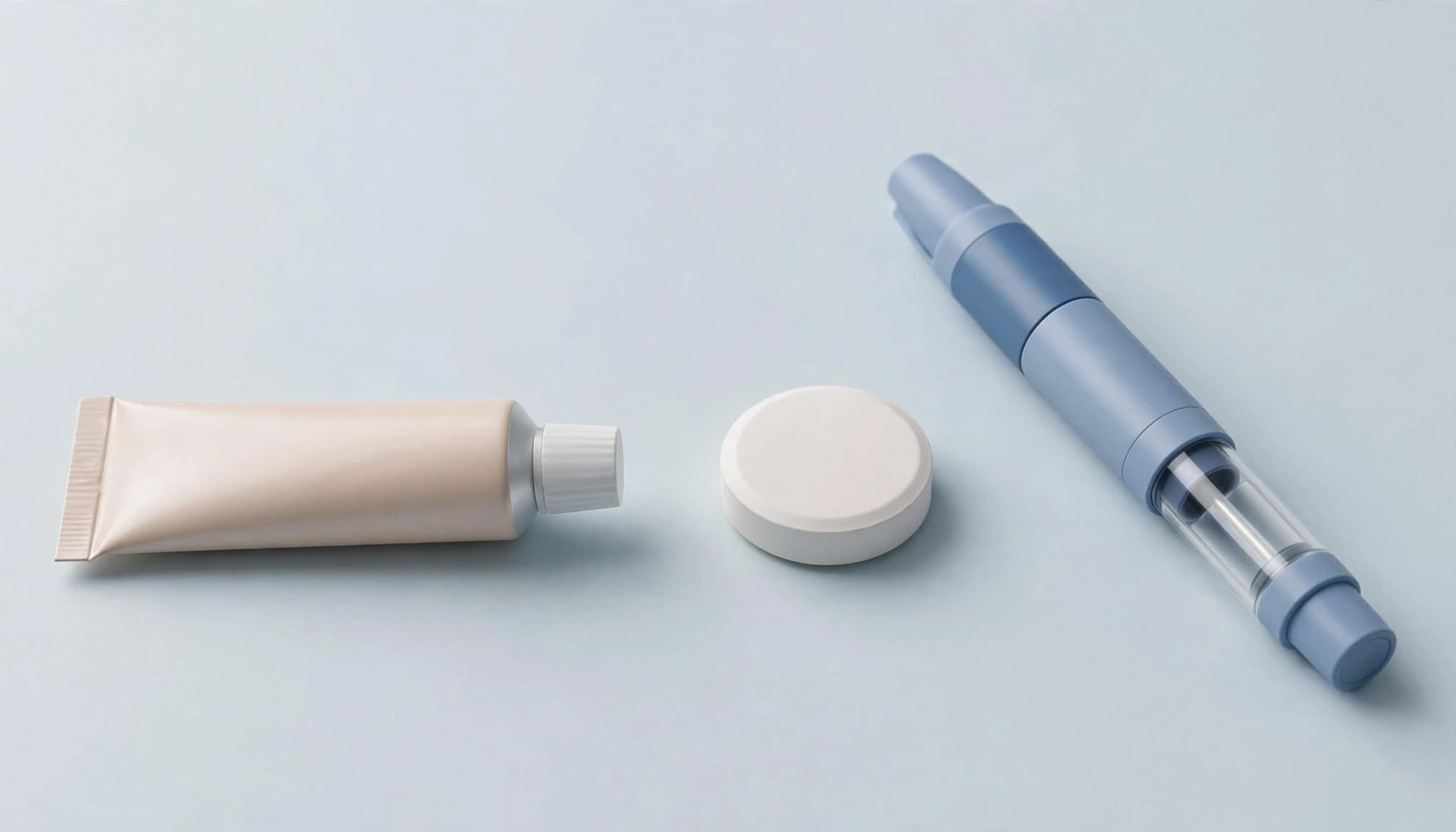
Psoriasis medications reduce inflammation, slow excessive skin-cell growth, and control plaques. They don't cure psoriasis, but effective treatment can substantially reduce symptoms and improve daily life. Treatment in brief: Topical medicines treat affected skin. Oral medicines and injected biolog
Oct 22, 2026
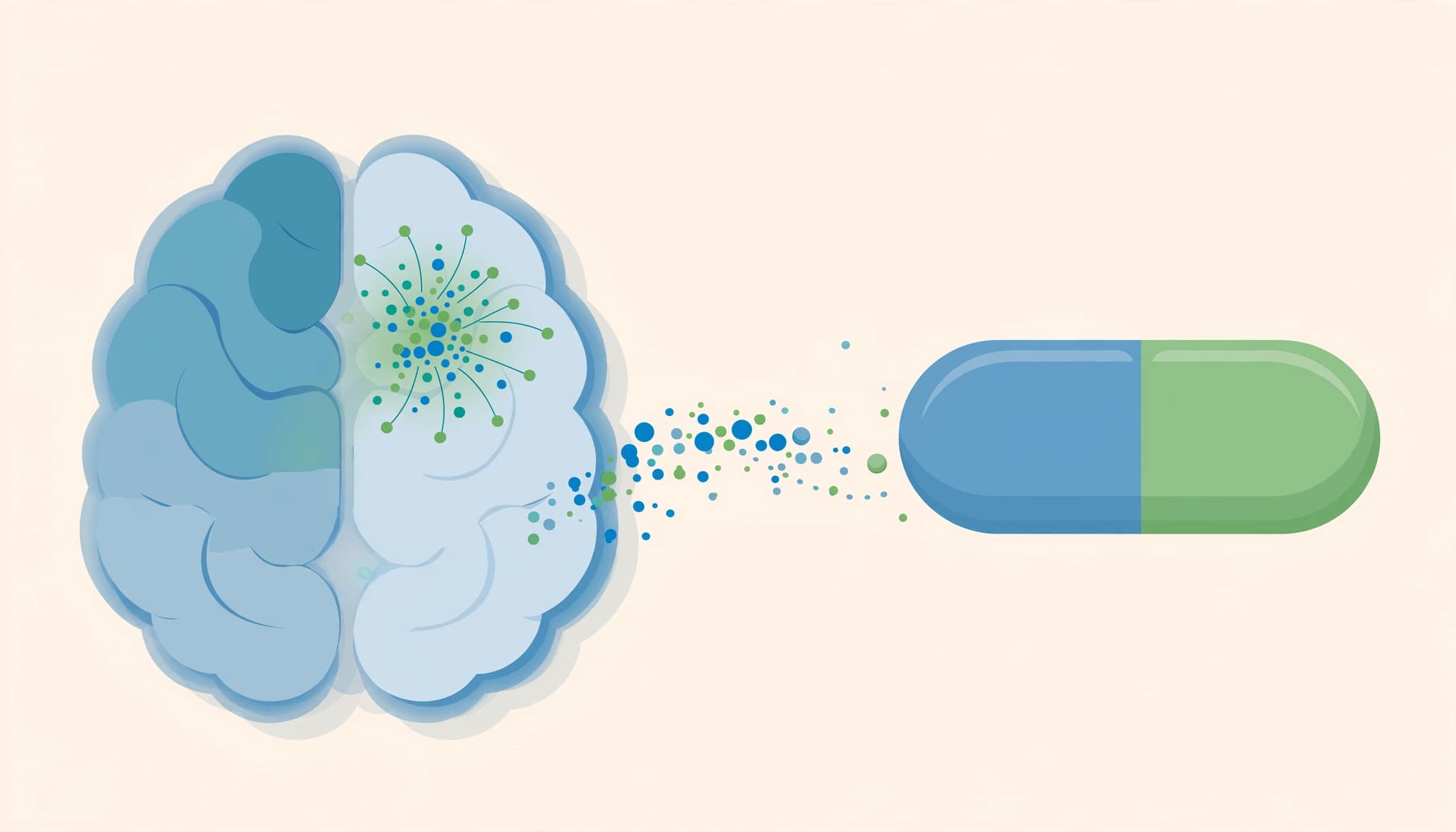
Parkinson's disease medications improve movement by replacing dopamine, stimulating its receptors, or slowing its breakdown. Carbidopa-levodopa remains the most effective treatment for movement symptoms, while other medicines address milder symptoms, wearing-off, or involuntary movements. Treatment

Oct 18, 2026
On a prescription, "take as needed" means taking prescription medication only when the specified symptom or situation occurs. Take it as directed, following the prescribed dose, minimum interval, and maximum daily limit. The abbreviation PRN comes from the Latin pro re nata, meaning "as needed." Und

Oct 17, 2026
Heart failure medications reduce strain on the heart, control fluid buildup, and lower the risk of hospitalization. Several drug classes also improve survival in people with reduced ejection fraction, although medicines don't cure heart failure. Treatment usually combines medicines because each addr