U.S. Orders: Processing & Shipping as Normal.Read More
Logo
78 people bought recently
Zoom

Entresto

Generic
Be the first to write a review
Active ingredient:Sacubitril/Valsartan
Entresto is a prescription medication designed to enhance heart function in individuals with chronic heart failure. By combining two active ingredients, it works to relax blood vessels, improve blood flow, and reduce strain on the heart, helping to manage symptoms and improve quality of life. Ideal for patients seeking a reliable solution for long-term heart health management. Always consult with a healthcare provider for personalized advice.

USD $34.62

1

Compare Medicines With the Same Generic Name

Products matching the full generic name: Sacubitril/Valsartan

Share

Active ingredient
Sacubitril/Valsartan
Pack Qty
30
Pack Size
Other
Prescription
Required (Rx)
Dispensing Country
IndiaIndia

What is Sacubitril/Valsartan?

Sacubitril/Valsartan is a combination medication used primarily for the treatment of chronic heart failure with reduced ejection fraction (HFrEF). It contains two active components:

  • Sacubitril, a prodrug that is converted to an active neprilysin inhibitor (LBQ657)
  • Valsartan, an angiotensin II receptor blocker (ARB)

This unique combination is known as an Angiotensin Receptor-Neprilysin Inhibitor (ARNI).

Reference: McMurray et al., NEJM 2014


What are the other popular names for Sacubitril/Valsartan?

Sacubitril/Valsartan is most commonly marketed under the brand name Entresto. In clinical literature, it is also referred to by its generic components—sacubitril/valsartan.

Reference: Drugs.com – Entresto


What is the drug classification of Sacubitril/Valsartan?

Sacubitril/Valsartan is classified as an Angiotensin Receptor-Neprilysin Inhibitor (ARNI). It falls under the broader category of disease‑modifying antirheumatic drugs (DMARDs) in heart failure management, specifically aimed at reducing cardiovascular morbidity and mortality in patients with HFrEF.

Reference: American College of Cardiology Guidelines


What is the mode of action of Sacubitril/Valsartan?

Sacubitril/Valsartan exerts its therapeutic effect through a dual mechanism:

  • Neprilysin Inhibition (Sacubitril Component): Sacubitril is converted to LBQ657, which inhibits neprilysin. Neprilysin is an enzyme responsible for degrading natriuretic peptides, bradykinin, and other vasoactive substances. Inhibition increases the levels of these peptides, promoting vasodilation, natriuresis, and diuresis, and reducing cardiac remodeling.
  • Angiotensin II Receptor Blockade (Valsartan Component): Valsartan selectively blocks the angiotensin II type‑1 (AT1) receptor, thereby reducing vasoconstriction, aldosterone secretion, and adverse remodeling.

Together, these actions lower blood pressure, decrease cardiac workload, and improve overall cardiovascular outcomes.

Reference: McMurray et al., NEJM 2014, FDA Entresto Label


How is Sacubitril/Valsartan used?

Sacubitril/Valsartan is indicated for:

  • Chronic HFrEF: It is used in adult patients with symptomatic chronic heart failure (NYHA class II–IV) to reduce the risk of cardiovascular death and heart failure hospitalization.
  • It is recommended as an adjunct to standard heart failure therapy and is typically used in patients who have been stabilized on ACE inhibitors or ARBs (with an appropriate washout period when switching).

Reference: FDA Entresto Prescribing Information


What is the recommended dosage and administration for Sacubitril/Valsartan?

  • Starting Dose: Patients not previously on an ACE inhibitor or ARB typically start at 49/51 mg twice daily.
  • Titration: The dose is usually increased to 97/103 mg twice daily as tolerated to achieve optimal therapeutic benefits.
  • Administration: The medication is taken orally, with or without food. If transitioning from an ACE inhibitor, a washout period of 36 hours is required to reduce the risk of angioedema.

Reference: FDA Entresto Label


What prescribing information is important for Sacubitril/Valsartan?

  • Indications: Sacubitril/Valsartan is indicated for reducing the risk of cardiovascular death and heart failure hospitalization in patients with HFrEF.
  • Contraindications: It is contraindicated in patients with a history of angioedema related to ACE inhibitor or ARB therapy, and those with concomitant use of ACE inhibitors.
  • Patient Selection: It is essential to assess renal function, electrolytes, and blood pressure before and during therapy.
  • Monitoring: Regular monitoring of kidney function, serum potassium, liver enzymes, and blood pressure is required.

Reference: American Heart Association Guidelines


What are the safety information, warnings, and cautions for Sacubitril/Valsartan?

  • Safety Information:
    • Common adverse reactions include hypotension, hyperkalemia, renal impairment, cough, and dizziness.
  • Warnings & Cautions:
    • Angioedema Risk: There is an increased risk of angioedema, particularly in patients with a history of angioedema from ACE inhibitors.
    • Hypotension: Caution is advised in patients with low baseline blood pressure.
    • Renal Function: Monitor renal function as deterioration may occur, particularly in patients with preexisting renal impairment.
    • Hyperkalemia: Elevated potassium levels can occur; periodic monitoring is essential.
    • Drug Interactions:
      • ACE Inhibitors: Concomitant use is contraindicated.
      • Potassium-Sparing Diuretics and Supplements: May increase the risk of hyperkalemia.
      • NSAIDs: May impair renal function and reduce the antihypertensive effect.

Reference: FDA Entresto Safety Information, McMurray et al., NEJM 2014


What additional drug interactions should be considered with Sacubitril/Valsartan?

  • CYP450 Enzyme Interactions: Although Sacubitril/Valsartan is not primarily metabolized by CYP enzymes, caution is warranted with medications that may alter blood pressure or renal function.
  • Other Antihypertensives: Concomitant use with other blood pressure–lowering agents (such as calcium channel blockers or beta-blockers) may enhance hypotensive effects.
  • Diuretics: Use with loop or thiazide diuretics requires monitoring for electrolyte disturbances and volume depletion.

Reference: Clinical Pharmacology Reviews, ACR Guidelines, 2023


Where can I learn more about Sacubitril/Valsartan and its clinical evidence?

For further details on clinical studies, dosing guidelines, and safety monitoring, healthcare professionals and patients can refer to:

Reference: McMurray, J. J. V. et al. “Angiotensin–Neprilysin Inhibition versus Enalapril in Heart Failure.” NEJM, 2014.


Final Thoughts

Sacubitril/Valsartan (Entresto) is a groundbreaking ARNI that offers significant benefits for patients with chronic HFrEF. By combining the neprilysin inhibitor sacubitril with the ARB valsartan, it effectively reduces triglyceride levels, lowers blood pressure, and decreases the risk of major cardiovascular events. Supported by robust clinical evidence from the PARADIGM‑HF trial, Sacubitril/Valsartan represents a major advancement in heart failure management. However, due to its potential risks—including angioedema, hypotension, and hyperkalemia—it must be used under strict medical supervision with regular monitoring for adverse effects and drug interactions.

Disclaimer: This information is provided for educational purposes only and should not replace professional medical advice. Always consult with your healthcare provider before initiating or modifying any medication regimen.

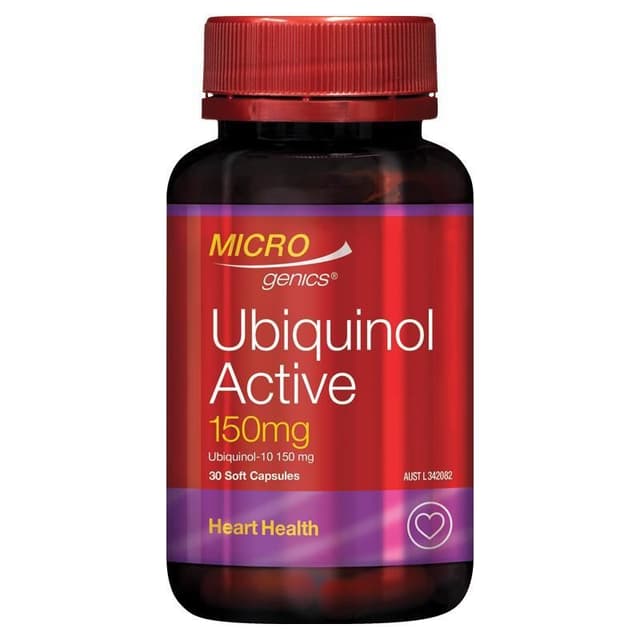
BrandMicrogenics Ubiquinol Active 150mg 30 Soft Capsules

Microgenics Ubiquinol Active 150mg 30 Soft Capsules

Active Ingredient: Ubiquinol-10 150mg Contains no added: Wheat, gluten, dairy products, egg, artificial flavours. Encapsulated in New Zealand from imported ingredients

Unit: 150mg | Pack: Capsule

USD $39.49

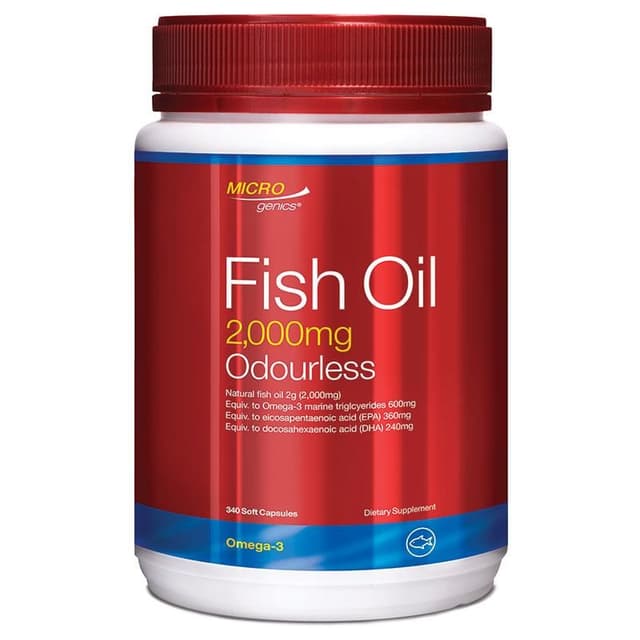
BrandMicrogenics Fish Oil 2000mg Odourless 340 Capsules

Microgenics Fish Oil 2000mg Odourless 340 Capsules

Active Ingredient: Natural fish oil - 2g (2,000mg) Equiv. to Omega-3 marine triglycerides - 600mg Equiv. to eicosapentaenoic acid (EPA) - 360mg Equiv. to docosahexaenoic acid (DHA) - 240mg

Unit: 2000mg | Pack: Capsule

USD $69.99

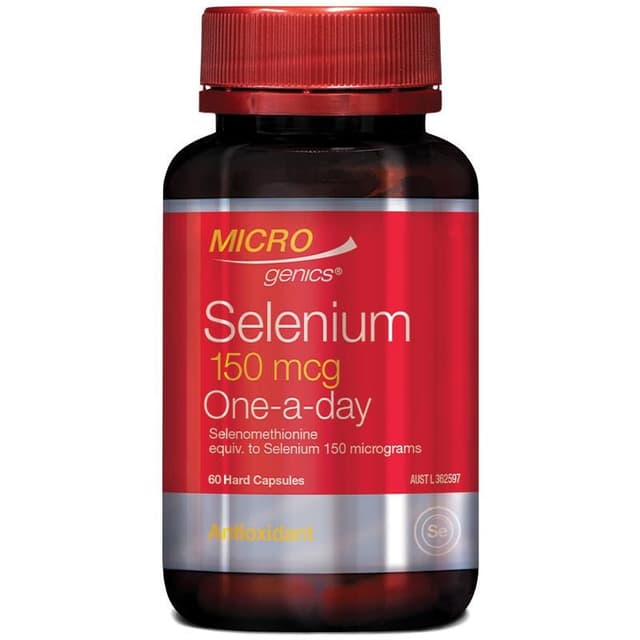
BrandMicrogenics Selenium 150mcg One A Day 60 Capsules

Microgenics Selenium 150mcg One A Day 60 Capsules

Active Ingredient: Selenomethionine 372.6 micrograms Equiv. to Selenium 150 micrograms

Unit: 60 capsules | Pack: Capsule

USD $18.49

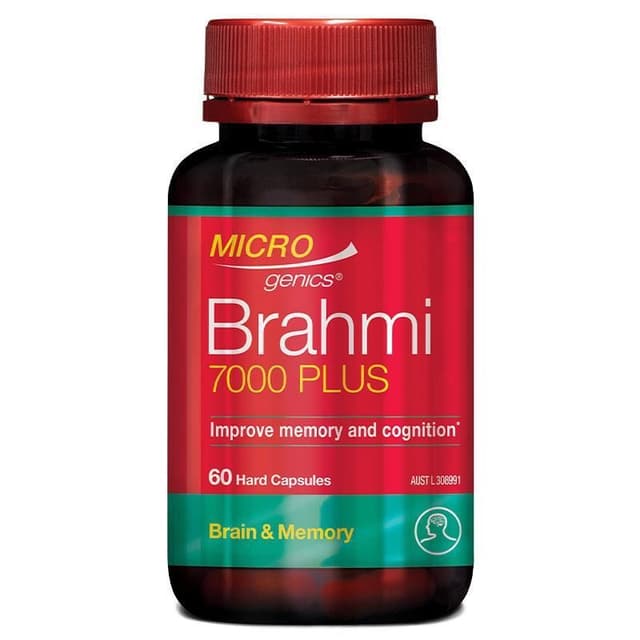
BrandMicrogenics Brahmi 7000 Plus 60 Capsules

Microgenics Brahmi 7000 Plus 60 Capsules

Active Ingredient: Extracts equiv. to dry: Bacopa monnieri (Brahmi) leaf - 7g (7,000mg) Ginkgo biloba (Ginkgo) leaf - 2g (2,000mg) Schisandra chinensis (Schisandra) fruit - 500mg Panax ginseng (Korean ginseng) root - 500mg

Unit: 60 capsules | Pack: Capsule

USD $22.49

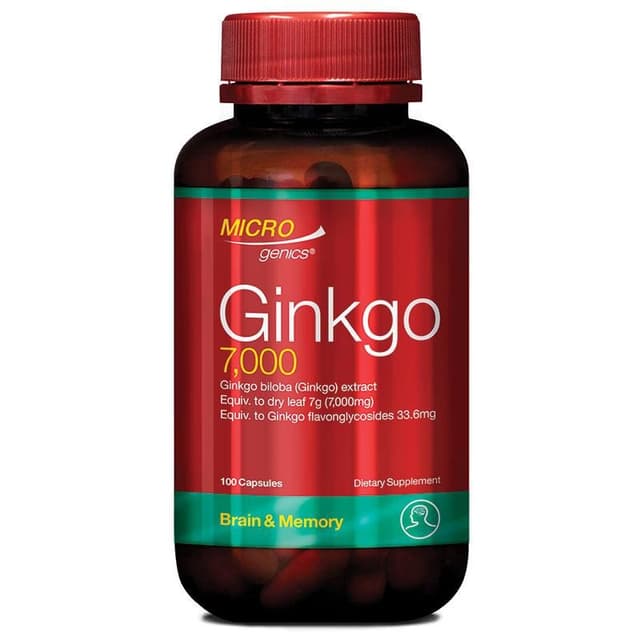
BrandMicrogenics Ginkgo 7000 100 Capsules

Microgenics Ginkgo 7000 100 Capsules

Active Ingredient: Ginkgo biloba (Ginkgo) dry extract Equiv. to dry leaf 7g (7,000mg) Equiv. to Gingko flavonglycosides - 33.6mg

Unit: 100 capsules | Pack: Capsule

USD $21.49

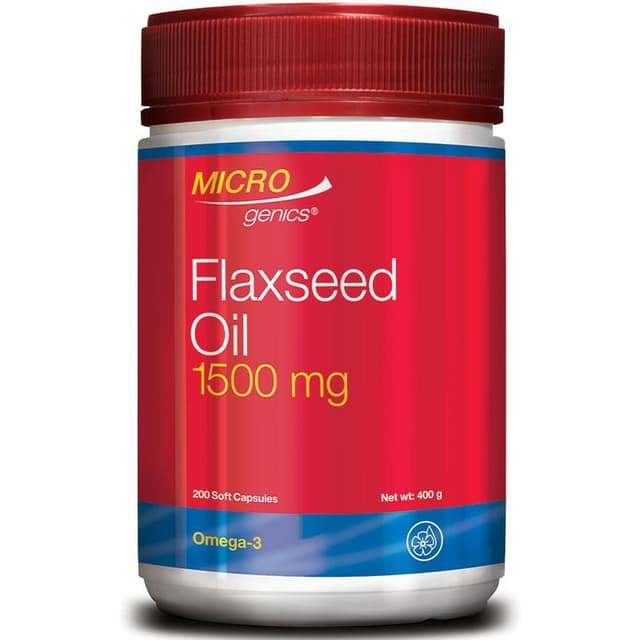
BrandMicrogenics Flaxseed Oil 1500mg 200 Capsules

Microgenics Flaxseed Oil 1500mg 200 Capsules

Active Ingredient: Organic Flaxseed Oil 1.5 g Organic Flaxseed Oil (75%), Gelatin, Glycerol, Water, Colour (Caramel)

Unit: 1500mg | Pack: Capsule

USD $28.99

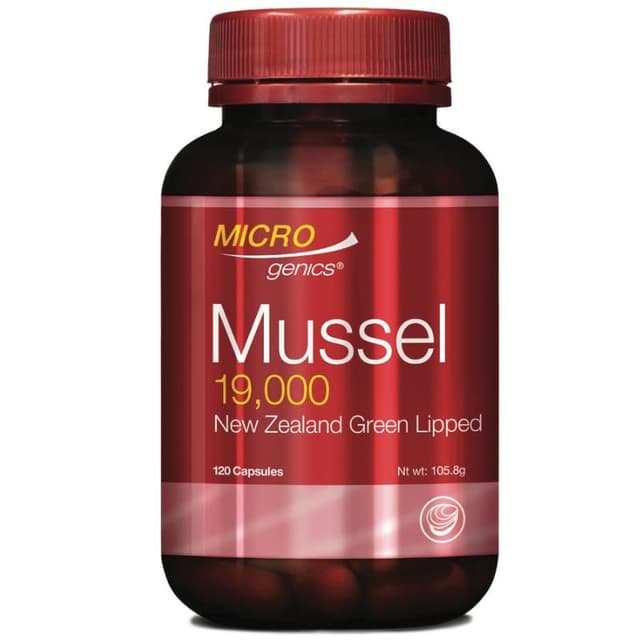
BrandMicrogenics Mussel 19000 New Zealand Green Lipped 120 Capsules

Microgenics Mussel 19000 New Zealand Green Lipped 120 Capsules

Unit: 120 capsules | Pack: Capsule

USD $28.49

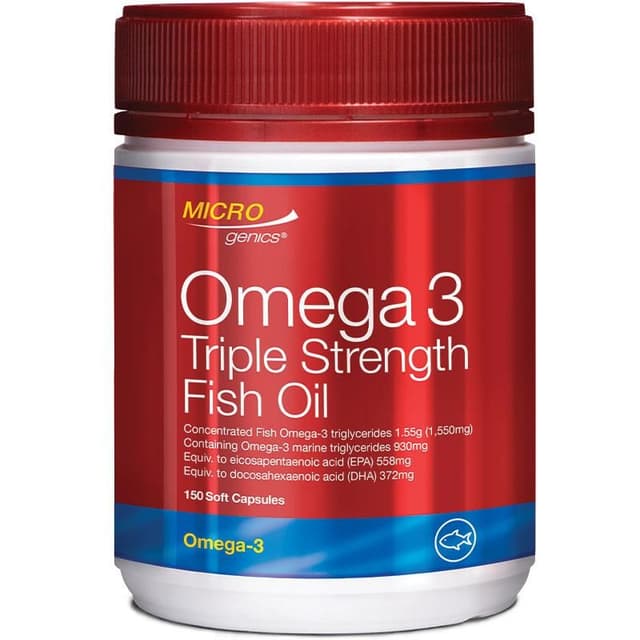
BrandMicrogenics Omega 3 Triple Strength Fish Oil 150 Capsules

Microgenics Omega 3 Triple Strength Fish Oil 150 Capsules

Active Ingredient: INGREDIENTS (per capsule) Concentrated Fish Omega-3 Triglycerides 1.55g (1,550mg) Containing Omega-3 marine triglycerides 930mg Equiv. to eicosapentaenoic acid (EPA) 558mg Equiv. to docosahexaenoic acid (DHA) 372mg

Unit: 150 capsules | Pack: Capsule

USD $56.49

Health Guides

Health Guides Related to Entresto

CBD drug interactions: Prescription Medicines to Check

Nov 07, 2026

CBD drug interactions: Prescription Medicines to Check

CBD can interact with prescription medicines by changing drug breakdown or adding to effects such as drowsiness. Some CBD drug interactions require blood tests or medication adjustments, while others remain theoretical rather than proven in patients. The strongest evidence concerns particular medici

Blood Pressure Medication Dizziness on Standing

Nov 05, 2026

Blood Pressure Medication Dizziness on Standing

Blood pressure medicines can cause dizziness on standing because they reduce the body's ability to maintain pressure against gravity. The resulting drop can briefly reduce blood flow to the brain, a condition called orthostatic hypotension. Blood pressure medication dizziness often appears after t

Biotin Blood Test Interference: Thyroid and Heart Risks

Nov 04, 2026

Biotin Blood Test Interference: Thyroid and Heart Risks

Biotin supplements can interfere with thyroid and heart blood tests, producing falsely high or unexpectedly low results. This interference affects certain laboratory methods rather than the actual hormone or cardiac-marker concentration being measured. The greatest danger is a falsely low troponin r

ADHD Medication Monitoring: Appetite, Sleep, Blood Pressure

Nov 02, 2026

ADHD Medication Monitoring: Appetite, Sleep, Blood Pressure

ADHD medication monitoring tracks blood pressure, heart rate, body mass, appetite and sleep before treatment, during dose adjustments and throughout long-term care. For adults, NICE recommends pulse and blood pressure checks before and after each dose change, then every six months. The aim is to pre

Baricitinib Safety: Risks, Lab Tests, and When to Call

Nov 01, 2026

Baricitinib Safety: Risks, Lab Tests, and When to Call

Baricitinib safety depends on infection screening, blood tests, and prompt evaluation of new symptoms. The main concerns are serious infections, shingles, blood clots, cancer, and cardiovascular events. Blood counts, liver and kidney function, and cholesterol help guide treatment. Historical rheumat

Tacrolimus Monitoring: Why Blood Levels and Timing Matter

Oct 30, 2026

Tacrolimus Monitoring: Why Blood Levels and Timing Matter

Tacrolimus monitoring measures the tacrolimus level in whole blood to help balance organ rejection prevention against drug-related toxic effects. The result is useful only when interpreted against the dose and formulation. A routine trough sample is collected immediately before the next dose, usuall

Lithium Monitoring: Blood Tests and Safety Checks

Oct 28, 2026

Lithium Monitoring: Blood Tests and Safety Checks

Lithium monitoring combines timed blood levels with kidney, thyroid, and calcium tests to keep bipolar treatment effective and reduce toxicity risk. Testing starts before treatment and continues throughout it. Lithium has a narrow therapeutic index, so relatively small changes in blood concentration

Vitamin B12 Deficiency: Symptoms, Tests and Supplements

Oct 23, 2026

Vitamin B12 Deficiency: Symptoms, Tests and Supplements

Vitamin B12 deficiency can cause anemia, fatigue and nerve damage, but symptoms alone can't confirm the diagnosis. Blood tests help establish whether B12 is low and whether poor intake or impaired absorption explains the result. Early treatment matters because neurological damage can become permanen
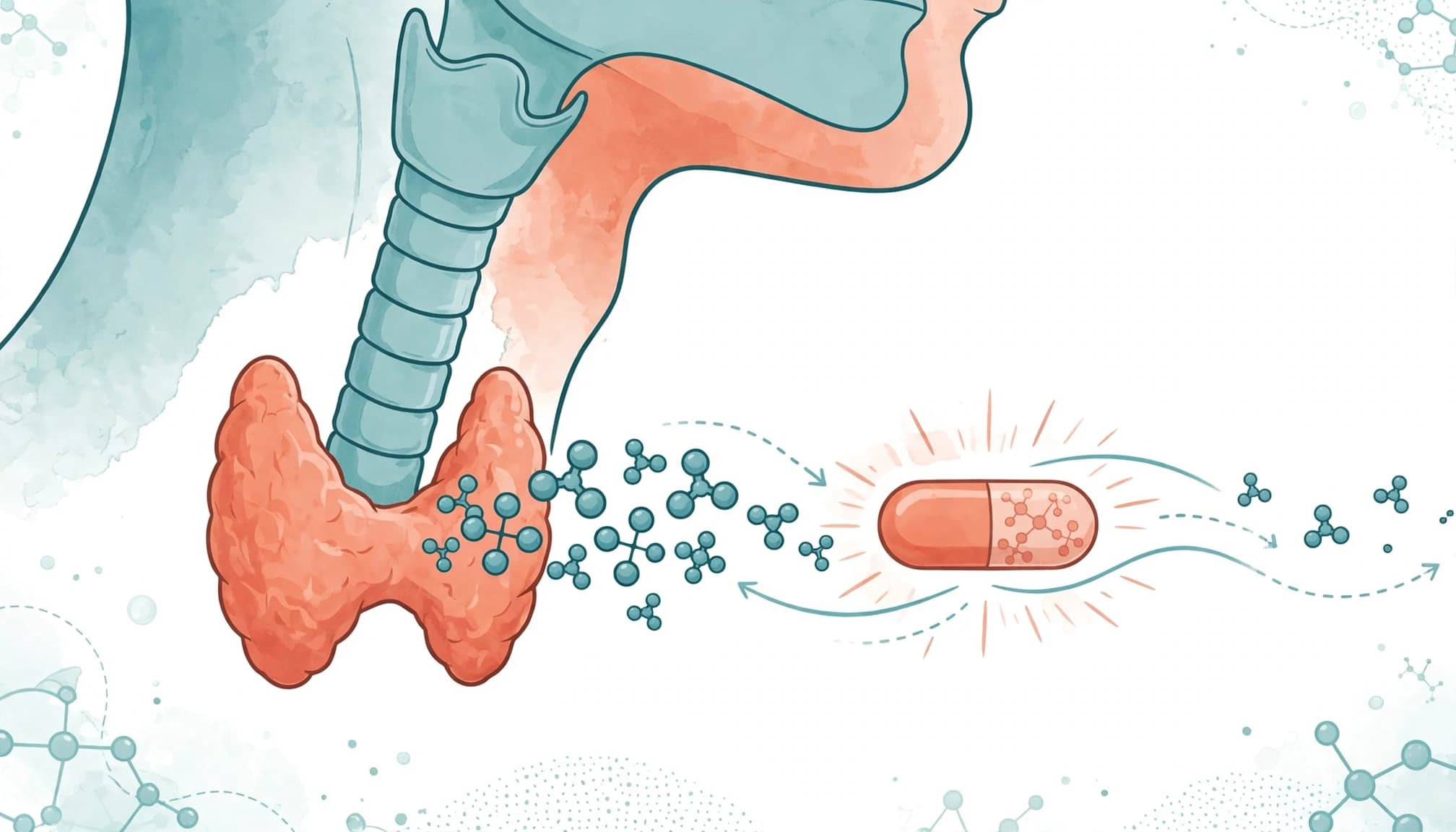
Methimazole for Hyperthyroidism: Tests, Doses, Safety

Oct 20, 2026

Methimazole for Hyperthyroidism: Tests, Doses, Safety

Methimazole for hyperthyroidism reduces excess thyroid hormone production without destroying the thyroid gland. Treatment usually starts with a higher dose, followed by blood-test-guided reductions as hormone levels return to normal. This guide to methimazole hyperthyroidism treatment covers testing

Atrial Fibrillation Medications: A Three-Goal Guide

Oct 19, 2026

Atrial Fibrillation Medications: A Three-Goal Guide

Atrial fibrillation medications address three goals: rate control for a fast heart rate, rhythm control for an abnormal rhythm, and stroke prevention with anticoagulants that reduce blood clots. For atrial fibrillation, the regimen depends on stroke risk, heart and kidney function, and other prescri