Logo
76 people bought recently
Zoom

Levophed 2mg Injection

Generic
Be the first to write a review
Active ingredient:Sterile Noradrenalin I.V Use Only

USD $22.80

Levophed 2mg Injection is a critical care medication used to treat life-threatening low blood pressure, often in emergency situations. It acts as a powerful vasoconstrictor to help restore and maintain adequate blood circulation. Ideal for healthcare professionals in hospital settings, this injection is essential for managing acute hypotensive states and ensuring patient stability during critical care.
1

Share

Active ingredient
Sterile Noradrenalin I.V Use Only
Pack Size
Injection
Prescription
Required (Rx)
Dispensing Country
IndiaIndia

Medicine Description: Norepinephrine

Overview

Norepinephrine, also known as noradrenaline, is a powerful vasopressor medication used to manage acute hypotension and shock, especially in critical care settings. It works by constricting blood vessels and increasing blood pressure, which is vital in emergency situations. This medication is administered intravenously under strict medical supervision and is considered a life-saving drug in cases of severe hypotension.

What is Norepinephrine?

Norepinephrine is a potent vasoconstrictor used primarily to treat life-threatening hypotension (low blood pressure) and shock. It is especially effective in patients with septic shock, cardiogenic shock, or other forms of severe hypotension that do not respond to standard treatments. Norepinephrine is administered through an intravenous drip and requires continuous monitoring in a hospital setting due to its powerful effects on the cardiovascular system.

Norepinephrine Drug Class and Categories

Drug Class: Sympathomimetic Agent, Vasopressor

Categories:

  • Critical Care Medications
  • Cardiovascular Agents
  • Catecholamines

Active Ingredient in Norepinephrine

The active ingredient in Norepinephrine is norepinephrine bitartrate. It is a synthetic form of the naturally occurring neurotransmitter and hormone norepinephrine, which plays a crucial role in the body's fight-or-flight response.

Popular and Other Names

  • Brand Names: Levophed
  • Generic Name: Norepinephrine
  • Other Names: Noradrenaline, Norepinephrine Bitartrate

Mode of Action

Norepinephrine works by binding to alpha-adrenergic receptors on blood vessels, causing them to constrict. This vasoconstriction increases systemic vascular resistance and, consequently, blood pressure. It also has minor beta-adrenergic effects, which can increase cardiac output by enhancing heart rate and contractility. These combined actions make norepinephrine highly effective in restoring adequate blood pressure and tissue perfusion in critical care settings.

How to Use Norepinephrine

Norepinephrine is administered intravenously, typically through a central venous catheter to ensure accurate dosing and reduce the risk of extravasation. It is given as a continuous infusion, with the dosage carefully titrated based on the patient's blood pressure response and clinical condition. Due to its potent effects, norepinephrine should only be used under close medical supervision in a hospital's intensive care unit (ICU) or emergency department.

Recommended Dosage

  • Initial Dose: Start with an infusion rate of 8-12 mcg/min.
  • Maintenance Dose: Titrate the infusion rate to maintain desired blood pressure, usually between 2-4 mcg/min.
  • Maximum Dose: There is no absolute maximum dose, as it is adjusted based on patient response and clinical needs.
  • Important Note: The dosage should be individualized based on the patient’s condition, and adjustments should be made carefully to avoid excessive vasoconstriction.

Directions for Use

  • Administer norepinephrine as a continuous intravenous infusion using a calibrated infusion pump.
  • Start with a low dose and gradually increase as needed, based on blood pressure response and overall clinical condition.
  • Monitor blood pressure, heart rate, and peripheral perfusion continuously during administration.
  • Avoid abrupt discontinuation to prevent a rapid drop in blood pressure. Gradually taper the dose as the patient's condition stabilizes.

Cautions

  • Extravasation Risk: Norepinephrine can cause tissue damage if it leaks out of the vein (extravasation). Always administer through a central line when possible.
  • Pre-existing Conditions: Use with caution in patients with heart disease, hyperthyroidism, or hypertension, as it may exacerbate these conditions.
  • Interactions: Avoid using with monoamine oxidase inhibitors (MAOIs) or tricyclic antidepressants, as these can enhance the hypertensive effects of norepinephrine.
  • Pregnancy and Breastfeeding: Use during pregnancy or breastfeeding only if clearly needed and under strict medical supervision.

Managing Side Effects

  • Common Side Effects: Headache, dizziness, palpitations, and anxiety. These symptoms are usually mild and resolve once the medication is stopped or the dose is reduced.
  • Severe Side Effects: Hypertension, arrhythmias, bradycardia, and extravasation-related tissue damage. Immediate medical intervention is required for severe side effects.
  • Managing Extravasation: If extravasation occurs, stop the infusion immediately and administer phentolamine subcutaneously around the affected area to prevent tissue necrosis.

Guidelines

  • Use norepinephrine with extreme caution and under close supervision, ideally in an ICU setting.
  • Regularly monitor vital signs, including blood pressure, heart rate, and perfusion status, to adjust the infusion rate as needed.
  • Ensure the patient is adequately hydrated before and during norepinephrine administration to optimize response.
  • Educate healthcare providers about the signs of extravasation and the appropriate management strategies.

Frequently Asked Questions

1. What is Norepinephrine used for? Norepinephrine is used to treat severe hypotension and shock, particularly in patients who do not respond to other treatments. It is commonly used in cases of septic shock and cardiogenic shock.

2. How does Norepinephrine increase blood pressure? Norepinephrine increases blood pressure by causing vasoconstriction, which raises systemic vascular resistance. It also has minor effects on heart rate and contractility, enhancing cardiac output.

3. What are the side effects of Norepinephrine? Common side effects include headache, dizziness, and palpitations. Severe side effects may include hypertension, arrhythmias, and extravasation-related tissue damage.

4. How is Norepinephrine administered? Norepinephrine is administered as a continuous intravenous infusion, typically through a central line, with careful monitoring of blood pressure and other vital signs.

5. Can Norepinephrine be used in pregnancy? Norepinephrine should only be used in pregnancy if clearly needed and under strict medical supervision, as its effects on the fetus are not fully understood.

6. How long does it take for Norepinephrine to work? Norepinephrine acts rapidly, usually within minutes of starting the infusion, making it highly effective in emergency situations.

7. Is there a maximum dose for Norepinephrine? There is no fixed maximum dose; the infusion rate is adjusted based on the patient’s blood pressure response and clinical condition.

8. What should be done in case of Norepinephrine extravasation? If extravasation occurs, stop the infusion immediately and administer phentolamine around the affected area to prevent tissue damage.

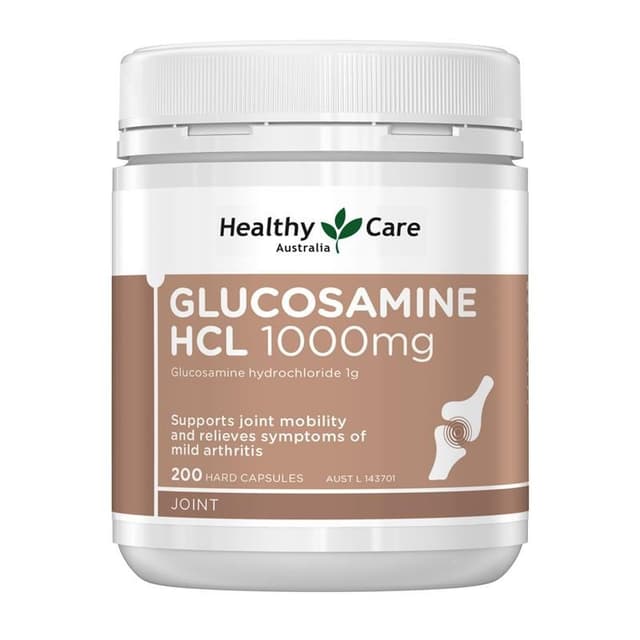
BrandHealthy Care Glucosamine HCL 1000mg 200 Capsules

Healthy Care Glucosamine HCL 1000mg 200 Capsules

Active Ingredient: Contains Crustacean products and Sulfites. Allergen Contains: Crustacean| Sulphites

Unit: 1000mg | Pack: Capsule

USD $25.49

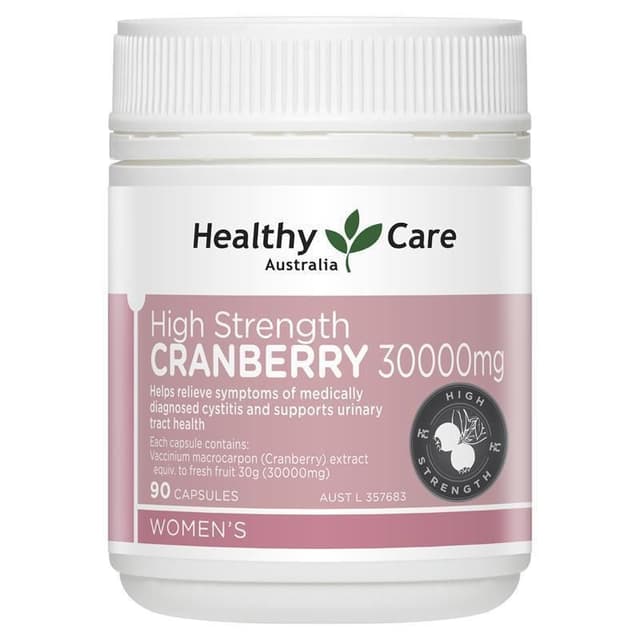
BrandHealthy Care High Strength Cranberry 30000mg 90 Capsules

Healthy Care High Strength Cranberry 30000mg 90 Capsules

Active Ingredient: Vaccinium macrocarpon (Cranberry) extract equiv. to fresh fruit 30g (30000mg)

Unit: 30000mg | Pack: Capsule

USD $19.49

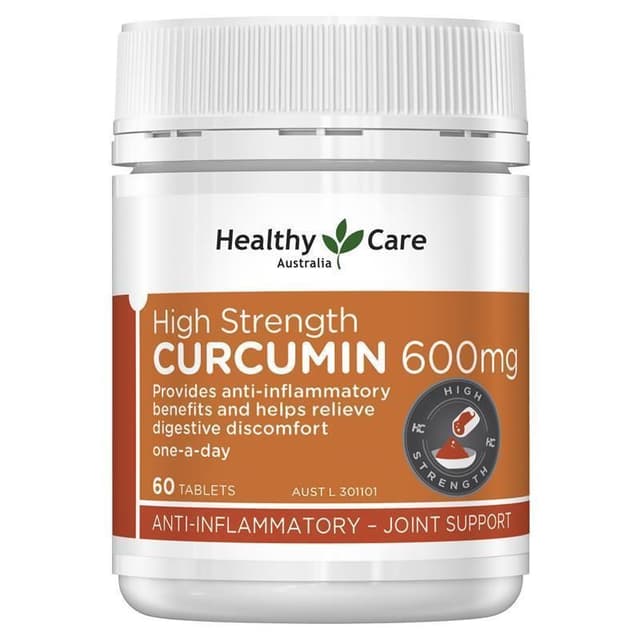
BrandHealthy Care High Strength Curcumin 600mg 60 Tablets

Healthy Care High Strength Curcumin 600mg 60 Tablets

Active Ingredient: Curcuma longa extract 631.6mg equiv. to dry rhiz 15.8g (15800mg), Containing Curcuminoids 600mg, Piper nigrum extract equiv. to dry fruit 140mg, Containing piperine 5mgCurcuma longa extract 631.6mg equiv. to dry rhiz 15.8g (15800mg), Containing Curcuminoi

Unit: 600mg | Pack: Tablet

USD $29.95

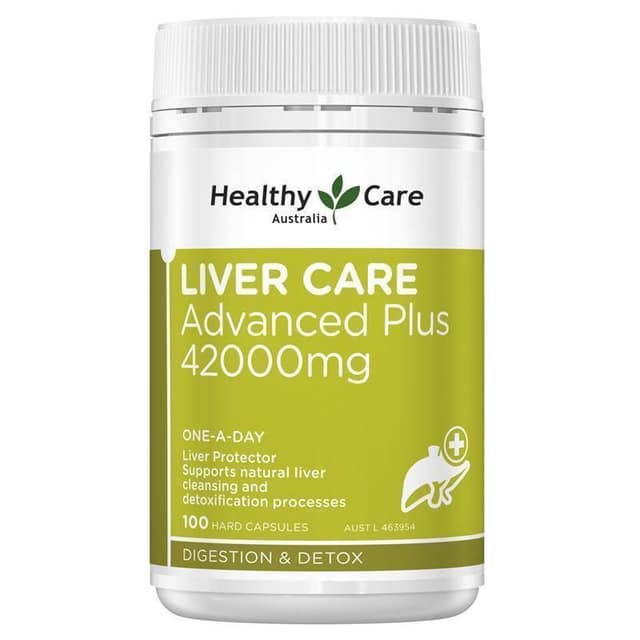
BrandHealthy Care Liver Care Advanced Plus 42000mg 100 Capsules

Healthy Care Liver Care Advanced Plus 42000mg 100 Capsules

Active Ingredient: Silybum marianum (Milk thistle) dry fruit ext. 600 mg equiv. to dry fruit 42g (min) Stand. to contain Silybin 480mg. Cynara scolymus (Globe artichoke) dry leaf ext. 100mg equiv. to dry leaf 1.5g. Taraxacum officinale (Dandelion) dry

Unit: 42000mg | Pack: Capsule

USD $34.49

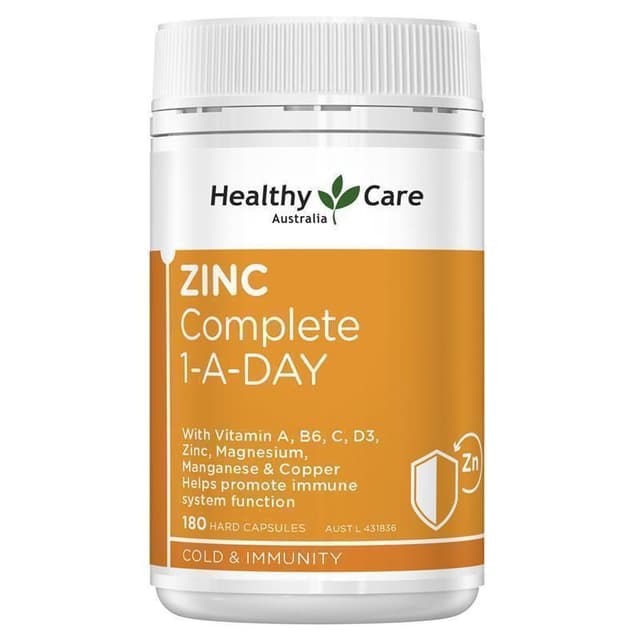
BrandHealthy Care Zinc Complete 1-A-Day 180 Capsules

Healthy Care Zinc Complete 1-A-Day 180 Capsules

Active Ingredient: Zinc amino acid chelate (Zinc 30mg) 150mg Sodium ascorbate (Ascorbic acid (Vitamin C) 50mg) 56.6mg Retinol acetate (Vitamin A 500micrograms retinol equivalents) 573.5micrograms Colecalciferol (Vitamin D3) 10micrograms Pyridoxine hyd

Unit: 180 capsules | Pack: Capsule

USD $18.49

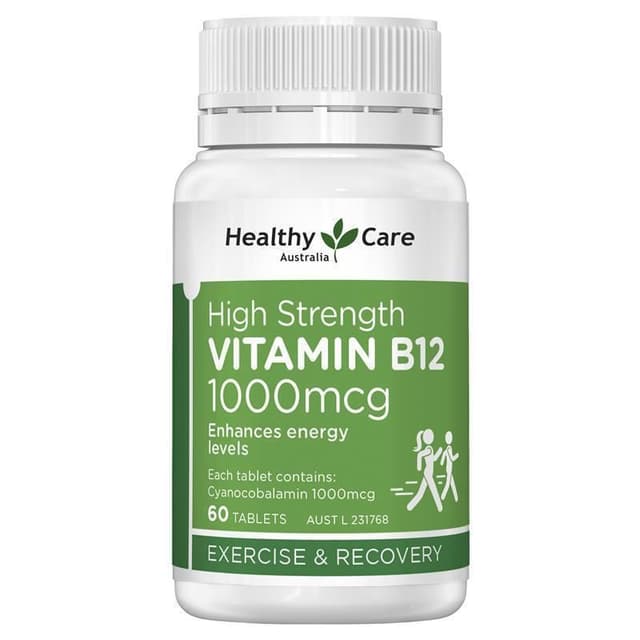
BrandHealthy Care B12 1000mcg 60 Tablets

Healthy Care B12 1000mcg 60 Tablets

Active Ingredient: Cyanocobalamin (Vitamin B12) 1000 micrograms

Unit: 60 tablets | Pack: Tablet

USD $15.49

BrandHealthy Care L-Theanine + Ashwagandha + Magnesium Glycinate 60 Tablets

Healthy Care L-Theanine + Ashwagandha + Magnesium Glycinate 60 Tablets

Active Ingredient: Theanine (AlphaWave®? L-Theanine) 200mg Withania somnifera (Ashwagandha) dry root extract 180mg equiv. to dry root 8.1g Magnesium Glycinate 714.29mg equiv. to Magnesium 100mg

Unit: 60 tablets | Pack: Tablet

USD $35.49

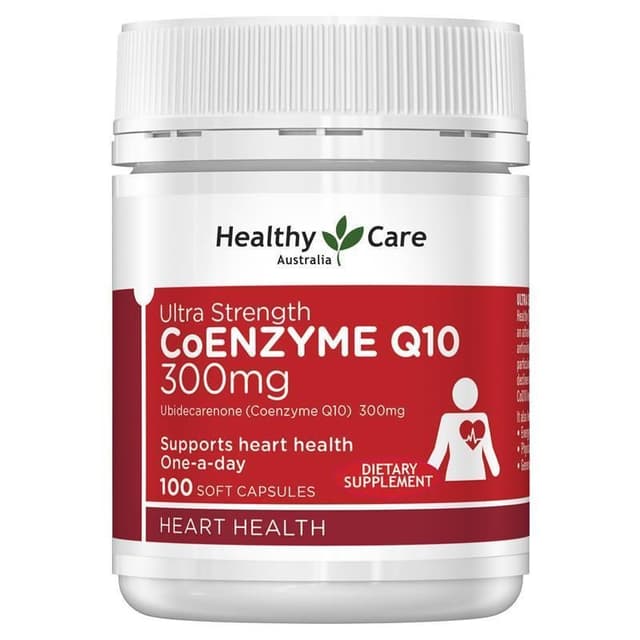
BrandHealthy Care CoQ10 300mg Ultra Strength 100 Capsules

Healthy Care CoQ10 300mg Ultra Strength 100 Capsules

Active Ingredient: Ultra Strength Coenzyme Q10 300mg Ubidecarenone (Coenzyme Q10) 300mg Supports heart health

Unit: 300mg | Pack: Capsule

USD $48.49

Health Guides

Health Guides Related to Levophed 2mg Injection

A Safe Medication Schedule for Multiple Daily Doses

Sep 21, 2026

A Safe Medication Schedule for Multiple Daily Doses

Multiple daily doses turn an ordinary routine into a safety task. A missed tablet, an extra dose, or an over-the-counter product added without review can cause harm, especially for people managing heart disease, diabetes, transplants, epilepsy, or cancer treatment with prescription medications. A sa

Counterfeit Medicines: How to Spot Them Before the First Dose

Sep 19, 2026

Counterfeit Medicines: How to Spot Them Before the First Dose

Counterfeit medicines may contain the wrong substance, too little or no active ingredient, or harmful contaminants. Counterfeit drugs can look convincing, but appearance alone can't confirm authenticity. If a medicine seems suspicious: pause, and don't take or share it. Verify the pharmacy and pres

How to Read a Prescription Label Before Taking Your First Dose

Sep 18, 2026

How to Read a Prescription Label Before Taking Your First Dose

The first dose is when a prescription label deserves careful attention. A first-time user should verify the patient, medication identity, strength, dosage form, route, timing, warnings, and storage directions before taking it. Before taking prescription medicine, use the medication label to confirm

Accessible Medication Packaging for Everyday Use

Sep 16, 2026

Accessible Medication Packaging for Everyday Use

A medicine container can become a daily barrier when a label is hard to read or a cap requires painful force to open, especially for people with inflammatory arthritis. Accessible medication packaging combines clear information, tactile cues, manageable opening methods, and safety features so people

How Caregivers Create a Medication Emergency Card

Sep 15, 2026

How Caregivers Create a Medication Emergency Card

An emergency department visit often begins with basic questions that become difficult under stress: What medicines does the person take? What caused a past allergic reaction? Which clinician and pharmacy can confirm the details? An emergency medical card is a wallet sized card with essential emergen

Sharps Disposal: Safe Ways to Handle Used Needles

Sep 12, 2026

Sharps Disposal: Safe Ways to Handle Used Needles

A used needle can injure a family member, sanitation workers, recycling sorters, or waste collectors long after a medication dose is finished. Sharps disposal starts at the point of use. Place every needle, syringe, lancet, or pen needle directly into an approved sharps container. Never leave a shar

Prescription Delivery Privacy for Home Medication Orders

Sep 10, 2026

Prescription Delivery Privacy for Home Medication Orders

A medicine parcel can expose more than a delivery address. Labels, tracking alerts, driver apps, door photos, or a package left in view may reveal that someone receives prescription medicine. Patients can request plain or discreet packaging, use a private delivery address or secure pickup location,

Dry Eye Disease: Prevention and Treatment Guide

Sep 02, 2026

Dry Eye Disease: Prevention and Treatment Guide

Dry eye disease is a multifactorial condition caused by an unstable tear film, excess evaporation, reduced tear production, or both. It is an informational topic with safety and treatment-choice implications, since persistent irritation can resemble other eye conditions. This guide covers symptoms,

International Prescription Shipping: Customs Questions to Check

Sep 02, 2026

International Prescription Shipping: Customs Questions to Check

A prescription can be valid, medically necessary, and properly paid for, yet still be delayed or refused at the border. International prescription shipping depends on the destination country's import law, the medicine's legal classification, the amount ordered, and the paperwork accompanying the par

LDL HDL Triglycerides: A Clear Guide to Heart Health

Aug 31, 2026

LDL HDL Triglycerides: A Clear Guide to Heart Health

A cholesterol screening test commonly leads to a standard assessment of LDL cholesterol, HDL cholesterol, and triglycerides. These measurements describe different forms of cholesterol and fat in the blood, so they aren't interchangeable scores. LDL can contribute to deposits in artery walls. Blood f