Express & Expedited Shipping Service
USD $69.99
 Australia
Health Guides

Nov 16, 2026
The search phrase "blood thinners bruising" reflects a common question. Yes, these medicines can cause larger, darker, or more frequent bruises because clotting takes longer. Mild bruising alone doesn't mean the medicine is too strong or the dose is wrong. Large, unexplained, or spreading bruises

Nov 14, 2026
Yes. Some cold and flu medicines raise blood pressure, particularly those with vessel-constricting ingredients or nonsteroidal anti-inflammatory drugs (NSAIDs). People with severe or uncontrolled hypertension shouldn't take vessel-constricting medicines; controlled blood pressure still warrants a me

Nov 11, 2026
Medicines can cause constipation by slowing intestinal movement, reducing digestive secretions, or allowing the bowel to absorb more water. These effects produce harder stools that become difficult to pass. Medication-induced constipation can begin after a new prescription, a dose increase, or the

Nov 09, 2026
Dose titration means adjusting the dosage gradually to reach an effective level while limiting side effects. A doctor may increase, decrease or replace the amount according to symptoms, measurements and the medicine's safety requirements. A starting dose can therefore differ from the long-term dose

Nov 04, 2026
Biotin supplements can interfere with thyroid and heart blood tests, producing falsely high or unexpectedly low results. This interference affects certain laboratory methods rather than the actual hormone or cardiac-marker concentration being measured. The greatest danger is a falsely low troponin r

Nov 03, 2026
Insulin injection sites should rotate with every dose, using a different point within a planned body area. Home injections go into subcutaneous fat under the skin, not into muscle or a vein. Repeated injections into one spot can cause lipohypertrophy, a fatty lump that makes the insulin absorption r

Nov 02, 2026
ADHD medication monitoring tracks blood pressure, heart rate, body mass, appetite and sleep before treatment, during dose adjustments and throughout long-term care. For adults, NICE recommends pulse and blood pressure checks before and after each dose change, then every six months. The aim is to pre

Oct 31, 2026
Whether to repeat a dose of an oral medication depends on the medicine, formulation, and elapsed time. Vomiting within 15 minutes or seeing an intact tablet can justify considering a replacement; after an hour, another dose is usually unnecessary. These are general timing guides, not permission to r
Oct 30, 2026
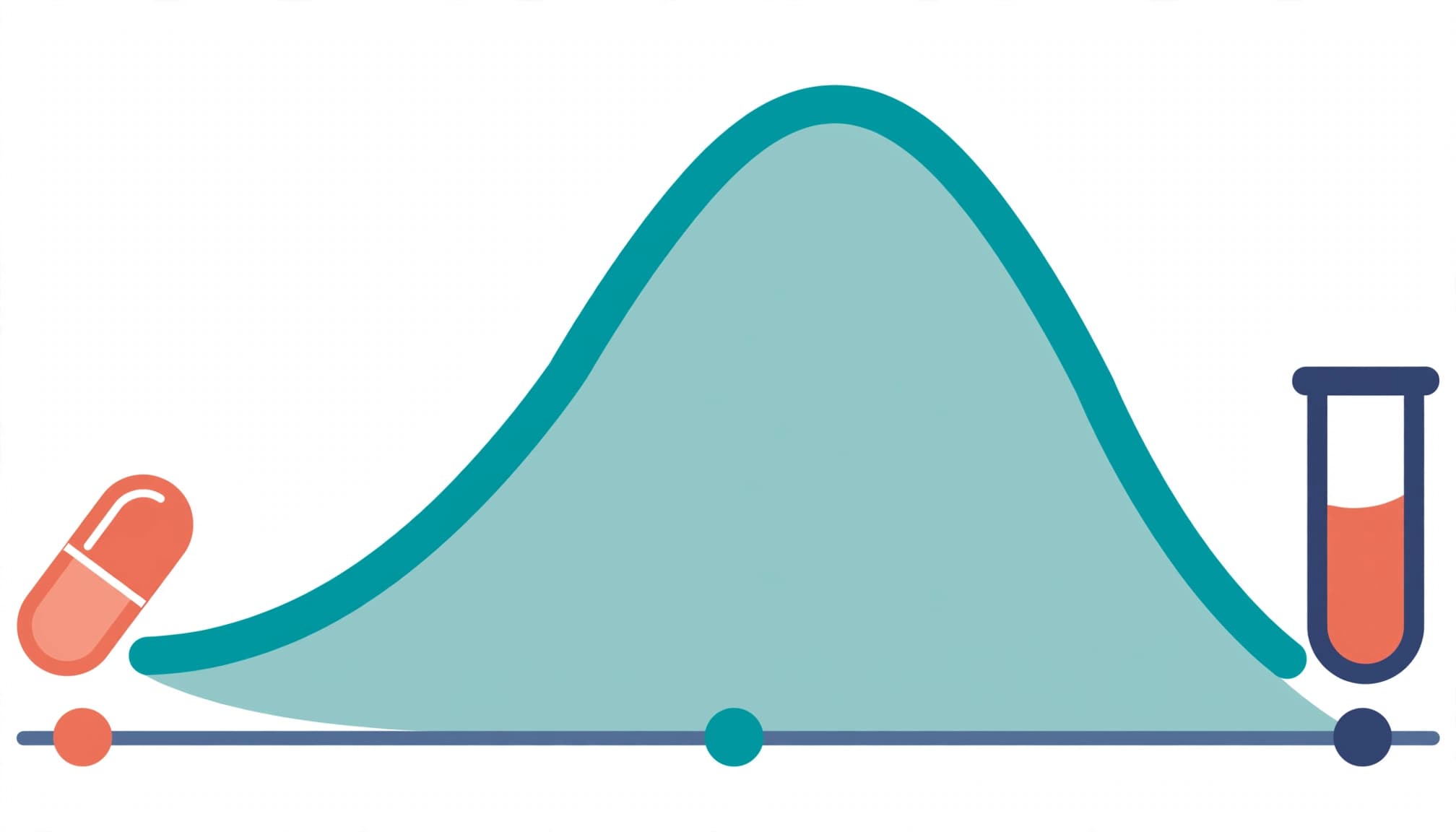
Tacrolimus monitoring measures the tacrolimus level in whole blood to help balance organ rejection prevention against drug-related toxic effects. The result is useful only when interpreted against the dose and formulation. A routine trough sample is collected immediately before the next dose, usuall

Oct 23, 2026
Vitamin B12 deficiency can cause anemia, fatigue and nerve damage, but symptoms alone can't confirm the diagnosis. Blood tests help establish whether B12 is low and whether poor intake or impaired absorption explains the result. Early treatment matters because neurological damage can become permanen



