Express & Expedited Shipping Service
Browse products alphabetically or search by name.
Health Guides
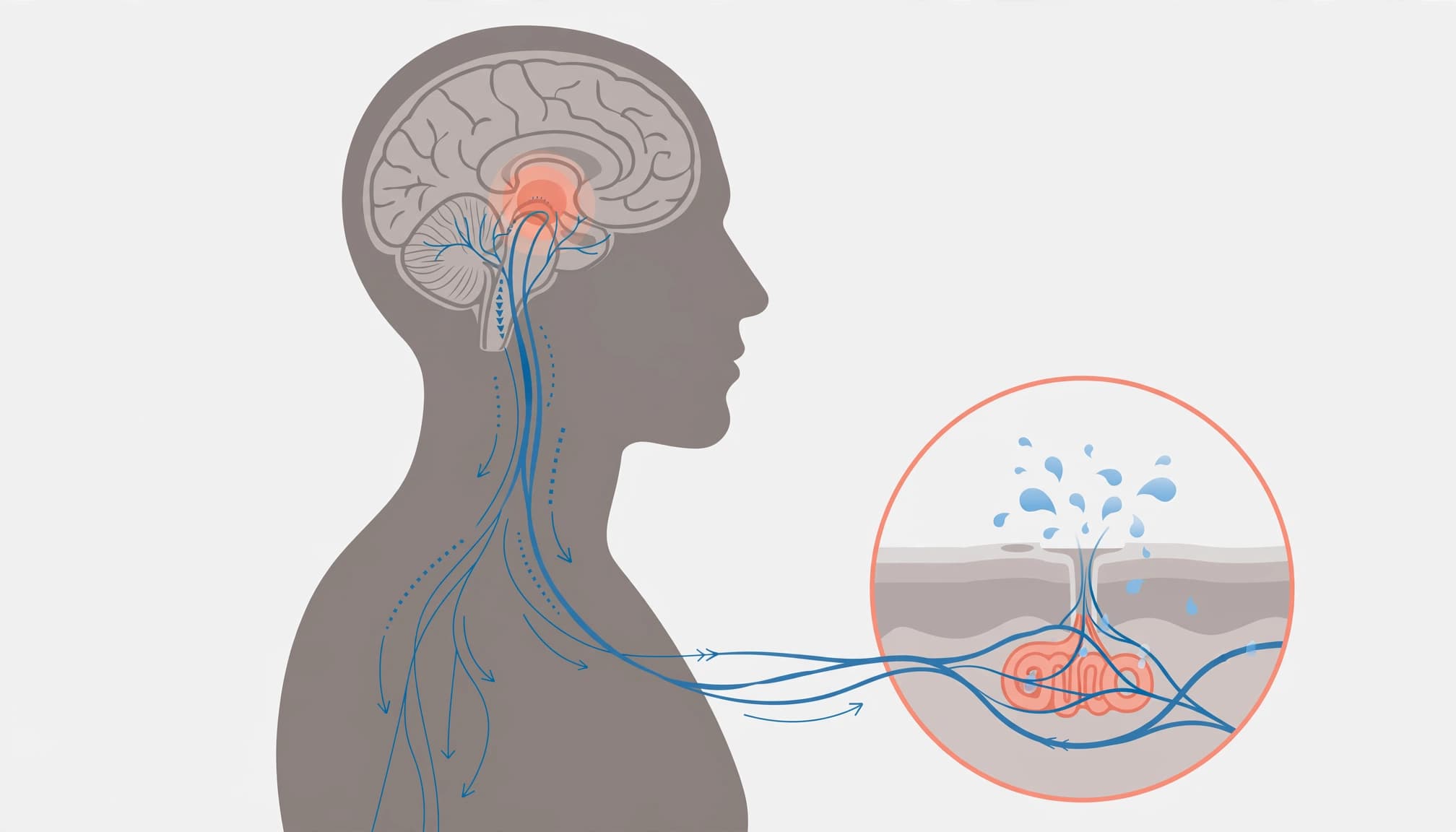
Nov 24, 2026
Medication-induced sweating happens when a drug changes the brain's temperature control, stimulates sweat-gland nerves, or triggers another problem, such as low blood sugar. It can affect the whole body or occur during sleep. Although often manageable, new heavy sweating can be a medication side eff
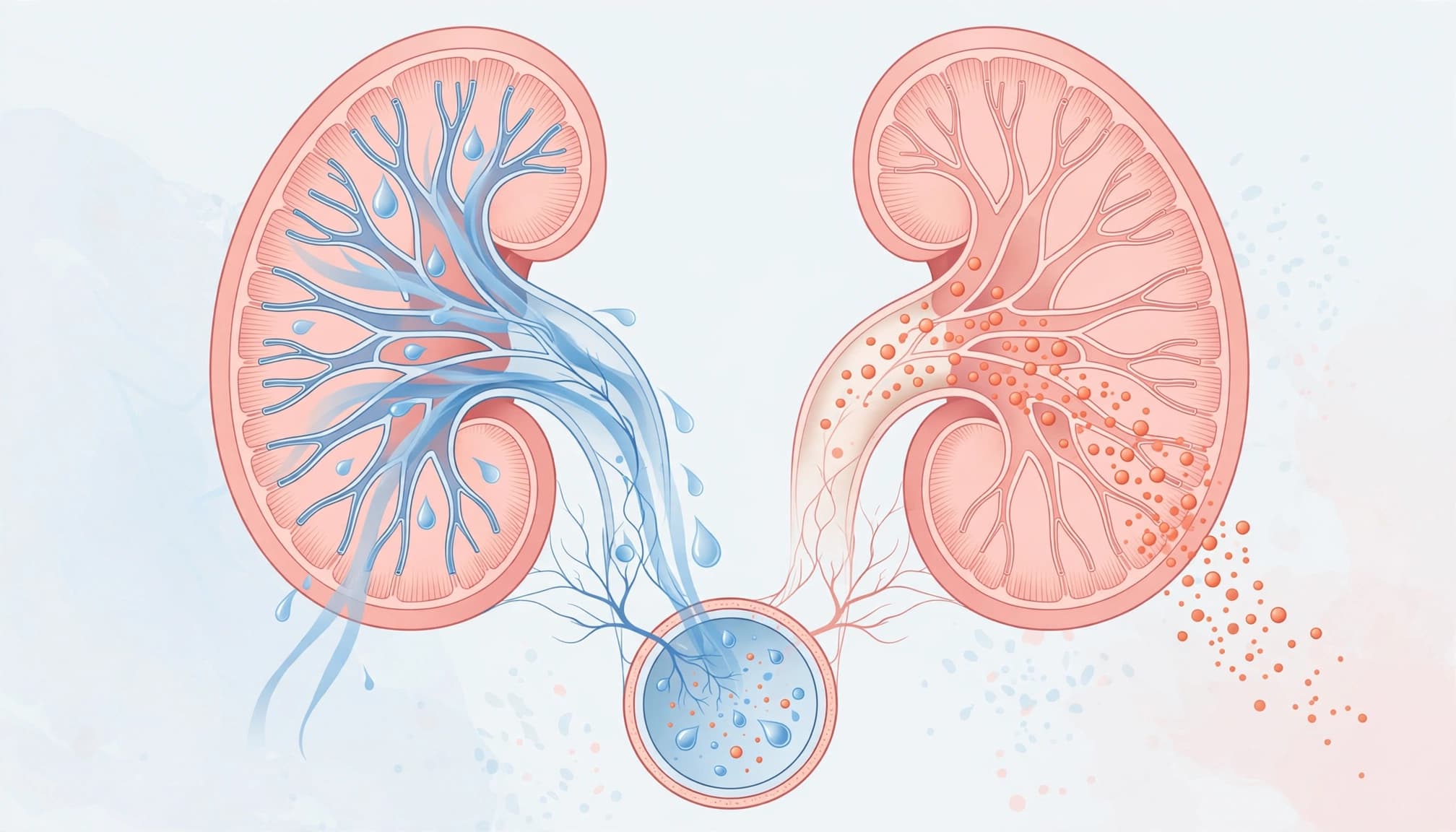
Nov 24, 2026
Thiazide diuretics, antidepressants and certain anticonvulsants are among the medications that lower sodium in the blood. They can cause sodium loss, water retention, or both, producing a condition called hyponatremia. The danger depends on how quickly sodium levels fall, alongside the blood-test re

Nov 12, 2026
Medicines can cause nausea as a side effect, but symptoms beginning during treatment don't prove that a drug caused them. The timing, other symptoms and ability to keep fluids and essential medicines down determine what happens next. Blood in vomit, trouble breathing, collapse or difficulty waking

Nov 11, 2026
Medicines can cause constipation by slowing intestinal movement, reducing digestive secretions, or allowing the bowel to absorb more water. These effects produce harder stools that become difficult to pass. Medication-induced constipation can begin after a new prescription, a dose increase, or the

Nov 08, 2026
Low blood sugar related to diabetes medicine generally means a low blood glucose reading below 70 mg/dL. An alert person who can swallow safely should take 15 grams of fast-acting carbohydrate, wait 15 minutes, then retest and repeat if the reading remains below 70. Call 911 if someone passes out,

Nov 07, 2026
CBD can interact with prescription medicines by changing drug breakdown or adding to effects such as drowsiness. Some CBD drug interactions require blood tests or medication adjustments, while others remain theoretical rather than proven in patients. The strongest evidence concerns particular medici

Nov 06, 2026
Medication dry mouth happens when a drug reduces saliva production or alters the sensation of moisture. Anticholinergic effects are a common cause, and management usually combines a medication review, moisture replacement and tooth protection. Persistent dryness can make eating or speaking difficult

Nov 05, 2026
Blood pressure medicines can cause dizziness on standing because they reduce the body's ability to maintain pressure against gravity. The resulting drop can briefly reduce blood flow to the brain, a condition called orthostatic hypotension. Blood pressure medication dizziness often appears after t

Nov 02, 2026
ADHD medication monitoring tracks blood pressure, heart rate, body mass, appetite and sleep before treatment, during dose adjustments and throughout long-term care. For adults, NICE recommends pulse and blood pressure checks before and after each dose change, then every six months. The aim is to pre

Oct 31, 2026
Whether to repeat a dose of an oral medication depends on the medicine, formulation, and elapsed time. Vomiting within 15 minutes or seeing an intact tablet can justify considering a replacement; after an hour, another dose is usually unnecessary. These are general timing guides, not permission to r
