Express & Expedited Shipping Service
Browse products alphabetically or search by name.
Health Guides
Oct 20, 2026
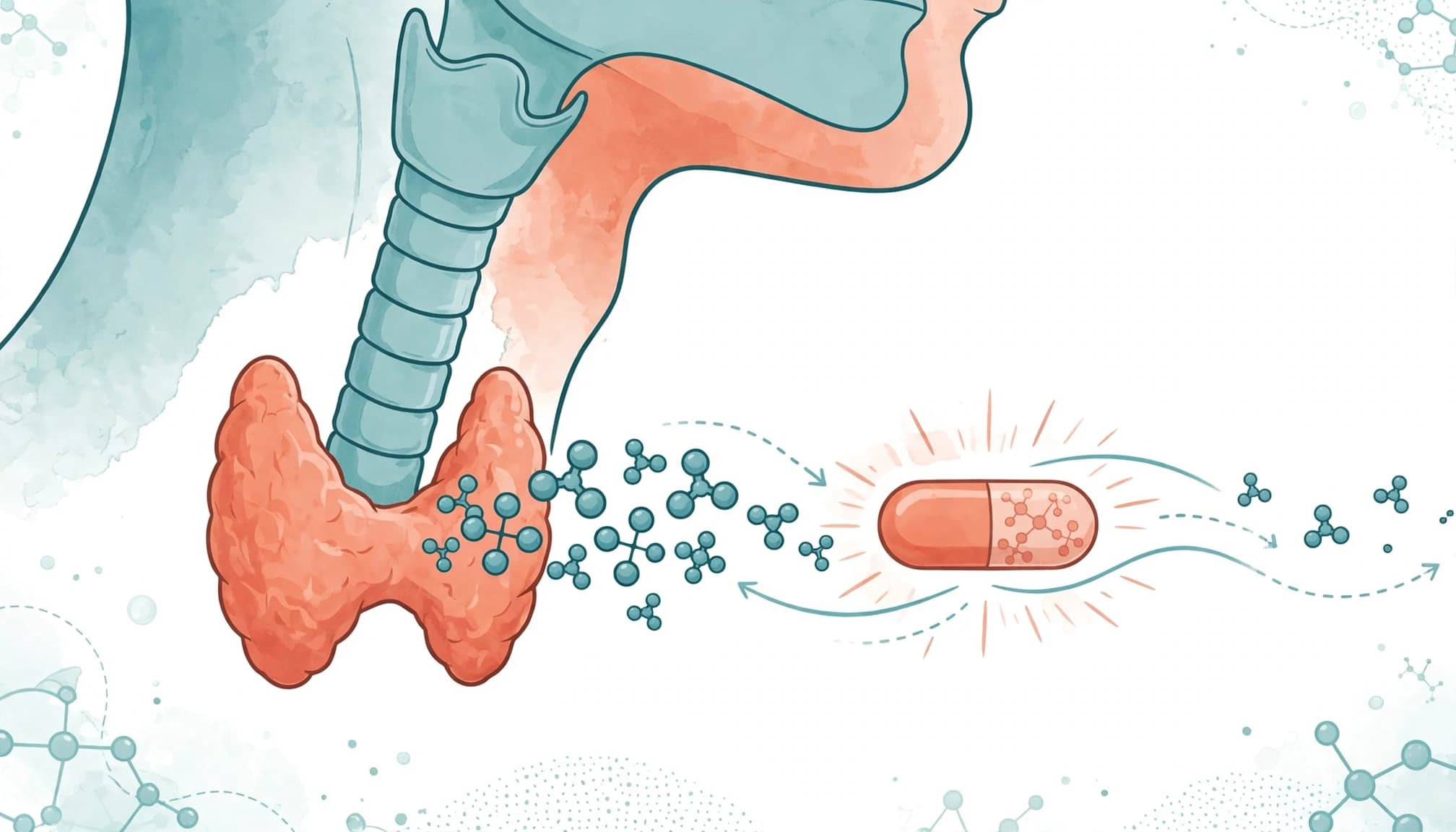
Methimazole for hyperthyroidism reduces excess thyroid hormone production without destroying the thyroid gland. Treatment usually starts with a higher dose, followed by blood-test-guided reductions as hormone levels return to normal. This guide to methimazole hyperthyroidism treatment covers testing
Oct 19, 2026
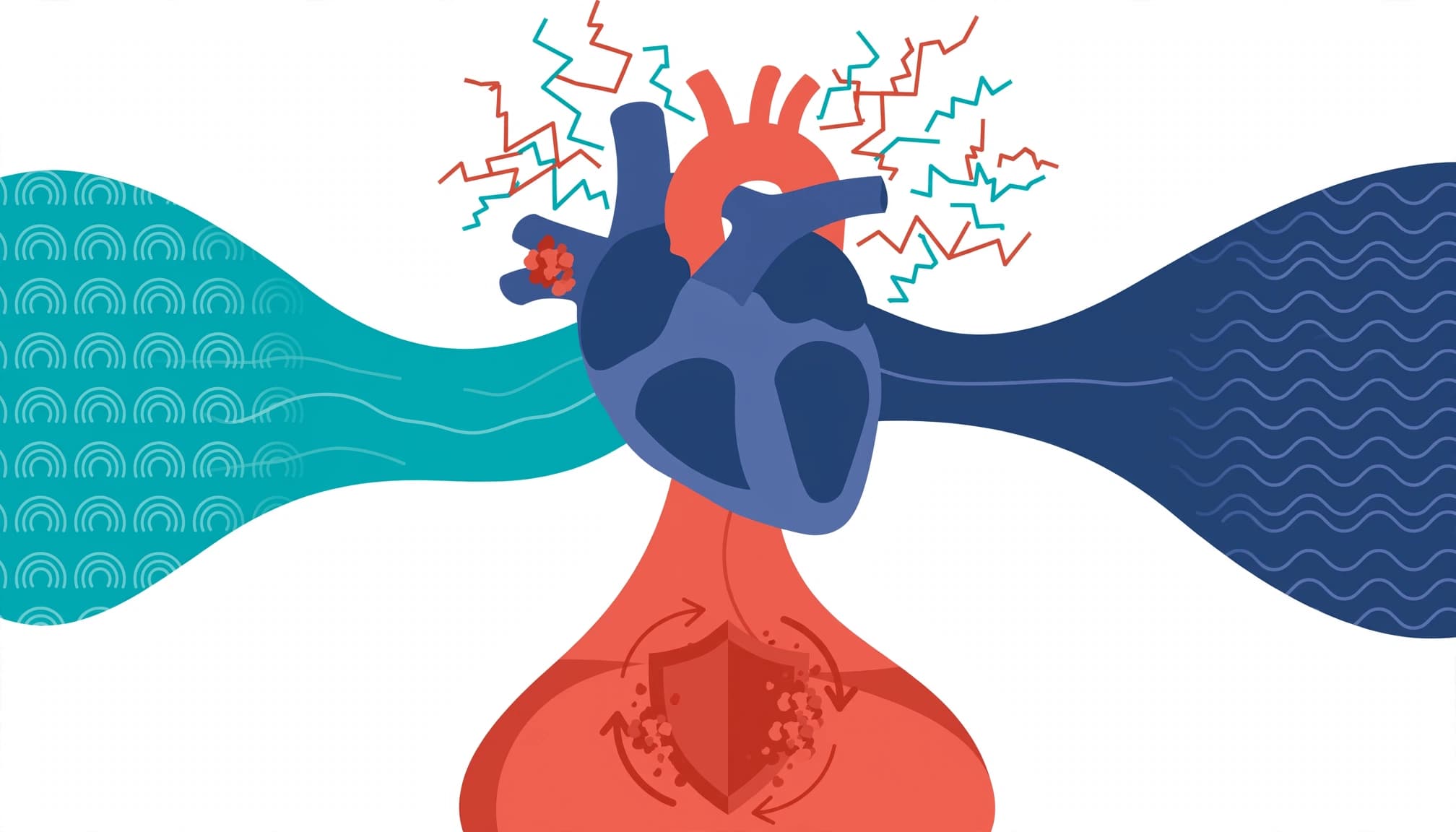
Atrial fibrillation medications address three goals: rate control for a fast heart rate, rhythm control for an abnormal rhythm, and stroke prevention with anticoagulants that reduce blood clots. For atrial fibrillation, the regimen depends on stroke risk, heart and kidney function, and other prescri
Oct 17, 2026
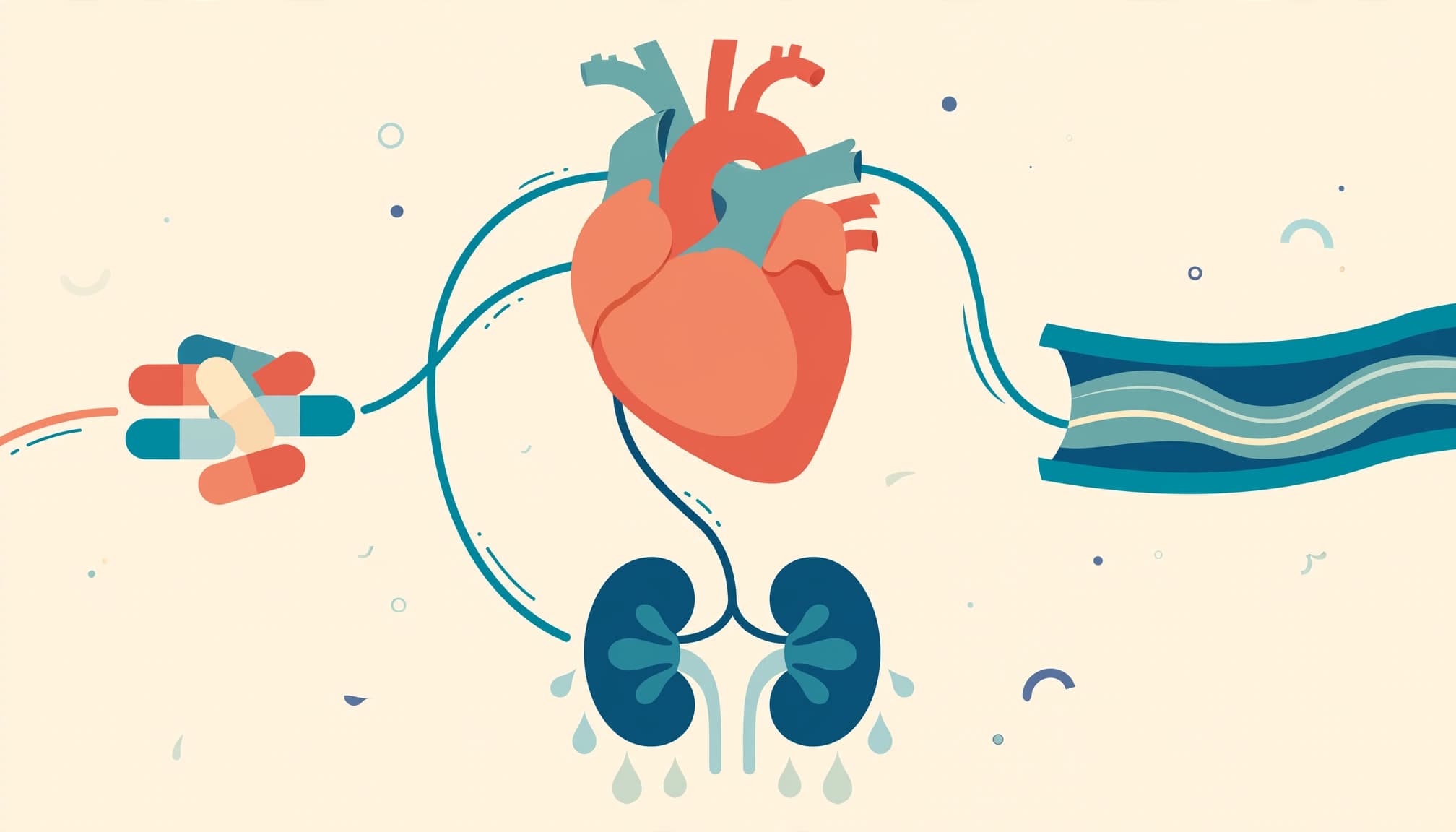
Heart failure medications reduce strain on the heart, control fluid buildup, and lower the risk of hospitalization. Several drug classes also improve survival in people with reduced ejection fraction, although medicines don't cure heart failure. Treatment usually combines medicines because each addr
Oct 16, 2026
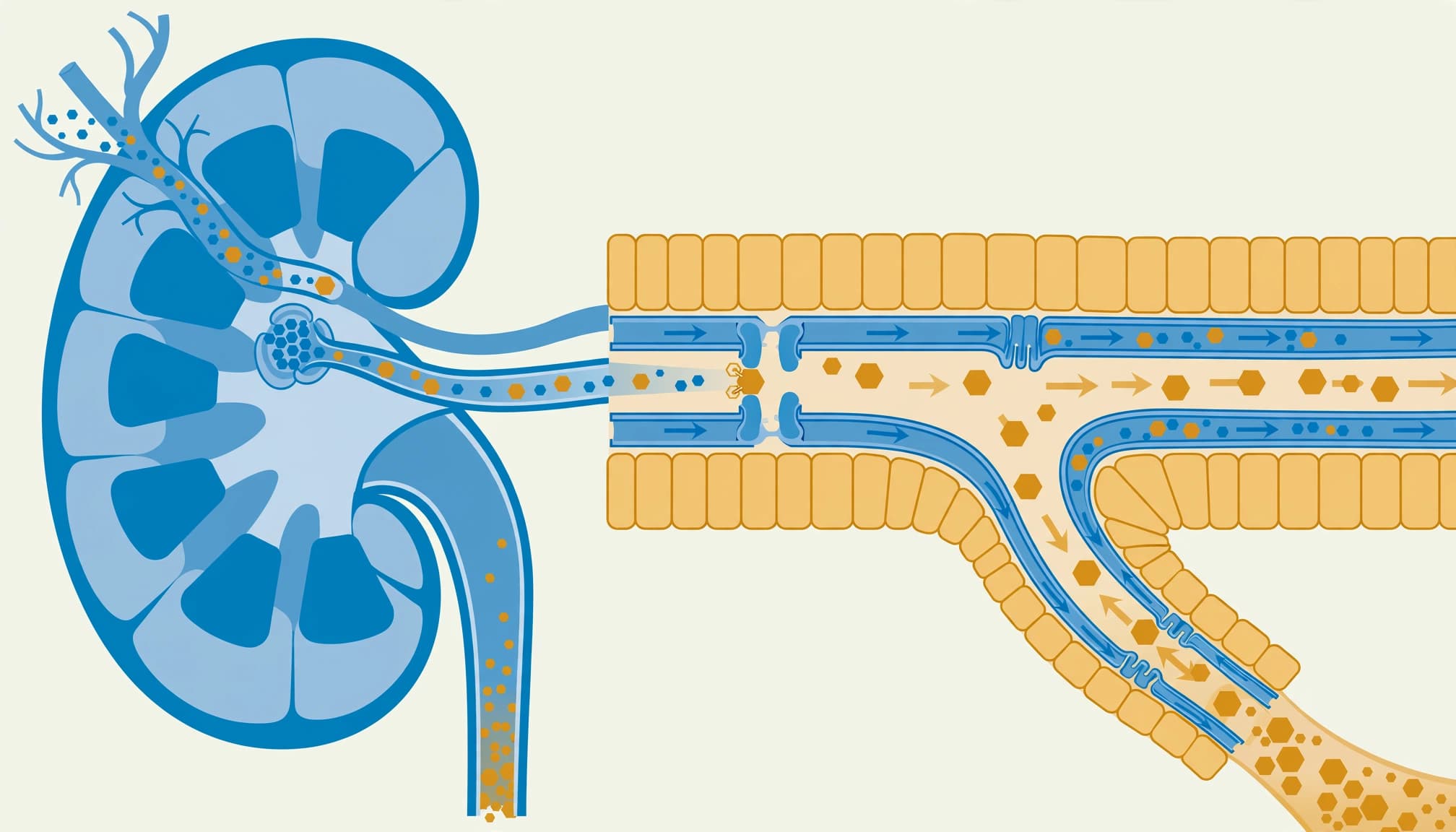
SGLT2 inhibitors lower blood glucose by helping the kidneys remove glucose through urine. Selected medicines also reduce heart-failure events and slow chronic kidney disease progression, so prescribing decisions extend beyond blood sugar alone. The short answer: SGLT2 inhibitors can benefit people

Oct 15, 2026
Potassium salt substitutes can lower sodium intake and blood pressure, but some hypertension medicines make the extra potassium unsafe. The main concern is hyperkalemia, an elevated blood potassium level that can disturb the heart's rhythm. Safety depends on kidney function, the complete medication

Oct 06, 2026
A warfarin INR test helps clinicians assess whether treatment provides enough protection against blood clots while limiting bleeding risks. The target INR range is individualized, though many patients have a target of 2.0 to 3.0. An out-of-range result should be interpreted alongside symptoms, recen

Oct 04, 2026
Grapefruit can change how much medication reaches the bloodstream, even when the prescribed dose stays the same. Grapefruit drug interactions affect certain cholesterol, blood pressure, transplant, cancer, and allergy medicines, but the risk depends on the exact medicine. For some drugs, exposure ri

Oct 02, 2026
Common painkillers and herbal supplements can interact with blood thinners. Depending on the medicines involved and the patient, these blood thinner interactions may increase bleeding or reduce protection against blood clots. Ibuprofen, naproxen, aspirin, and certain supplements need review before

Sep 21, 2026
Multiple daily doses turn an ordinary routine into a safety task. A missed tablet, an extra dose, or an over-the-counter product added without review can cause harm, especially for people managing heart disease, diabetes, transplants, epilepsy, or cancer treatment with prescription medications. A sa

Sep 14, 2026
A routine cold, flu, or stomach illness can raise blood glucose even when appetite disappears. A written sick day plan helps prevent dehydration, severe low blood sugar, and diabetic ketoacidosis by setting out what to monitor, which prescription medicines need attention, and when to seek urgent car