Logo
90 people bought recently
Zoom

STROMECTOL

Generic
Be the first to write a review
Active ingredient:Ivermectin
STROMECTOL is a trusted medication used to treat certain parasitic infections, effectively helping to restore health and prevent complications. By targeting and eliminating parasites, it supports the body's recovery and overall well-being. Ideal for those seeking a reliable solution for parasitic infections, STROMECTOL is recommended by healthcare professionals for its proven efficacy and safety profile.

USD $19.18

1

Share

Active ingredient
Ivermectin
Pack Qty
12
Pack Size
Other
Prescription
Required (Rx)
Dispensing Country
IndiaIndia

What is Ivermectin?

Ivermectin is a broad‑spectrum antiparasitic agent used for the treatment of various parasitic infections in humans. It belongs to the class of anthelmintics and is a member of the avermectin group of macrocyclic lactones. Ivermectin is commonly prescribed for conditions such as onchocerciasis (river blindness), strongyloidiasis, and certain ectoparasitic infestations.

Reference: U.S. FDA; World Health Organization (WHO) Guidelines on Parasitic Diseases; PubMed


What are the other popular names for Ivermectin?

Ivermectin is widely recognized by its generic name, but it is also marketed under several brand names. The most common among these include:

  • Stromectol® (for oral formulations)
  • Mectizan® (primarily for onchocerciasis)
  • Sklice® (a topical formulation for head lice)

Reference: U.S. FDA; MedlinePlus; ClinicalTrials.gov


What is the drug classification of Ivermectin?

Ivermectin is classified as an anthelmintic and an antiparasitic agent within the avermectin family. It is used to treat a range of parasitic infections by interfering with the nervous system of parasites.

Reference: U.S. Food and Drug Administration (FDA); World Health Organization (WHO)


What is the mode of action of Ivermectin?

Ivermectin exerts its antiparasitic effect by binding selectively to glutamate‑gated chloride ion channels that are present in the nerve and muscle cells of invertebrates. This binding increases the permeability of the cell membrane to chloride ions, causing hyperpolarization, paralysis, and eventual death of the parasite. The selectivity for parasite channels minimizes effects on mammalian cells.

Reference: U.S. FDA; PubMed (e.g., Campbell et al., 1983)


How is Ivermectin used?

Ivermectin is used in both oral and topical formulations. Its primary clinical uses include:

  • Onchocerciasis (River Blindness): Administered orally in single doses.
  • Strongyloidiasis: Often given orally as a single or repeated dose depending on the severity of the infection.
  • Scabies and Head Lice: Topical formulations are available (e.g., Sklice®) for the treatment of infestations.
  • Other Parasitic Infections: Off-label use in certain cases under strict medical supervision.

Reference: World Health Organization (WHO) Guidelines; U.S. FDA; ClinicalTrials.gov


What is the recommended dosage and administration for Ivermectin?

  • Dosage:
    • For most parasitic infections, the typical oral dose is approximately 150–200 µg per kilogram of body weight as a single dose.
    • In some infections, a repeat dose may be required after 7 to 14 days.
  • Administration:
    • Oral tablets should be taken on an empty stomach with water.
    • Topical formulations must be applied according to the specific product instructions.

Reference: U.S. FDA prescribing information; WHO Guidelines on Parasitic Infections


What prescribing information is important for Ivermectin?

  • Indications: Ivermectin is indicated for the treatment of various parasitic infections, including onchocerciasis, strongyloidiasis, and certain ectoparasitic infestations.
  • Contraindications:
    • Ivermectin is contraindicated in patients with a known hypersensitivity to ivermectin or any of its components.
    • Caution is advised in patients with severe liver disease.
  • Monitoring:
    • Follow-up may be required to assess the resolution of infection and to monitor for potential adverse reactions.
  • Special Considerations:
    • Ivermectin should be used with caution in populations with potential blood-brain barrier compromise.

Reference: U.S. FDA; World Health Organization (WHO)


What safety information, warnings, and cautions are associated with Ivermectin?

  • Common Side Effects:
    • Gastrointestinal disturbances (e.g., nausea, diarrhea)
    • Dizziness
    • Headache
  • Warnings & Cautions:
    • Neurological Effects: Rarely, in patients with compromised blood-brain barriers, CNS toxicity may occur.
    • Hypersensitivity: Serious allergic reactions, although rare, have been reported.
    • Pregnancy and Lactation: Ivermectin is not recommended for use during pregnancy or breastfeeding unless clearly needed and prescribed by a healthcare professional.
  • Additional Cautions:
    • Dosage should be adjusted in patients with hepatic impairment.
    • Avoid concomitant use with medications that may interfere with its metabolism.

Reference: U.S. FDA; PubMed; WHO


What drug interactions should be considered with Ivermectin?

  • CYP3A4 Inhibitors:
    • Concomitant use with strong CYP3A4 inhibitors (e.g., ketoconazole) may increase ivermectin plasma levels, potentially enhancing adverse effects.
  • P-glycoprotein (P-gp) Inhibitors:
    • Drugs that inhibit P-gp may increase the penetration of ivermectin into the CNS, raising the risk of neurological adverse events.
  • Other Medications:
    • Always inform your healthcare provider about all medications (prescription and nonprescription) and supplements you are taking to avoid potential interactions.

Reference: U.S. FDA; Clinical Pharmacology Reviews on PubMed


Where can I find additional clinical evidence and detailed information about Ivermectin?

For further details on clinical studies, dosing guidelines, and safety monitoring, please refer to:

  • U.S. Food and Drug Administration (FDA) Website: FDA.gov
  • ClinicalTrials.gov: Search for ivermectin studies (e.g., for onchocerciasis or strongyloidiasis)
  • World Health Organization (WHO) Publications: WHO.int
  • PubMed: For peer‑reviewed research articles on ivermectin

Reference: FDA; WHO; PubMed


Final Thoughts

Ivermectin is a widely used antiparasitic agent with proven efficacy against various parasitic infections. Its mode of action—targeting glutamate‑gated chloride ion channels in parasites—results in paralysis and death of the parasite while maintaining a favorable safety profile in humans. Proper dosing, patient selection, and awareness of potential drug interactions are essential for its effective use. As always, healthcare providers should guide the appropriate use of ivermectin, and patients must adhere to prescribed dosages and monitoring protocols.

Disclaimer: This information is provided for educational purposes only and should not replace professional medical advice. Always consult with your healthcare provider before initiating or modifying any medication regimen.

BrandSudocrem Healing Cream 100g Tube

Sudocrem Healing Cream 100g Tube

Active Ingredient: Zinc Oxide 15.29% w/w

Unit: 100g | Pack: Cream

USD $18.99

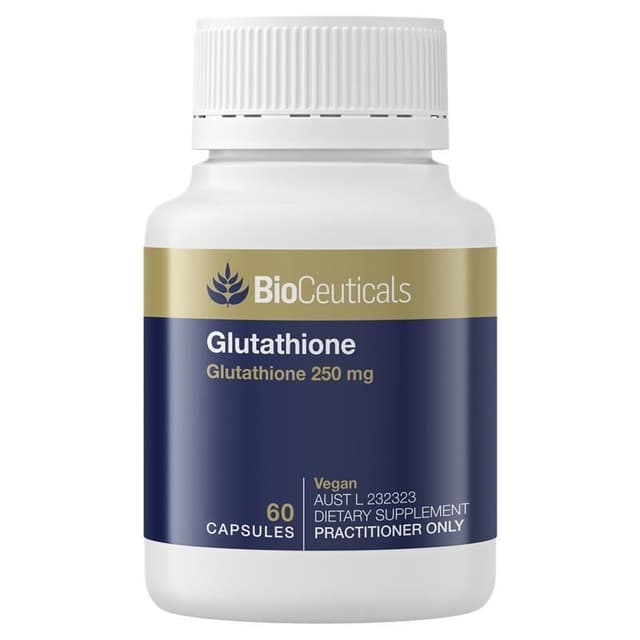
BrandBioCeuticals Glutathione 60 Capsules

BioCeuticals Glutathione 60 Capsules

Active Ingredient: No animal product - suitable for vegans

Unit: 60 capsules | Pack: Capsule

USD $56.49

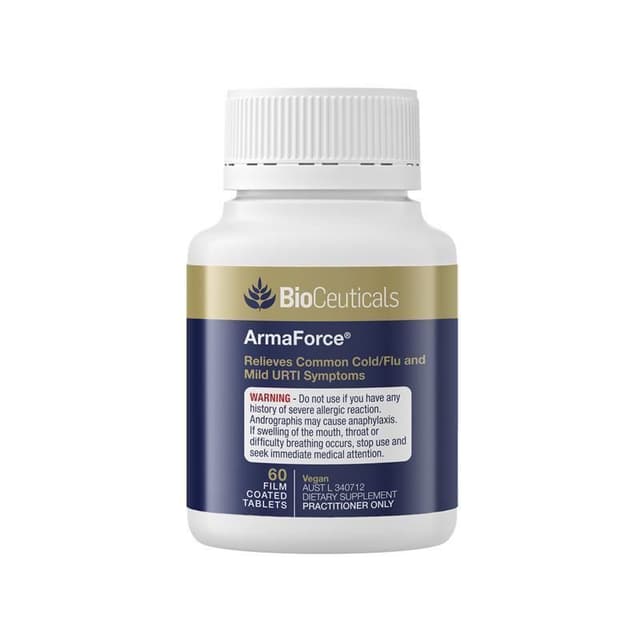
BrandBioceuticals ArmaForce 60 Tablets

Bioceuticals ArmaForce 60 Tablets

Active Ingredient: Herbals: Andrographis paniculata (andrographis) extract dry conc. AP-Bio® 178.6 mg equiv. to dry leaf 2.5 mg std. to andrographolides 62.5 mg Olea europaea (olive) extract dry conc. 150 mg equiv. to dry leaf 750 mg std. to oleuropein

Unit: 60 tablets | Pack: Tablet

USD $42.49

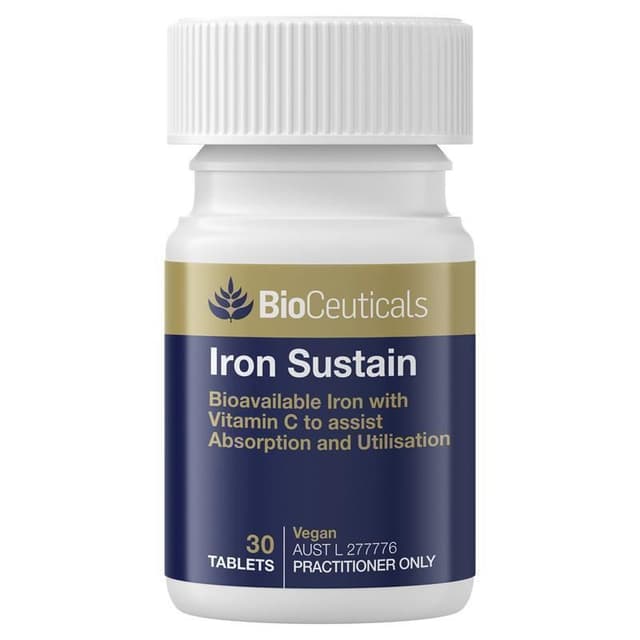
BrandBioCeuticals Iron Sustain 30 Tablets

BioCeuticals Iron Sustain 30 Tablets

Active Ingredient: Nutrients: Iron (II) glycinate (bisglycinate) Ferrochel™ (iron 24 mg) 88.8 mg Ascorbic acid (vitamin C) 200 mg Pyridoxal 5-phosphate monohydrate (P5P) (active vitamin B6) 24.4 mg (pyridoxine, vitamin B6 15 mg) Levomefolate calcium 12

Unit: 30 tablets | Pack: Tablet

USD $21.49

Health Guides

Health Guides Related to STROMECTOL

How to Compare Prescription Prices Without Sacrificing Safety

Sep 23, 2026

How to Compare Prescription Prices Without Sacrificing Safety

Two pharmacies can quote different prescription drug prices for the same medicine. Medication costs are harder to compare when a quote leaves out shipping, reflects a different quantity, or comes from a seller that can't be verified. To compare prescription prices safely, match the exact medication

A Safe Medication Schedule for Multiple Daily Doses

Sep 21, 2026

A Safe Medication Schedule for Multiple Daily Doses

Multiple daily doses turn an ordinary routine into a safety task. A missed tablet, an extra dose, or an over-the-counter product added without review can cause harm, especially for people managing heart disease, diabetes, transplants, epilepsy, or cancer treatment with prescription medications. A sa

Counterfeit Medicines: How to Spot Them Before the First Dose

Sep 19, 2026

Counterfeit Medicines: How to Spot Them Before the First Dose

Counterfeit medicines may contain the wrong substance, too little or no active ingredient, or harmful contaminants. Counterfeit drugs can look convincing, but appearance alone can't confirm authenticity. If a medicine seems suspicious: pause, and don't take or share it. Verify the pharmacy and pres

How to Read a Prescription Label Before Taking Your First Dose

Sep 18, 2026

How to Read a Prescription Label Before Taking Your First Dose

The first dose is when a prescription label deserves careful attention. A first-time user should verify the patient, medication identity, strength, dosage form, route, timing, warnings, and storage directions before taking it. Before taking prescription medicine, use the medication label to confirm

Medication Reconciliation Checklist After Hospital Discharge

Sep 17, 2026

Medication Reconciliation Checklist After Hospital Discharge

A hospital stay can leave patients with two conflicting medication lists, unfamiliar pills, and little time to sort out the differences. That confusion can threaten patient safety, especially for people taking insulin, anticoagulants, transplant medicines, oral cancer therapy, or several long-term p

Accessible Medication Packaging for Everyday Use

Sep 16, 2026

Accessible Medication Packaging for Everyday Use

A medicine container can become a daily barrier when a label is hard to read or a cap requires painful force to open, especially for people with inflammatory arthritis. Accessible medication packaging combines clear information, tactile cues, manageable opening methods, and safety features so people

How Caregivers Create a Medication Emergency Card

Sep 15, 2026

How Caregivers Create a Medication Emergency Card

An emergency department visit often begins with basic questions that become difficult under stress: What medicines does the person take? What caused a past allergic reaction? Which clinician and pharmacy can confirm the details? An emergency medical card is a wallet sized card with essential emergen

Diabetes Sick Day Rules for Prescription Medicines

Sep 14, 2026

Diabetes Sick Day Rules for Prescription Medicines

A routine cold, flu, or stomach illness can raise blood glucose even when appetite disappears. A written sick day plan helps prevent dehydration, severe low blood sugar, and diabetic ketoacidosis by setting out what to monitor, which prescription medicines need attention, and when to seek urgent car

Can an Online Pharmacy Fill an Out of State Prescription?

Sep 13, 2026

Can an Online Pharmacy Fill an Out of State Prescription?

An address change, a college semester, or an extended trip can turn a routine refill into a legal question. An out of state prescription can often be filled by an online pharmacy, but acceptance is never automatic. The decision depends on the medication category, the patient's location, licensing, p

Prescription Refill Insurance Change: How to Keep Medication on Track

Sep 11, 2026

Prescription Refill Insurance Change: How to Keep Medication on Track

An insurance switch can stop a routine refill at the pharmacy counter, even when the prescription remains valid. A prescription refill insurance change usually requires new plan details, a coverage check, and sometimes action from the prescriber before the medicine can be dispensed. Short answer: H