Express & Expedited Shipping Service
USD $6.46
 India
Bactrim is a prescription medication that combines two antibiotics, sulfamethoxazole and trimethoprim, to treat a variety of bacterial infections. It is commonly used to address urinary tract infections, ear infections, bronchitis, and certain types of diarrhea.
Bactrim works by inhibiting the growth of bacteria. Sulfamethoxazole and trimethoprim, the active ingredients, block the production of folic acid in bacteria, which is essential for their growth and survival. This dual action makes Bactrim effective against a wide range of bacterial infections.
Bactrim is prescribed for individuals diagnosed with specific bacterial infections. It is important for patients to consult their healthcare provider to determine if Bactrim is the appropriate treatment for their condition.
Bactrim should be taken exactly as prescribed by a healthcare provider. It is usually administered orally, with or without food. Patients are advised to maintain a consistent dosing schedule and complete the full course of treatment to ensure the infection is fully eradicated.
Common side effects of Bactrim may include nausea, vomiting, loss of appetite, and mild skin rash. Severe side effects, although rare, may include allergic reactions, severe skin reactions, or liver problems. Patients should contact their healthcare provider if they experience any unusual symptoms.
Patients should inform their healthcare provider about any other medications they are taking, as Bactrim may interact with other drugs. It is important to discuss any medical history of liver or kidney disease, blood disorders, or allergies. Pregnant or breastfeeding women should consult their healthcare provider before using Bactrim.
If a dose of Bactrim is missed, it should be taken as soon as possible unless it is almost time for the next dose. In such cases, the missed dose should be skipped, and the regular dosing schedule should be continued. Double dosing should be avoided.
For more detailed information about Bactrim, including its uses, benefits, and potential risks, patients are encouraged to consult their healthcare provider or refer to the medication guide provided with the prescription.
Health Guides

Nov 01, 2026
Baricitinib safety depends on infection screening, blood tests, and prompt evaluation of new symptoms. The main concerns are serious infections, shingles, blood clots, cancer, and cardiovascular events. Blood counts, liver and kidney function, and cholesterol help guide treatment. Historical rheumat

Oct 30, 2026
Tacrolimus monitoring measures the tacrolimus level in whole blood to help balance organ rejection prevention against drug-related toxic effects. The result is useful only when interpreted against the dose and formulation. A routine trough sample is collected immediately before the next dose, usuall

Oct 29, 2026
Serotonin syndrome is a potentially life-threatening drug reaction caused by excessive serotonin activity. Fever, confusion, and muscle jerking after a medicine change require urgent medical assessment. Symptoms often begin within hours, particularly when medicines with overlapping serotonin effects

Oct 28, 2026
Lithium monitoring combines timed blood levels with kidney, thyroid, and calcium tests to keep bipolar treatment effective and reduce toxicity risk. Testing starts before treatment and continues throughout it. Lithium has a narrow therapeutic index, so relatively small changes in blood concentration

Oct 26, 2026
Amlodipine widens small arteries more than veins, pushing fluid into surrounding tissues. Ankle swelling is one of the recognized side effects of this medicine. Mild swelling in both ankles is common, but new or worsening symptoms deserve medical review. The key distinction is where the swelling occ

Oct 25, 2026
Oral cancer medication safety depends on following the prescribed schedule, protecting household members from exposure, and reporting symptoms promptly. Tablets should stay intact, caregivers should use disposable gloves, and food or medicine changes need an oncology pharmacist's review. At-home o

Oct 23, 2026
Vitamin B12 deficiency can cause anemia, fatigue and nerve damage, but symptoms alone can't confirm the diagnosis. Blood tests help establish whether B12 is low and whether poor intake or impaired absorption explains the result. Early treatment matters because neurological damage can become permanen

Oct 22, 2026
Parkinson's disease medications improve movement by replacing dopamine, stimulating its receptors, or slowing its breakdown. Carbidopa-levodopa remains the most effective treatment for movement symptoms, while other medicines address milder symptoms, wearing-off, or involuntary movements. Treatment

Oct 21, 2026
Common sun sensitivity medications include doxycycline, hydrochlorothiazide, naproxen and amiodarone. These drugs can cause marked UV-induced skin injury or a delayed, itchy rash after UV light. The safest response combines UV protection with a medication review, rather than changing a dose withou
Oct 20, 2026
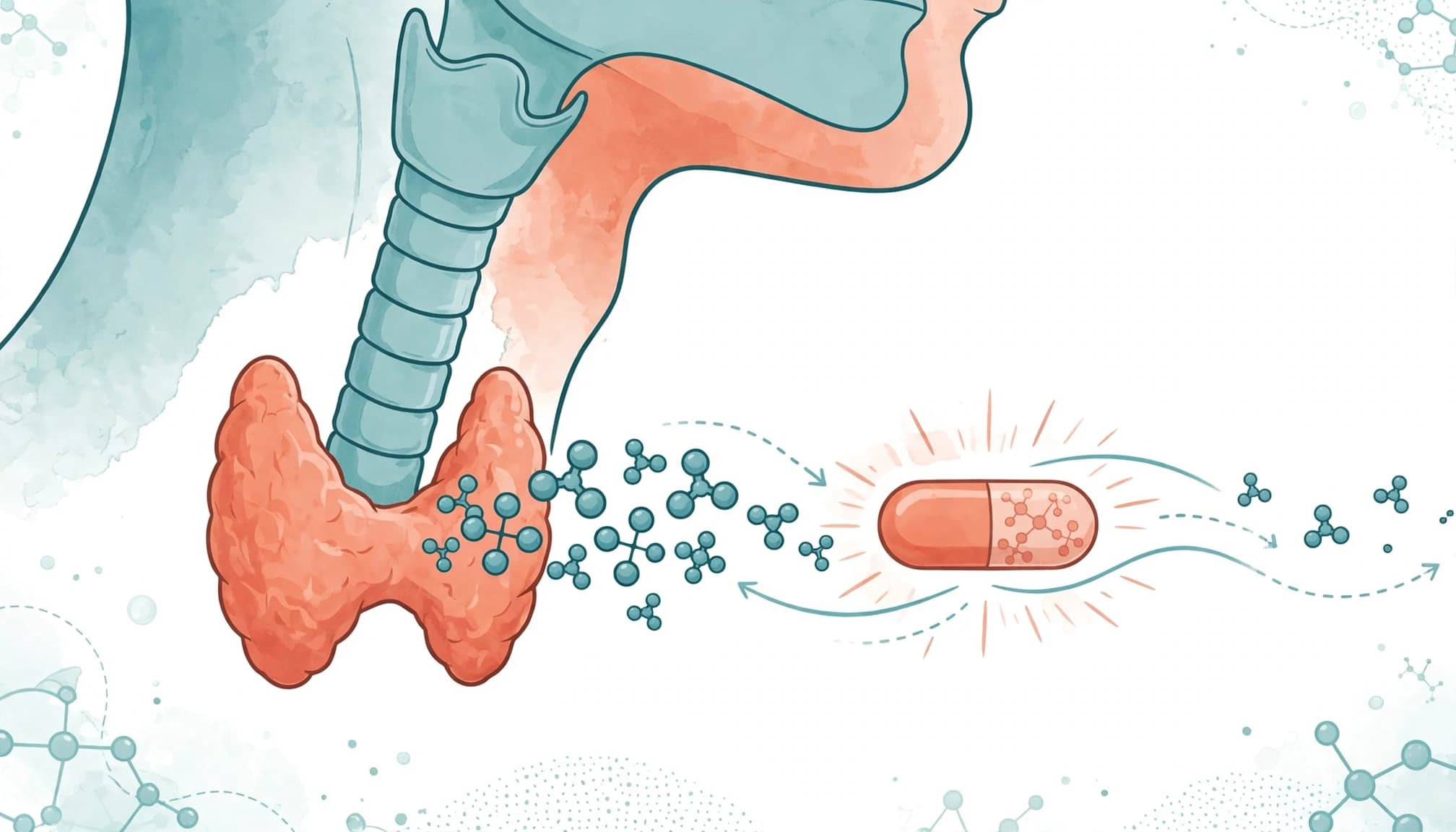
Methimazole for hyperthyroidism reduces excess thyroid hormone production without destroying the thyroid gland. Treatment usually starts with a higher dose, followed by blood-test-guided reductions as hormone levels return to normal. This guide to methimazole hyperthyroidism treatment covers testing