U.S. Orders: Processing & Shipping as Normal.Read More
Logo
105 people bought recently
Zoom

COVERSYL AM

Brand
Be the first to write a review
Active ingredient:Perindopril/Amlodipine
COVERSYL AM is a trusted medication combining perindopril and amlodipine to effectively manage hypertension and improve cardiovascular health. Designed for optimal blood pressure control, it aids in reducing the risk of heart-related complications. Ideal for patients seeking a reliable solution to maintain a healthy heart, COVERSYL AM supports overall well-being and enhances quality of life.

USD $19.80

1

Compare Medicines With the Same Generic Name

Products matching the full generic name: Perindopril/Amlodipine

Share

Active ingredient
Perindopril/Amlodipine
Pack Qty
30
Pack Size
Other
Prescription
Required (Rx)
Dispensing Country
IndiaIndia

What is Coversyl AM?

Coversyl AM is a fixed‑dose combination medication designed for the treatment of hypertension (high blood pressure). It combines two active ingredients:

  • Perindopril Arginine, an angiotensin‑converting enzyme (ACE) inhibitor that reduces the production of angiotensin II, leading to vasodilation and reduced blood pressure.
  • Amlodipine Besylate, a calcium channel blocker (CCB) that relaxes vascular smooth muscle, further lowering blood pressure.

This dual‑action therapy improves blood pressure control and reduces the risk of cardiovascular events in patients with hypertension.

Reference: U.S. FDA; European Medicines Agency (EMA) prescribing information; PubMed


What are the other popular and common names for Coversyl AM?

Coversyl AM is primarily known by its brand name Coversyl AM. In clinical practice and literature, it is also often referred to by its active components as a perindopril/amlodipine combination. In some regions, similar fixed‑dose combinations may be available under alternative brand names; however, “Coversyl AM” remains widely recognized.

Reference: U.S. FDA; MedlinePlus; WHO


What is the drug classification of Coversyl AM?

Coversyl AM is classified as a combination antihypertensive agent, specifically combining an ACE inhibitor (perindopril) with a calcium channel blocker (amlodipine). It is used to modify cardiovascular risk factors in patients with hypertension.

Reference: WHO Guidelines on Hypertension; U.S. FDA


What is the mode of action of Coversyl AM?

Coversyl AM works through two complementary mechanisms:

  1. Perindopril (ACE Inhibitor):
    • Inhibits the conversion of angiotensin I to angiotensin II, leading to vasodilation, decreased aldosterone secretion, and reduced blood pressure.
    • Increases bradykinin levels, which may contribute to its vasodilatory effects.
  2. Amlodipine (Calcium Channel Blocker):
    • Blocks calcium channels in vascular smooth muscle, leading to relaxation and dilation of peripheral arteries.
    • This further reduces vascular resistance and lowers blood pressure.

Together, these actions provide superior blood pressure control compared to either agent alone and reduce the risk of cardiovascular events.

Reference: PubMed (e.g., clinical pharmacology reviews); U.S. FDA; EMA


What are the primary uses of Coversyl AM?

Coversyl AM is used primarily for:

  • Hypertension Management: Effective in lowering blood pressure in patients with primary (essential) hypertension.
  • Cardiovascular Risk Reduction: By lowering blood pressure, it reduces the risk of heart attack, stroke, and other cardiovascular complications.
  • Adjunct Therapy: Often used when monotherapy with either an ACE inhibitor or a calcium channel blocker is insufficient to achieve target blood pressure levels.

Reference: American Heart Association (AHA) Guidelines; U.S. FDA; EMA


What is the recommended dosage and administration for Coversyl AM?

  • Dosage Strengths: Coversyl AM is available in several fixed‑dose strengths, commonly including:
    • Coversyl AM 4/5 mg: 4 mg of perindopril and 5 mg of amlodipine
    • Coversyl AM 8/5 mg: 8 mg of perindopril and 5 mg of amlodipine
    • Coversyl AM 8/10 mg: 8 mg of perindopril and 10 mg of amlodipine
  • Administration:
    • The recommended dosage is usually once daily, taken orally, with or without food.
    • Patients should take the medication at approximately the same time each day to maintain consistent blood levels.
  • Dosage Adjustments:
    • Dose selection and adjustments depend on the severity of hypertension, patient response, and the presence of comorbidities (e.g., renal impairment).

Reference: U.S. FDA; EMA; ClinicalTrials.gov


What prescribing information is important for Coversyl AM?

  • Indications:
    • Coversyl AM is indicated for the treatment of hypertension to lower blood pressure and reduce cardiovascular risk.
  • Contraindications:
    • Contraindicated in patients with a history of hypersensitivity to perindopril, amlodipine, or any of the excipients.
    • Not to be used in patients with conditions such as bilateral renal artery stenosis or a history of angioedema associated with ACE inhibitor use.
  • Monitoring:
    • Blood pressure, renal function, and electrolyte levels (especially potassium) should be regularly monitored.
  • Special Considerations:
    • Prior to initiation, a baseline assessment of cardiovascular risk and renal function is recommended.
    • Caution is advised in elderly patients and those with preexisting cardiovascular or renal conditions.

Reference: U.S. FDA; NCCN Guidelines; European Society of Cardiology (ESC)


What safety information, side effects, warnings, and cautions are associated with Coversyl AM?

  • Common Side Effects:
    • Dry cough (associated with ACE inhibitors)
    • Headache and dizziness
    • Peripheral edema (often related to amlodipine)
    • Fatigue
  • Serious Side Effects:
    • Hypotension, particularly in patients with volume depletion
    • Renal impairment or deterioration in renal function
    • Hyperkalemia (elevated potassium levels)
    • Rare but serious allergic reactions, including angioedema
  • Warnings & Cautions:
    • Cough and Angioedema: Patients experiencing a persistent cough or signs of swelling should contact their healthcare provider immediately.
    • Renal Monitoring: Regular monitoring of kidney function is essential, especially in patients with existing renal conditions.
    • Pregnancy and Lactation: Coversyl AM is contraindicated during pregnancy and lactation due to the teratogenic risk associated with ACE inhibitors.
    • Drug Interactions: Use caution when combining with other medications that affect the renin-angiotensin system, diuretics, or potassium‑sparing agents.

Reference: U.S. FDA; MedlinePlus; WHO Guidelines


What drug interactions should be considered with Coversyl AM?

  • Potassium‑sparing Diuretics and Supplements:
    • Concomitant use may increase the risk of hyperkalemia.
  • Nonsteroidal Anti‑inflammatory Drugs (NSAIDs):
    • NSAIDs may reduce the antihypertensive effects of ACE inhibitors and increase the risk of renal impairment.
  • Other Antihypertensives:
    • Combined effects may necessitate dose adjustments to avoid hypotension.
  • Lithium:
    • ACE inhibitors may increase lithium levels, requiring careful monitoring.

Reference: U.S. FDA; Clinical Pharmacology Reviews on PubMed; MedlinePlus


Frequently Asked Questions (FAQs)

Q: How does Coversyl AM work to lower blood pressure?
A: Coversyl AM works by combining the effects of an ACE inhibitor (perindopril) and a calcium channel blocker (amlodipine). Perindopril reduces the production of angiotensin II, leading to vasodilation, while amlodipine relaxes vascular smooth muscles, further reducing blood pressure.

Q: Who can benefit from using Coversyl AM?
A: Coversyl AM is beneficial for patients with hypertension who require more effective blood pressure control than monotherapy can provide, particularly those at high risk for cardiovascular events.

Q: How quickly will I see an effect?
A: Patients may notice improvements in blood pressure within a few weeks; however, optimal effects may take longer as the body adjusts to the medication.

Q: What should I do if I experience a persistent cough or swelling?
A: If you experience a persistent cough or signs of angioedema, contact your healthcare provider immediately as these may be signs of an adverse reaction to the ACE inhibitor component.

Q: Can Coversyl AM be used during pregnancy?
A: No, Coversyl AM is contraindicated in pregnancy due to the risk of fetal harm associated with ACE inhibitors.

Q: How should I manage missed doses?
A: If you miss a dose, take it as soon as you remember. If it is near your next scheduled dose, skip the missed dose and resume your regular dosing schedule. Do not double the dose.

Reference: U.S. FDA; NCCN; PubMed


Where can I find additional clinical evidence and detailed information about Coversyl AM?

For more in-depth clinical data, dosing guidelines, and safety monitoring information, please refer to:

  • U.S. Food and Drug Administration (FDA) Website: FDA.gov
  • ClinicalTrials.gov: Search for studies involving perindopril and amlodipine combinations
  • PubMed: For peer‑reviewed research articles on ACE inhibitors, calcium channel blockers, and combination therapy in hypertension
  • World Health Organization (WHO): Guidelines on hypertension management
  • European Society of Cardiology (ESC): Clinical practice guidelines

Reference: U.S. FDA; ClinicalTrials.gov; PubMed; ESC; WHO


Final Thoughts

Coversyl AM is a potent fixed‑dose combination therapy that leverages the complementary mechanisms of an ACE inhibitor (perindopril) and a calcium channel blocker (amlodipine) to effectively lower blood pressure and reduce cardiovascular risk. With its dual‑action approach, Coversyl AM is an excellent option for patients who require more robust blood pressure control. However, due to potential side effects such as cough, renal impairment, and hyperkalemia, as well as important drug interactions, careful patient selection and regular monitoring are essential. Always consult your healthcare provider to determine if Coversyl AM is the appropriate treatment for your hypertension and cardiovascular risk management.

Disclaimer: This guide is for educational purposes only and does not replace professional medical advice. Always consult with your healthcare provider before initiating or modifying any medication regimen.

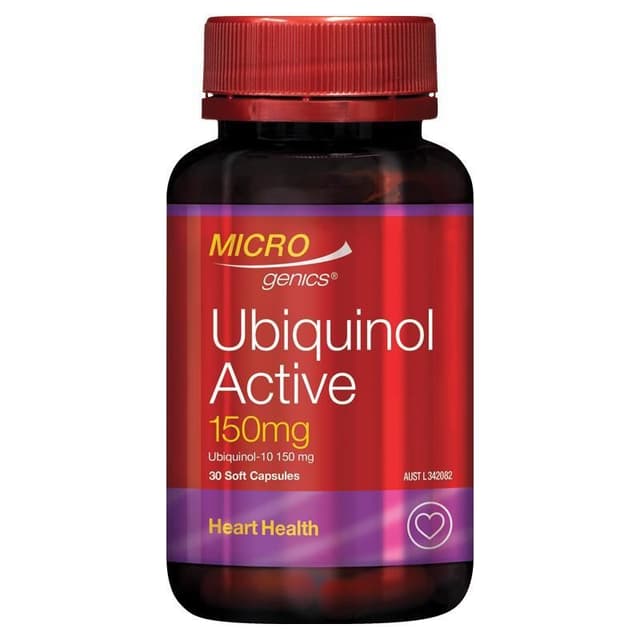
BrandMicrogenics Ubiquinol Active 150mg 30 Soft Capsules

Microgenics Ubiquinol Active 150mg 30 Soft Capsules

Active Ingredient: Ubiquinol-10 150mg Contains no added: Wheat, gluten, dairy products, egg, artificial flavours. Encapsulated in New Zealand from imported ingredients

Unit: 150mg | Pack: Capsule

USD $39.49

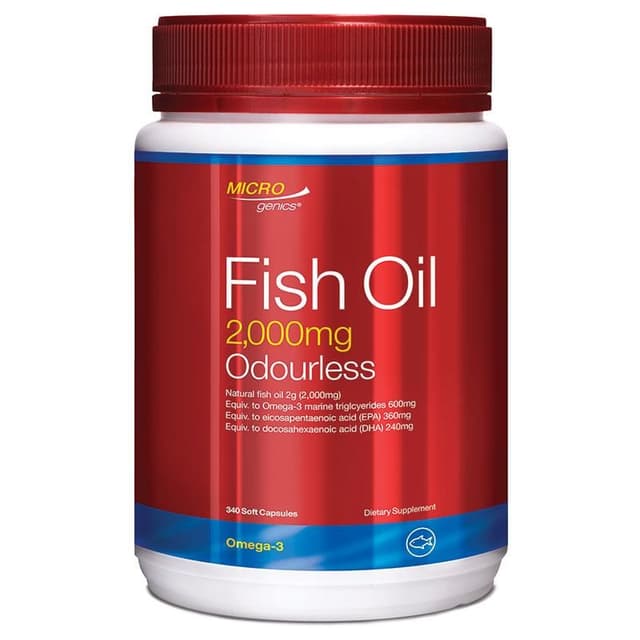
BrandMicrogenics Fish Oil 2000mg Odourless 340 Capsules

Microgenics Fish Oil 2000mg Odourless 340 Capsules

Active Ingredient: Natural fish oil - 2g (2,000mg) Equiv. to Omega-3 marine triglycerides - 600mg Equiv. to eicosapentaenoic acid (EPA) - 360mg Equiv. to docosahexaenoic acid (DHA) - 240mg

Unit: 2000mg | Pack: Capsule

USD $69.99

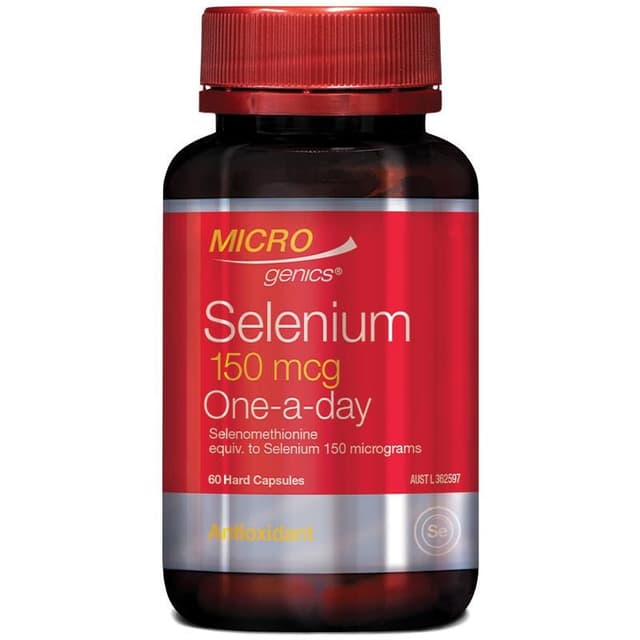
BrandMicrogenics Selenium 150mcg One A Day 60 Capsules

Microgenics Selenium 150mcg One A Day 60 Capsules

Active Ingredient: Selenomethionine 372.6 micrograms Equiv. to Selenium 150 micrograms

Unit: 60 capsules | Pack: Capsule

USD $18.49

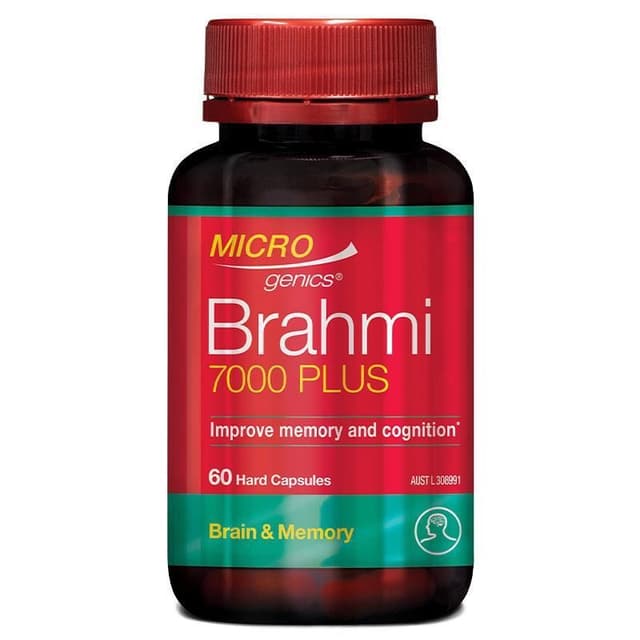
BrandMicrogenics Brahmi 7000 Plus 60 Capsules

Microgenics Brahmi 7000 Plus 60 Capsules

Active Ingredient: Extracts equiv. to dry: Bacopa monnieri (Brahmi) leaf - 7g (7,000mg) Ginkgo biloba (Ginkgo) leaf - 2g (2,000mg) Schisandra chinensis (Schisandra) fruit - 500mg Panax ginseng (Korean ginseng) root - 500mg

Unit: 60 capsules | Pack: Capsule

USD $22.49

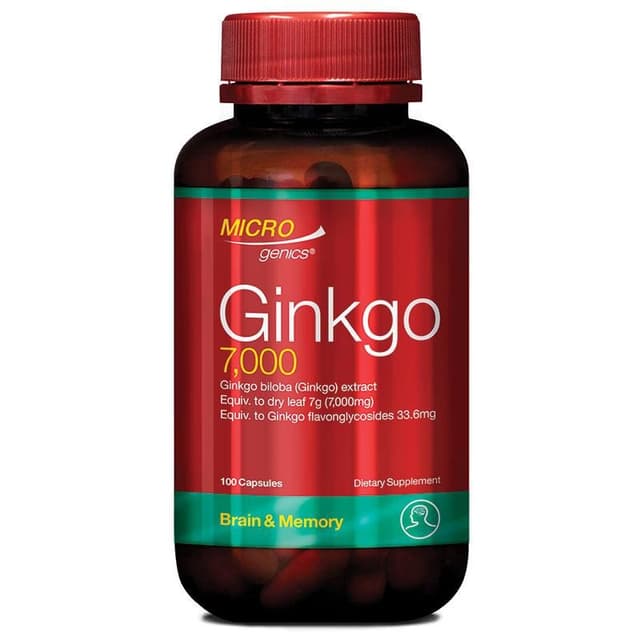
BrandMicrogenics Ginkgo 7000 100 Capsules

Microgenics Ginkgo 7000 100 Capsules

Active Ingredient: Ginkgo biloba (Ginkgo) dry extract Equiv. to dry leaf 7g (7,000mg) Equiv. to Gingko flavonglycosides - 33.6mg

Unit: 100 capsules | Pack: Capsule

USD $21.49

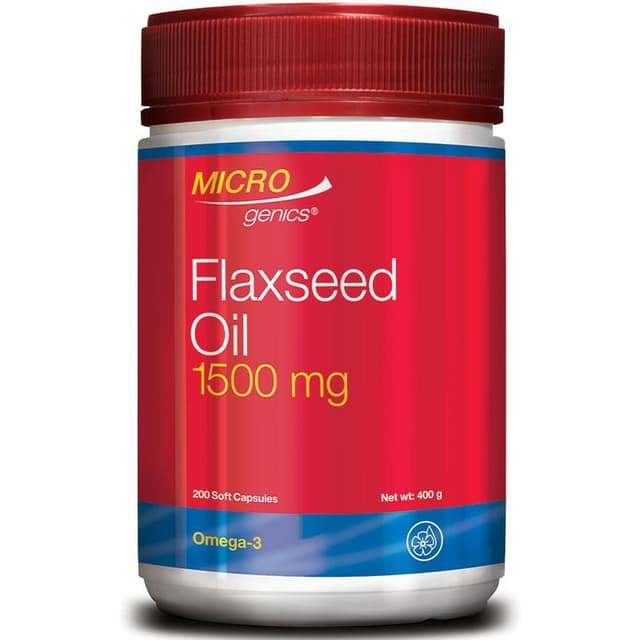
BrandMicrogenics Flaxseed Oil 1500mg 200 Capsules

Microgenics Flaxseed Oil 1500mg 200 Capsules

Active Ingredient: Organic Flaxseed Oil 1.5 g Organic Flaxseed Oil (75%), Gelatin, Glycerol, Water, Colour (Caramel)

Unit: 1500mg | Pack: Capsule

USD $28.99

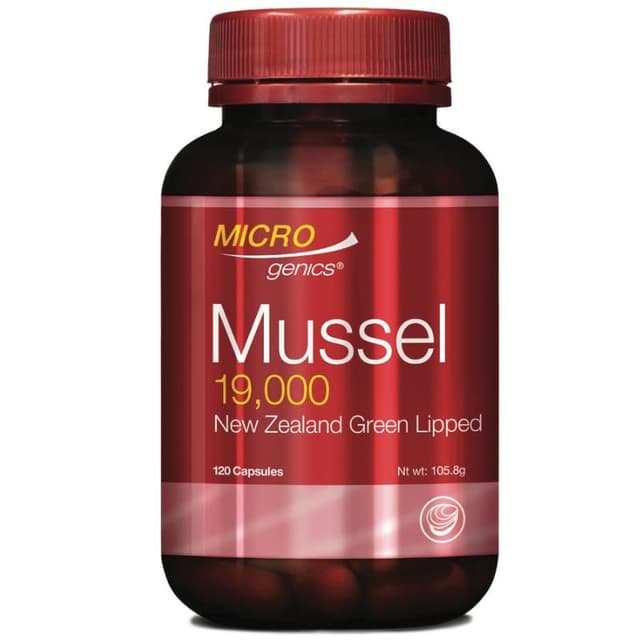
BrandMicrogenics Mussel 19000 New Zealand Green Lipped 120 Capsules

Microgenics Mussel 19000 New Zealand Green Lipped 120 Capsules

Unit: 120 capsules | Pack: Capsule

USD $28.49

BrandMicrogenics Omega 3 Triple Strength Fish Oil 150 Capsules

Microgenics Omega 3 Triple Strength Fish Oil 150 Capsules

Active Ingredient: INGREDIENTS (per capsule) Concentrated Fish Omega-3 Triglycerides 1.55g (1,550mg) Containing Omega-3 marine triglycerides 930mg Equiv. to eicosapentaenoic acid (EPA) 558mg Equiv. to docosahexaenoic acid (DHA) 372mg

Unit: 150 capsules | Pack: Capsule

USD $56.49

More from Coversyl AM

RxGeneric Coversyl AM

Coversyl AM

Active Ingredient: Perindopril/Amlodipine

Unit: 30 | Pack: Other

USD $15.36

Health Guides

Health Guides Related to COVERSYL AM

CBD drug interactions: Prescription Medicines to Check

Nov 07, 2026

CBD drug interactions: Prescription Medicines to Check

CBD can interact with prescription medicines by changing drug breakdown or adding to effects such as drowsiness. Some CBD drug interactions require blood tests or medication adjustments, while others remain theoretical rather than proven in patients. The strongest evidence concerns particular medici

Medication-Related Dry Mouth: Causes and Safe Relief

Nov 06, 2026

Medication-Related Dry Mouth: Causes and Safe Relief

Medication dry mouth happens when a drug reduces saliva production or alters the sensation of moisture. Anticholinergic effects are a common cause, and management usually combines a medication review, moisture replacement and tooth protection. Persistent dryness can make eating or speaking difficult

Blood Pressure Medication Dizziness on Standing

Nov 05, 2026

Blood Pressure Medication Dizziness on Standing

Blood pressure medicines can cause dizziness on standing because they reduce the body's ability to maintain pressure against gravity. The resulting drop can briefly reduce blood flow to the brain, a condition called orthostatic hypotension. Blood pressure medication dizziness often appears after t

Biotin Blood Test Interference: Thyroid and Heart Risks

Nov 04, 2026

Biotin Blood Test Interference: Thyroid and Heart Risks

Biotin supplements can interfere with thyroid and heart blood tests, producing falsely high or unexpectedly low results. This interference affects certain laboratory methods rather than the actual hormone or cardiac-marker concentration being measured. The greatest danger is a falsely low troponin r

ADHD Medication Monitoring: Appetite, Sleep, Blood Pressure

Nov 02, 2026

ADHD Medication Monitoring: Appetite, Sleep, Blood Pressure

ADHD medication monitoring tracks blood pressure, heart rate, body mass, appetite and sleep before treatment, during dose adjustments and throughout long-term care. For adults, NICE recommends pulse and blood pressure checks before and after each dose change, then every six months. The aim is to pre

Baricitinib Safety: Risks, Lab Tests, and When to Call

Nov 01, 2026

Baricitinib Safety: Risks, Lab Tests, and When to Call

Baricitinib safety depends on infection screening, blood tests, and prompt evaluation of new symptoms. The main concerns are serious infections, shingles, blood clots, cancer, and cardiovascular events. Blood counts, liver and kidney function, and cholesterol help guide treatment. Historical rheumat

Medication Redosing After Vomiting: When to Repeat a Dose

Oct 31, 2026

Medication Redosing After Vomiting: When to Repeat a Dose

Whether to repeat a dose of an oral medication depends on the medicine, formulation, and elapsed time. Vomiting within 15 minutes or seeing an intact tablet can justify considering a replacement; after an hour, another dose is usually unnecessary. These are general timing guides, not permission to r

Tacrolimus Monitoring: Why Blood Levels and Timing Matter

Oct 30, 2026

Tacrolimus Monitoring: Why Blood Levels and Timing Matter

Tacrolimus monitoring measures the tacrolimus level in whole blood to help balance organ rejection prevention against drug-related toxic effects. The result is useful only when interpreted against the dose and formulation. A routine trough sample is collected immediately before the next dose, usuall

Lithium Monitoring: Blood Tests and Safety Checks

Oct 28, 2026

Lithium Monitoring: Blood Tests and Safety Checks

Lithium monitoring combines timed blood levels with kidney, thyroid, and calcium tests to keep bipolar treatment effective and reduce toxicity risk. Testing starts before treatment and continues throughout it. Lithium has a narrow therapeutic index, so relatively small changes in blood concentration

BPH Medications: Alpha Blockers vs. 5-ARIs

Oct 27, 2026

BPH Medications: Alpha Blockers vs. 5-ARIs

Benign prostatic hyperplasia (BPH) is a noncancerous enlarged prostate. Alpha blockers ease urinary symptoms by relaxing muscle around the outlet, often within days to weeks. 5-alpha-reductase inhibitors (5-ARIs) shrink the prostate gradually and can reduce the risks of urinary retention and surgery