U.S. Orders: Processing & Shipping as Normal.Read More
Logo
32 people bought recently
Zoom

Femara

Generic
Be the first to write a review
Active ingredient:Letrozole
Femara is a prescription medication primarily used for treating certain types of breast cancer in postmenopausal women. It works by lowering estrogen levels in the body, which helps slow or reverse the growth of hormone-sensitive tumors. Ideal for patients seeking an effective hormonal therapy option, Femara is often prescribed after other treatments have been tried. Always consult a healthcare professional for personalized advice and dosage information.

USD $29.52

1

Compare Medicines With the Same Generic Name

Products matching the full generic name: Letrozole

Share

Active ingredient
Letrozole
Pack Qty
30
Pack Size
Other
Prescription
Required (Rx)
Dispensing Country
IndiaIndia

What is Letrozole?

Letrozole is an oral nonsteroidal aromatase inhibitor primarily used in the management of hormone receptor‑positive breast cancer in postmenopausal women. It works by inhibiting the aromatase enzyme responsible for converting androgens into estrogens, thereby significantly reducing estrogen levels that drive the growth of certain breast cancers.

Reference: U.S. FDA Femara Prescribing Information; PubMed (Lønning & Eikesdal, 2011)


What are the other popular and common names for Letrozole?

Letrozole is most commonly marketed under the brand name Femara®. It is widely recognized in clinical practice and literature by both its generic name (letrozole) and its brand name, Femara.

Reference: MedlinePlus; U.S. FDA


What is the drug classification of Letrozole?

Letrozole is classified as an aromatase inhibitor. It belongs to the group of nonsteroidal aromatase inhibitors used in oncology for the treatment of estrogen‑dependent breast cancers.

Reference: World Health Organization (WHO) Oncology Guidelines; U.S. FDA


What is the mode of action of Letrozole?

Letrozole functions by competitively inhibiting the aromatase enzyme. This inhibition prevents the conversion of androgens (androstenedione and testosterone) into estrogen, leading to lower circulating estrogen levels. The reduced estrogen concentration limits the growth stimulus for estrogen‑dependent tumors.

Reference: PubMed (Lønning & Eikesdal, 2011); U.S. FDA


What are the primary uses of Letrozole?

Letrozole is primarily used for:

  • Advanced or Metastatic Breast Cancer: Treating hormone receptor‑positive breast cancer in postmenopausal women who have progressed on or are intolerant to other therapies.
  • Adjuvant Therapy: Reducing the risk of recurrence in early-stage hormone receptor‑positive breast cancer following surgery.
  • Off‑Label Uses: It is sometimes used off‑label for ovulation induction in women with polycystic ovary syndrome (PCOS) under strict medical supervision.

Reference: U.S. FDA; National Comprehensive Cancer Network (NCCN) Guidelines; WHO


What is the recommended dosage and administration for Letrozole?

  • Dosage for Breast Cancer: The typical dosage is 2.5 mg once daily, taken orally.
  • Administration:
    • Letrozole can be taken with or without food.
    • It should be taken at the same time each day to maintain steady drug levels.
  • Dosage for Ovulation Induction (Off‑Label): The dosing regimen may differ and should be determined by a specialist.

Reference: U.S. FDA Femara Prescribing Information; ClinicalTrials.gov


What prescribing information is important for Letrozole?

  • Indications:
    • Letrozole is indicated for the treatment of hormone receptor‑positive advanced breast cancer and as adjuvant therapy in early breast cancer in postmenopausal women.
  • Contraindications:
    • It is contraindicated in premenopausal women and during pregnancy due to its teratogenic potential.
  • Monitoring:
    • Regular monitoring of liver function, lipid profiles, and bone mineral density (in long‑term therapy) is recommended.
  • Special Considerations:
    • Patients should undergo hormonal receptor testing to confirm estrogen dependence before initiation.

Reference: U.S. FDA Femara Prescribing Information; NCCN Guidelines; WHO


What safety information, side effects, warnings, and cautions are associated with Letrozole?

  • Common Side Effects:
    • Hot flashes, joint pain, fatigue, and nausea.
    • Increased cholesterol levels and risk of osteoporosis with long‑term use.
  • Serious Side Effects:
    • Osteoporosis and bone fractures, especially in long‑term treatment.
    • Hepatotoxicity, although rare, can occur; liver function tests should be monitored.
  • Warnings & Cautions:
    • Bone Health: Long‑term use may lead to decreased bone mineral density. Supplemental calcium and vitamin D may be advised.
    • Cardiovascular Risk: Monitor lipid levels as treatment may lead to hypercholesterolemia.
    • Pregnancy: Letrozole is contraindicated in pregnancy and lactation due to teratogenic effects.
  • Additional Cautions:
    • Avoid use in patients with a history of liver disease unless benefits outweigh risks.

Reference: U.S. FDA; PubMed (Lønning & Eikesdal, 2011); NCCN Guidelines


What drug interactions should be considered with Letrozole?

  • CYP450 Interactions:
    • Letrozole is metabolized by the liver, primarily via CYP3A4. Strong inhibitors (e.g., ketoconazole) or inducers (e.g., rifampin) of CYP3A4 may affect its plasma levels.
  • Other Hormonal Agents:
    • Concomitant use with other hormone therapies should be carefully monitored to avoid additive effects.
  • Bone Health Medications:
    • When used with medications that affect bone metabolism (e.g., corticosteroids), monitor bone density closely.

Reference: U.S. FDA; Clinical Pharmacology Reviews on PubMed


Frequently Asked Questions (FAQs)

Q: How does Letrozole work to treat breast cancer?
A: Letrozole inhibits the aromatase enzyme, reducing estrogen production. Lower estrogen levels decrease the growth stimulus for estrogen‑dependent breast cancer cells, thereby slowing tumor progression.

Q: Is Letrozole used only for breast cancer?
A: Primarily, yes. Letrozole is approved for advanced and early hormone receptor‑positive breast cancer in postmenopausal women. It is also used off‑label for ovulation induction in certain cases.

Q: How soon will I see an effect after starting Letrozole?
A: Some patients may notice a reduction in symptoms such as hot flashes within a few weeks, but the full therapeutic effect on tumor progression is usually evaluated over several months.

Q: What precautions should be taken regarding bone health?
A: Long‑term therapy with letrozole can decrease bone mineral density. Patients may be advised to take calcium and vitamin D supplements and undergo regular bone density monitoring.

Q: Can Letrozole be used during pregnancy?
A: No, letrozole is contraindicated during pregnancy due to its potential to cause fetal harm.

Q: What should I do if I miss a dose?
A: If you miss a dose, take it as soon as you remember. Do not double the dose to catch up. Consistency is key; consult your healthcare provider for any dosing adjustments.

Reference: U.S. FDA Femara Prescribing Information; NCCN Guidelines; PubMed


Where can I find additional clinical evidence and detailed information about Letrozole?

For further details on clinical studies, dosing guidelines, and safety monitoring, please refer to:

  • U.S. Food and Drug Administration (FDA) Website: FDA.gov
  • ClinicalTrials.gov: Search for letrozole studies (e.g., NCT00003250)
  • PubMed: For peer‑reviewed research articles on letrozole in breast cancer (e.g., Lønning & Eikesdal, 2011)
  • World Health Organization (WHO) Guidelines: On hormone therapy in breast cancer
  • National Comprehensive Cancer Network (NCCN) Guidelines: For breast cancer treatment protocols

Reference: U.S. FDA; ClinicalTrials.gov; PubMed; NCCN; WHO


Final Thoughts

Letrozole (Femara®) is a well‑established aromatase inhibitor that plays a critical role in the management of hormone receptor‑positive breast cancer in postmenopausal women. By significantly reducing estrogen production, it helps to slow the growth of estrogen‑dependent tumors and improve patient outcomes. However, due to its potential impact on bone density, lipid profiles, and liver function, careful patient selection and monitoring are essential. Always consult your healthcare provider to ensure that letrozole is the appropriate treatment for your condition and to manage any potential risks or interactions.

Disclaimer: This guide is provided for educational purposes only and should not replace professional medical advice. Always consult with your healthcare provider before initiating or modifying any medication regimen.

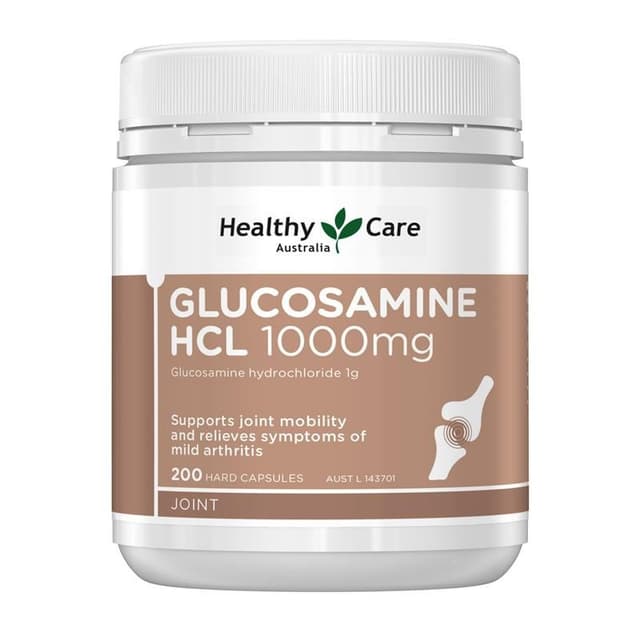
BrandHealthy Care Glucosamine HCL 1000mg 200 Capsules

Healthy Care Glucosamine HCL 1000mg 200 Capsules

Active Ingredient: Contains Crustacean products and Sulfites. Allergen Contains: Crustacean| Sulphites

Unit: 1000mg | Pack: Capsule

USD $25.49

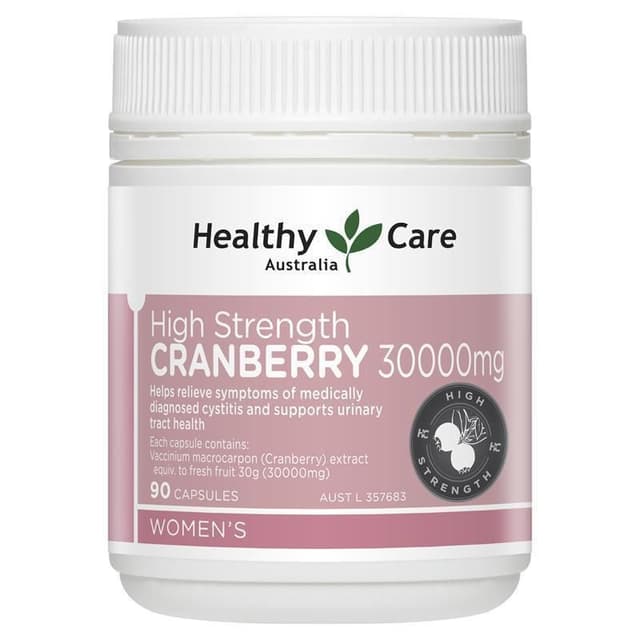
BrandHealthy Care High Strength Cranberry 30000mg 90 Capsules

Healthy Care High Strength Cranberry 30000mg 90 Capsules

Active Ingredient: Vaccinium macrocarpon (Cranberry) extract equiv. to fresh fruit 30g (30000mg)

Unit: 30000mg | Pack: Capsule

USD $19.49

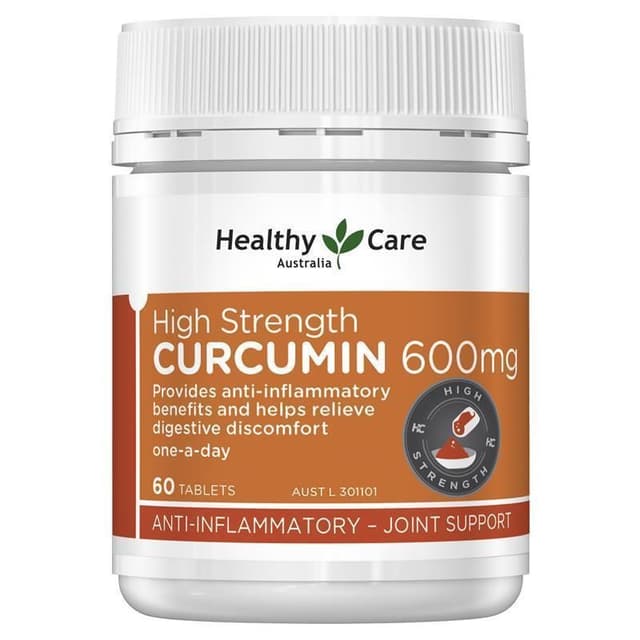
BrandHealthy Care High Strength Curcumin 600mg 60 Tablets

Healthy Care High Strength Curcumin 600mg 60 Tablets

Active Ingredient: Curcuma longa extract 631.6mg equiv. to dry rhiz 15.8g (15800mg), Containing Curcuminoids 600mg, Piper nigrum extract equiv. to dry fruit 140mg, Containing piperine 5mgCurcuma longa extract 631.6mg equiv. to dry rhiz 15.8g (15800mg), Containing Curcuminoi

Unit: 600mg | Pack: Tablet

USD $29.95

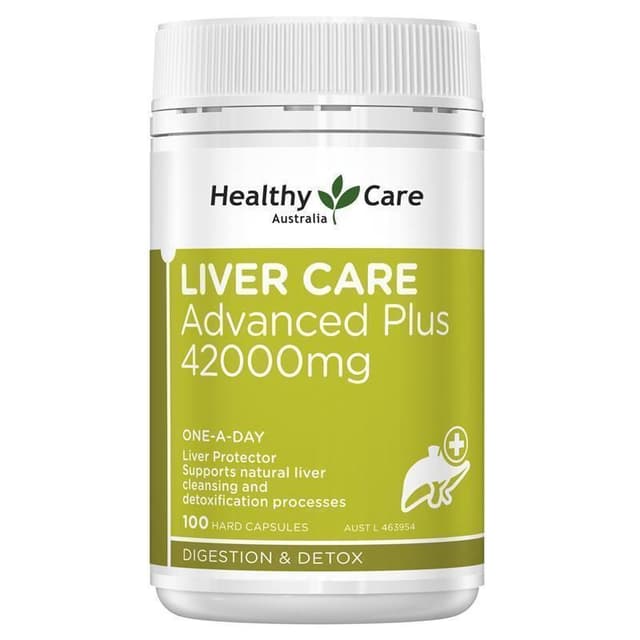
BrandHealthy Care Liver Care Advanced Plus 42000mg 100 Capsules

Healthy Care Liver Care Advanced Plus 42000mg 100 Capsules

Active Ingredient: Silybum marianum (Milk thistle) dry fruit ext. 600 mg equiv. to dry fruit 42g (min) Stand. to contain Silybin 480mg. Cynara scolymus (Globe artichoke) dry leaf ext. 100mg equiv. to dry leaf 1.5g. Taraxacum officinale (Dandelion) dry

Unit: 42000mg | Pack: Capsule

USD $34.49

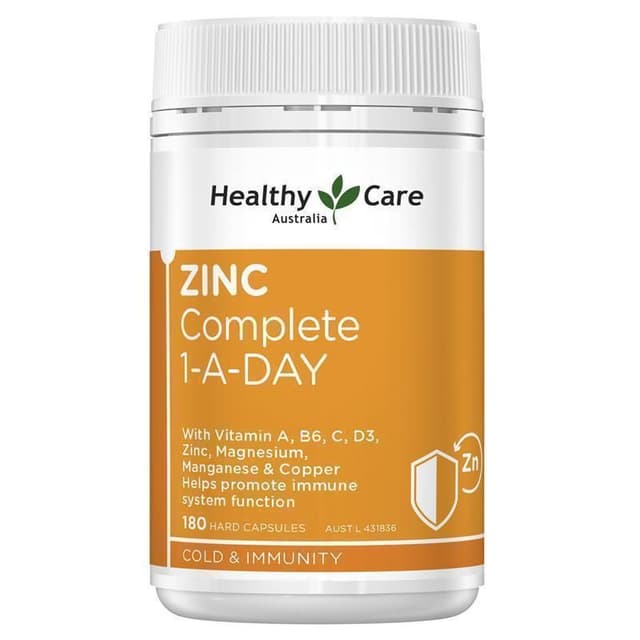
BrandHealthy Care Zinc Complete 1-A-Day 180 Capsules

Healthy Care Zinc Complete 1-A-Day 180 Capsules

Active Ingredient: Zinc amino acid chelate (Zinc 30mg) 150mg Sodium ascorbate (Ascorbic acid (Vitamin C) 50mg) 56.6mg Retinol acetate (Vitamin A 500micrograms retinol equivalents) 573.5micrograms Colecalciferol (Vitamin D3) 10micrograms Pyridoxine hyd

Unit: 180 capsules | Pack: Capsule

USD $18.49

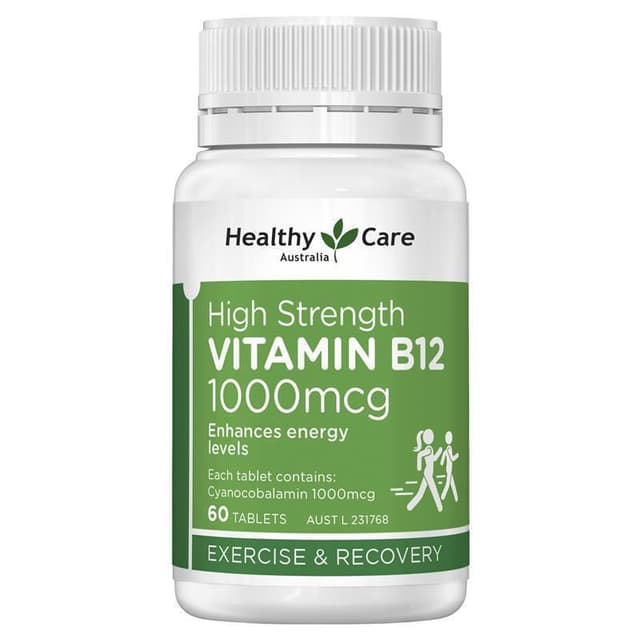
BrandHealthy Care B12 1000mcg 60 Tablets

Healthy Care B12 1000mcg 60 Tablets

Active Ingredient: Cyanocobalamin (Vitamin B12) 1000 micrograms

Unit: 60 tablets | Pack: Tablet

USD $15.49

BrandHealthy Care L-Theanine + Ashwagandha + Magnesium Glycinate 60 Tablets

Healthy Care L-Theanine + Ashwagandha + Magnesium Glycinate 60 Tablets

Active Ingredient: Theanine (AlphaWave®? L-Theanine) 200mg Withania somnifera (Ashwagandha) dry root extract 180mg equiv. to dry root 8.1g Magnesium Glycinate 714.29mg equiv. to Magnesium 100mg

Unit: 60 tablets | Pack: Tablet

USD $35.49

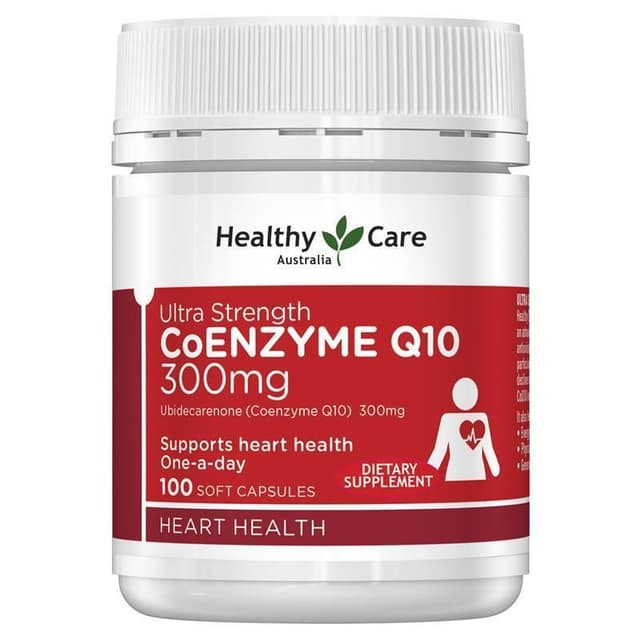
BrandHealthy Care CoQ10 300mg Ultra Strength 100 Capsules

Healthy Care CoQ10 300mg Ultra Strength 100 Capsules

Active Ingredient: Ultra Strength Coenzyme Q10 300mg Ubidecarenone (Coenzyme Q10) 300mg Supports heart health

Unit: 300mg | Pack: Capsule

USD $48.49

Health Guides

Health Guides Related to Femara

CBD drug interactions: Prescription Medicines to Check

Nov 07, 2026

CBD drug interactions: Prescription Medicines to Check

CBD can interact with prescription medicines by changing drug breakdown or adding to effects such as drowsiness. Some CBD drug interactions require blood tests or medication adjustments, while others remain theoretical rather than proven in patients. The strongest evidence concerns particular medici

Blood Pressure Medication Dizziness on Standing

Nov 05, 2026

Blood Pressure Medication Dizziness on Standing

Blood pressure medicines can cause dizziness on standing because they reduce the body's ability to maintain pressure against gravity. The resulting drop can briefly reduce blood flow to the brain, a condition called orthostatic hypotension. Blood pressure medication dizziness often appears after t

ADHD Medication Monitoring: Appetite, Sleep, Blood Pressure

Nov 02, 2026

ADHD Medication Monitoring: Appetite, Sleep, Blood Pressure

ADHD medication monitoring tracks blood pressure, heart rate, body mass, appetite and sleep before treatment, during dose adjustments and throughout long-term care. For adults, NICE recommends pulse and blood pressure checks before and after each dose change, then every six months. The aim is to pre

Baricitinib Safety: Risks, Lab Tests, and When to Call

Nov 01, 2026

Baricitinib Safety: Risks, Lab Tests, and When to Call

Baricitinib safety depends on infection screening, blood tests, and prompt evaluation of new symptoms. The main concerns are serious infections, shingles, blood clots, cancer, and cardiovascular events. Blood counts, liver and kidney function, and cholesterol help guide treatment. Historical rheumat

Medication Redosing After Vomiting: When to Repeat a Dose

Oct 31, 2026

Medication Redosing After Vomiting: When to Repeat a Dose

Whether to repeat a dose of an oral medication depends on the medicine, formulation, and elapsed time. Vomiting within 15 minutes or seeing an intact tablet can justify considering a replacement; after an hour, another dose is usually unnecessary. These are general timing guides, not permission to r

Serotonin Syndrome: Warning Signs and Drug Triggers

Oct 29, 2026

Serotonin Syndrome: Warning Signs and Drug Triggers

Serotonin syndrome is a potentially life-threatening drug reaction caused by excessive serotonin activity. Fever, confusion, and muscle jerking after a medicine change require urgent medical assessment. Symptoms often begin within hours, particularly when medicines with overlapping serotonin effects

BPH Medications: Alpha Blockers vs. 5-ARIs

Oct 27, 2026

BPH Medications: Alpha Blockers vs. 5-ARIs

Benign prostatic hyperplasia (BPH) is a noncancerous enlarged prostate. Alpha blockers ease urinary symptoms by relaxing muscle around the outlet, often within days to weeks. 5-alpha-reductase inhibitors (5-ARIs) shrink the prostate gradually and can reduce the risks of urinary retention and surgery

Amlodipine Ankle Swelling: Causes and When to Call

Oct 26, 2026

Amlodipine Ankle Swelling: Causes and When to Call

Amlodipine widens small arteries more than veins, pushing fluid into surrounding tissues. Ankle swelling is one of the recognized side effects of this medicine. Mild swelling in both ankles is common, but new or worsening symptoms deserve medical review. The key distinction is where the swelling occ

Oral Cancer Medication Safety: Safe Handling at Home

Oct 25, 2026

Oral Cancer Medication Safety: Safe Handling at Home

Oral cancer medication safety depends on following the prescribed schedule, protecting household members from exposure, and reporting symptoms promptly. Tablets should stay intact, caregivers should use disposable gloves, and food or medicine changes need an oncology pharmacist's review. At-home o
Psoriasis Medications: Topical and Systemic Options

Oct 24, 2026

Psoriasis Medications: Topical and Systemic Options

Psoriasis medications reduce inflammation, slow excessive skin-cell growth, and control plaques. They don't cure psoriasis, but effective treatment can substantially reduce symptoms and improve daily life. Treatment in brief: Topical medicines treat affected skin. Oral medicines and injected biolog