Express & Expedited Shipping Service
Browse products alphabetically or search by name.
Health Guides
Nov 24, 2026
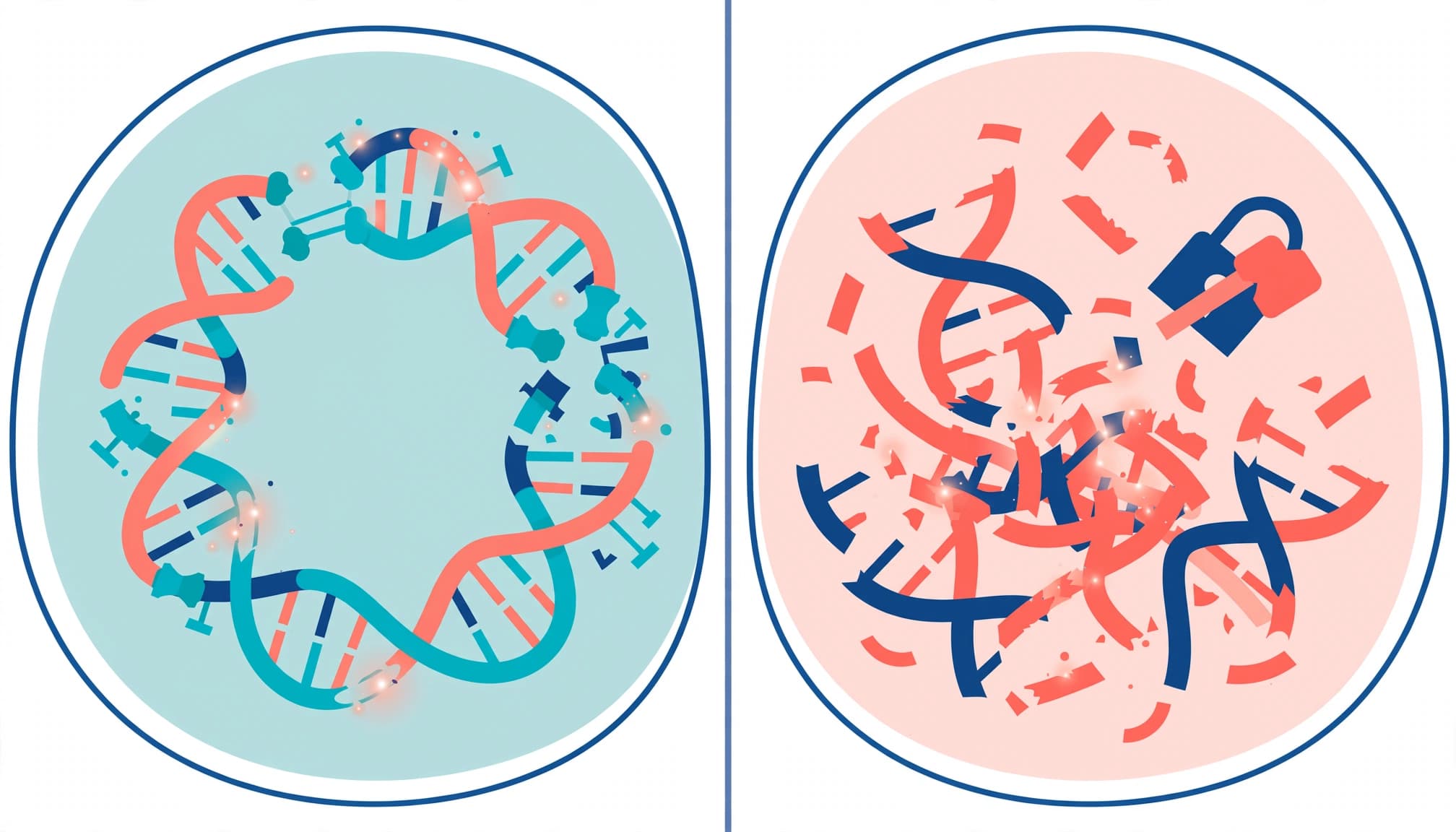
PARP inhibitors are oral medicines and a form of targeted therapy used mainly as maintenance therapy after a response to platinum chemotherapy for ovarian cancer. Tumor genetics, previous treatment, and blood-count recovery help determine who qualifies.\n\nThese medicines can delay cancer progressi
Nov 24, 2026
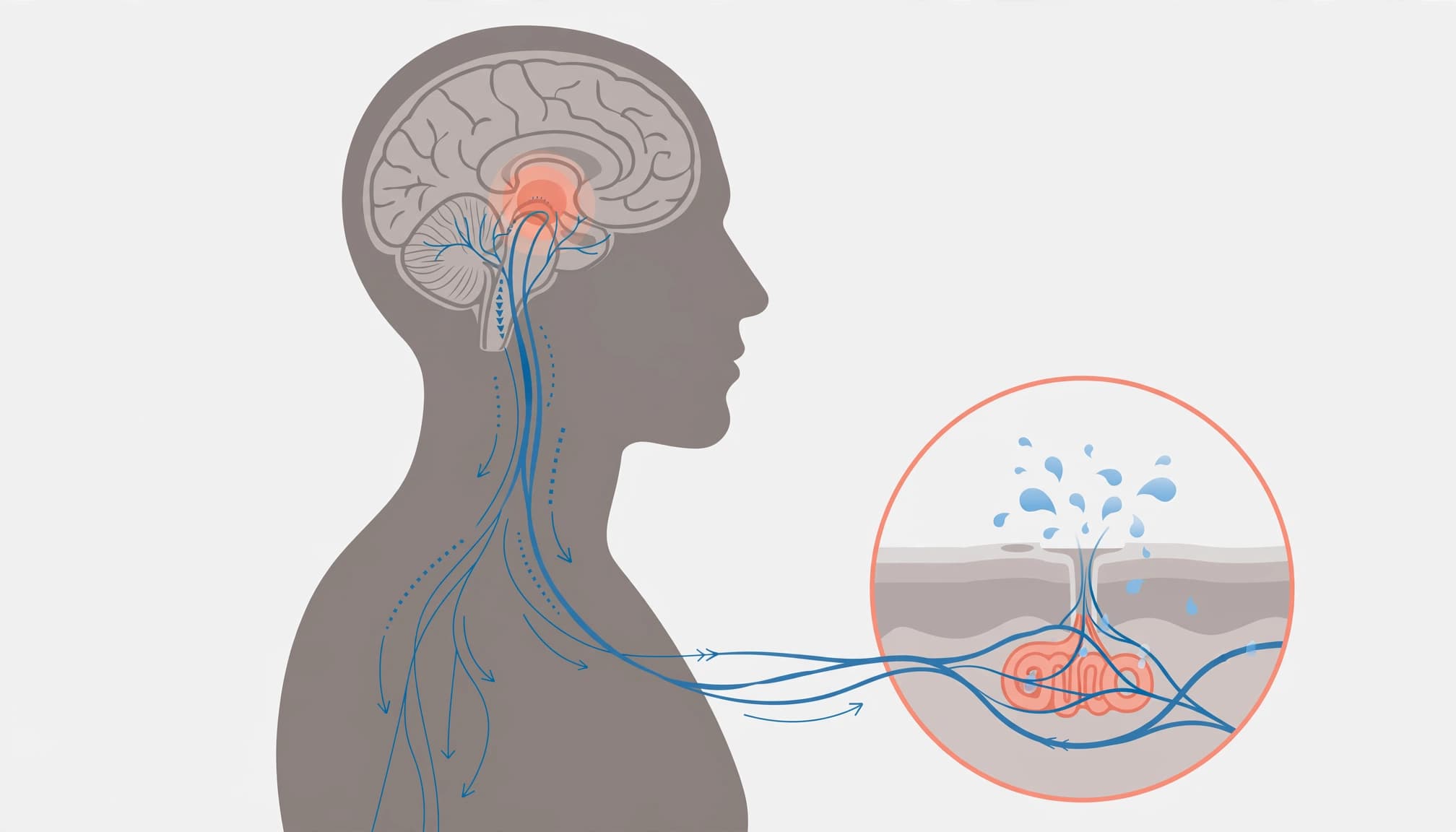
Medication-induced sweating happens when a drug changes the brain's temperature control, stimulates sweat-gland nerves, or triggers another problem, such as low blood sugar. It can affect the whole body or occur during sleep. Although often manageable, new heavy sweating can be a medication side eff
Nov 24, 2026
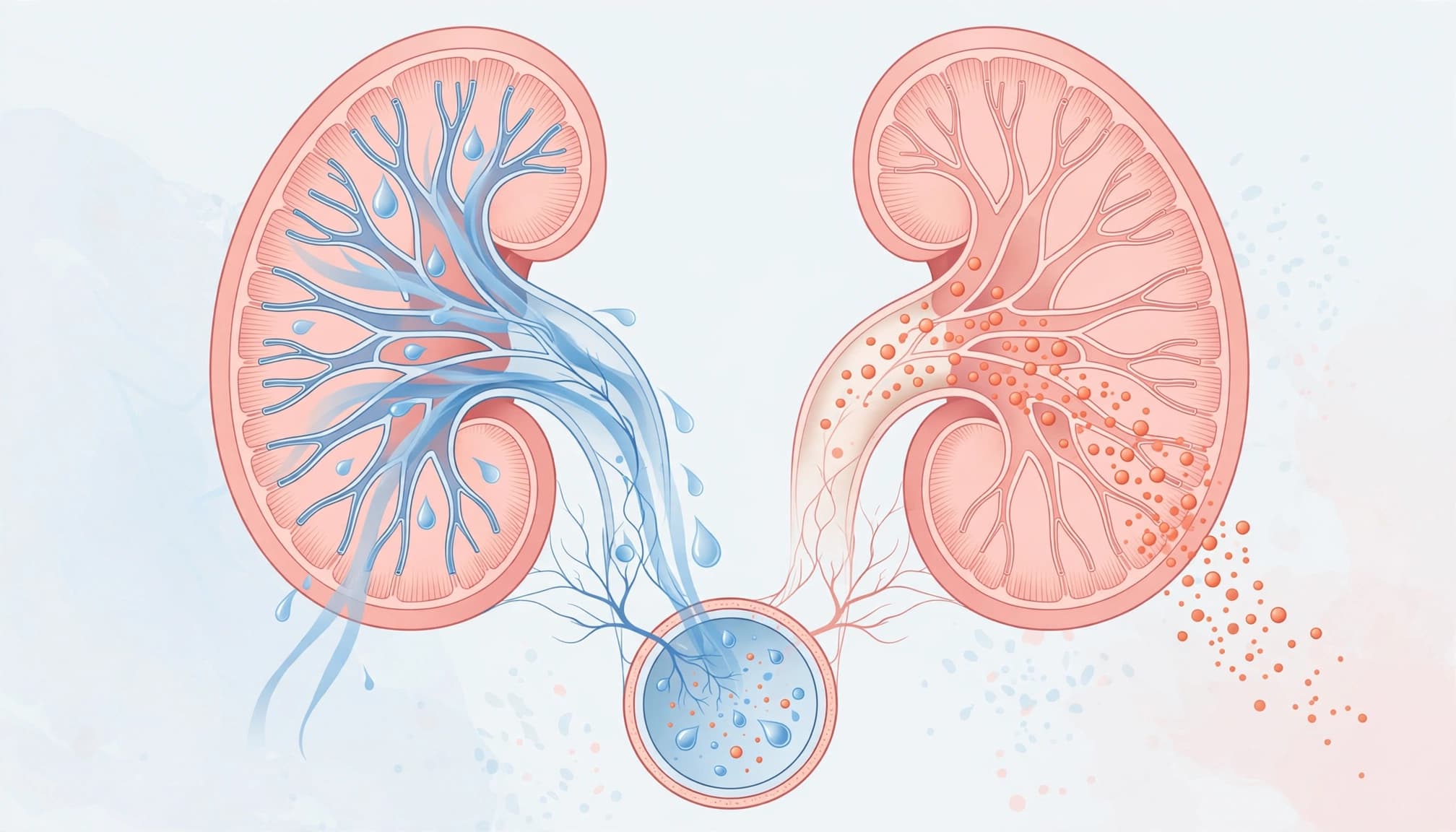
Thiazide diuretics, antidepressants and certain anticonvulsants are among the medications that lower sodium in the blood. They can cause sodium loss, water retention, or both, producing a condition called hyponatremia. The danger depends on how quickly sodium levels fall, alongside the blood-test re

Nov 17, 2026
Medicines that can cause QT prolongation include certain heart-rhythm drugs, antibiotics, antidepressants, antipsychotics, anti-nausea treatments, and methadone. They can delay the heart's electrical recovery between beats and increase the risk of a dangerous rhythm called torsades de pointes. Howev

Nov 16, 2026
The search phrase "blood thinners bruising" reflects a common question. Yes, these medicines can cause larger, darker, or more frequent bruises because clotting takes longer. Mild bruising alone doesn't mean the medicine is too strong or the dose is wrong. Large, unexplained, or spreading bruises

Nov 14, 2026
Yes. Some cold and flu medicines raise blood pressure, particularly those with vessel-constricting ingredients or nonsteroidal anti-inflammatory drugs (NSAIDs). People with severe or uncontrolled hypertension shouldn't take vessel-constricting medicines; controlled blood pressure still warrants a me

Nov 13, 2026
ACE inhibitor cough develops because these medicines slow the breakdown of bradykinin, a substance that can irritate airway nerves. The resulting cough is usually dry and tickly, and it can persist until a prescriber changes the treatment. Medicines such as lisinopril protect the heart, kidneys, o

Nov 12, 2026
Medicines can cause nausea as a side effect, but symptoms beginning during treatment don't prove that a drug caused them. The timing, other symptoms and ability to keep fluids and essential medicines down determine what happens next. Blood in vomit, trouble breathing, collapse or difficulty waking

Nov 10, 2026
Antibiotic-associated diarrhea (AAD) happens when antibiotics disturb protective gut bacteria, change digestion, or allow harmful organisms to multiply. New diarrhea during or after antibiotics warrants clinician contact, especially with three or more watery stools daily, fever, blood, significant p

Nov 08, 2026
Low blood sugar related to diabetes medicine generally means a low blood glucose reading below 70 mg/dL. An alert person who can swallow safely should take 15 grams of fast-acting carbohydrate, wait 15 minutes, then retest and repeat if the reading remains below 70. Call 911 if someone passes out,